Visualizzazione post con etichetta U.S.A.. Mostra tutti i post

martedì 5 giugno 2018

The Good Place

"The Good Place" è una serie televisiva statunitense  del 2016 creata da Mike Schur. E' composta da due stagioni da 13 episodi da 22 minuti ciascuno. Attualmente la terza serie è in corso di produzione.
La serie è ambientata nell'adilà. Eleanor Shellstrop, la protagonista, dopo essere morta, si risveglia nel Posto Buono, una sorta di paradiso. Il problema è che lei non è buona, anzi! In vita è stata una stronza galattica e il suo arrivo in paradiso è stato un errore. Ma Eleanor è decisissima a rimanere dov'è, con l'aiuto dell'anima gemella che le è stata assegnata all'arrivo, Chidi Anagonye, nervosissimo professore di etica.
"The Good Place" è la serie più divertente degli ultimi tempi. L'aldilà che mostra è un posto surreale, con frozen yogurt e case dipinte a pagliacci. I protagonisti, pur rimanendo profondamente umani hanno dei tratti caratterizzanti che li rendono molto buffi e le loro interazioni sono la parte migliore del telefilm,
Consigliatissimo.

"The Good Place" is a 2016 American television series created by Mike Schur. It consists of two seasons of 13 episodes of 22 minutes each. The third series is currently under production.
The series is set in the afterlife. Eleanor Shellstrop, the protagonist, after dying, awakens in the Good Place, a sort of paradise. The problem is that she is not a good person, indeed! During her life, she was a galactic bitch and her arrival in paradise was a mistake. But Eleanor absolutely wants to stay where she is, with the help of the the soul mate assigned to her on her arrival, Chidi Anagonye, a very nervous ethics professor.
"The Good Place" is the funniest I watched lately. The afterlife it shows is a surreal place, with frozen yogurt and clown-painted houses. The protagonists, while remaining deeply human, have characterizing traits that make them hilarious and their interactions are the best part of the show,
Highly recommended.

mercoledì 30 maggio 2018

L'isola dei cani/Isle of Dogs

"L'isola dei cani" (in originale "Isle of Dogs") è un film d'animazione in stop motion uscito nel 2018, scritto, diretto e co-prodotto da Wes Anderson. Il film ha ricevuto vari riconoscimenti.
È ambientato in Giappone in un vicino futuro in cui i cani sono stati colpiti da un'influenza che ha spinto Kobayashi, il sindaco di Megasaki, ad esiliarli su di un'isola al largo della costa su cui vengono scaricati i rifiuti della città. Ma Atari Kobayashi, orfano adottato dal sindaco, è deciso a riprendersi il suo cane Spots e ruba un piccolo aeroplano per raggiungere l'isola.
È un cartone animato molto strano, con scelte decisamente non mainstream come la decisione di fare parlare gli umani in giapponese e i cani in inglese, di avere personaggi esteticamente non molto piacevoli, di unire a momenti di animazione a dir poco perfetta, movimenti più "vintage", a scatti. La ricerca su usi e costumi giapponesi è accuratissima.
La storia si basa su di una finta leggenda giapponese, che fornisce una base di "favola". Si tratta però di una storia di samurai e infatti non mancano momenti di sangue, morte e violenza, anche psicologica. Uno stile molto diverso da quello più diffuso nell'animazione occidentale.
In definitiva è un prodotto tecnicamente stupendo, ma abbastanza bislacco da poter piacere moltissimo o per niente a seconda dei gusti.

"Isle of Dogs" is a stop motion animated film released in 2018, written, directed and co-produced by Wes Anderson. The film received various awards.
It is set in Japan in a near future in which a virus hit the dog population and Kobayashi, the mayor of Megasaki, exiles them on an island off the coast on which the city's waste is dumped. But Atari Kobayashi, an orphan adopted by the mayor, is determined to save his dog Spots and steals a small airplane to reach the island.
It's a very strange film, with decidedly non-mainstream choices such as the decision to make humans speak in Japanese and dogs in English, to have aesthetically not very pleasant characters, to combine moments of perfect animation, to "vintage" twitchy movements. The research into Japanese customs and traditions is very accurate.
The story is based on a fake Japanese legend, which provides a "fairy tale" basis. But it is a story of samurai and in fact there are moments of blood, death and violence, even psychological. A style very different from that of the mainstream Western animation.
Ultimately it is a technically awesom product, but strange enough that you can love or hate it depending on your taste.

mercoledì 3 gennaio 2018

L'Oracolo Nascosto/The Hidden Oracle

"L'Oracolo Nascosto" (The Hidden Oracle) è un romanzo del 2016 dello scrittore statunitense Rick Riordan. Si tratta del primo romanzo di una pentalogia (ancora in corso di scrittura) composta per ora anche da "La Profezia Oscura" (The Dark Prophecy), del 2017.
Riordan è famoso per i suoi romanzi young adult che inseriscono antiche religioni negli U.S.A. di oggi. La sua serie più famosa è quella dedicata agli dei dell'antica Grecia, "Percy Jackson e gli dei dell'Olimpo" (Percy Jackson & the Olympians), che ho recensito qui, seguita da "Gli eroi dell'Olimpo" (The Heroes of Olympus) in cui inserisce anche le  loro controparti romane, che ho recensito qui. Riordan ha scritto anche una serie dedicata agli dei egizi, "The Kane Chronicles", che ho recensito qui, più un crossover fra Olimpo ed egizi, che ho recensito qui.
Di recente si è anche conclusa la trilogia "Magnus Chase e gli Dei di Asgard, dedicata agli dei nordici. Qui ho recensito i primi due libri, "La spada del guerriero" (The Sword of Summer), del 2015 e "Il Martello di Thor" (The Hammer of Thor) del 2016, e qui "La nave degli scomparsi" (The Ship of the Dead).
Questa nuova saga fa parte del filone dedicato agli dei greci e vede protagonista il dio Apollo, punito da Zeus tramite la trasformazione in un mortale, il semidio sedicenne Lester Papadopoulos. Apollo/Lester compare in una discarica, dove incontra la giovanissima semidea Meg, che, da lì in avanti, è costretto a servire finché Zeus non deciderà che si è redento e cancellerà la sua posizione. I due vengono accompagnati da Percy Jackson al Campo Mezzosangue, dove vivono e si allenano i semidei greci. Il misterioso silenzio dell'Oracolo di Delfi e la scomparsa di alcuni semidei potrebbero essere legati alla sorte di Apollo e ad un nuovo pericolo.
I romanzi di Riordan mi piacciono molto, ma la saga sugli dei greci è quella che mi piace meno. Apollo, dio cialtrone, egocentrico e bisessuale è un protagonista divertente, ma il libro sente il peso di tutte le sage precedenti, senza aver letto le quali la storia perde moltissimo, anche perché tornano dei vecchi personaggi che hanno un ruolo rilevante nella trama.
Insomma, non il migliore dell'autore, ma divertente e godibile. Leggerò senz'altro anche il resto della saga.

"The Hidden Oracle" is a 2016 novel by the U.S. author Rick Riordan. It's the first of a penthalogy that at the moment is composed also by "The Dark Prophecy", published in 2017.
Riordan is famous for his young adult novels incorporating ancient religions in the U.S.A.. of today. His most famous series is the one dedicated to the gods of ancient Greece, "Percy Jackson & the Olympians", which I reviewed here, followed by "The Heroes of Olympus", which also includes their Roman counterparts, which I reviewed here. Riordan also wrote a series dedicated to the Egyptian gods, "The Kane Chronicles," which I reviewed here, plus a crossover between the Olympus and the Egyptians, which I reviewed here.
Recently ended the series "Magnus Chase and the Gods of Asgard" dedicated to the Nordic gods. Here I eviewed the first two books"The Sword of Summer", published in 2015 and "The Hammer of Thor", published in 2016, and here "The Ship of the Dead".
This new saga is part of the storyline dedicated to the Greek gods and has a a protagonist the god Apollo, punished by Zeus through his transformation into a mortal, the sixteen year old demigod Lester Papadopoulos. Apollo/Lester appears in a landfill, where he meets the very young half god Meg, who, from then on, he is forced to serve until Zeus decides that he has redeemed himself and will cancel his punishment. The two are accompanied by Percy Jackson to
 Camp
 Half-Blood, where Greek demigods live and train. The mysterious silence of the Oracle of Delphi and the disappearance of some demigods could be linked to the fate of Apollo and to a new danger.
I like Riordan's novels a lot, but the saga about the Greek gods is the one I like least. Apollo, self-centered and bisexual
 god
 is a funny protagonist, but the book feels the weight of all the previous of the saga, and without having read them the story that loses a lot, also because
 come back
 old characters that have an important role in the plot.
In short, it's not the best by the author, but it's fun and enjoyable. I will certainly read the rest of the saga too.

venerdì 22 dicembre 2017

L'uomo nell'alto castello - seconda stagione/The man in the high castle - season 2


Avevo già parlato qui della prima stagione di "The Man in the High Castle", la serie tv statunitense ispirata all'omonimo libro di Philip K. Dick ambientata negli anni '60 negli U.S.A. in una storia parallela in cui Germania e Giappone hanno vinto la seconda guerra mondiale.
Anche la seconda stagione conta 20 episodi di lunghezza compresa fra 48 e 60 minuti.
I personaggi subiscono uno sviluppo marcato, a volte anche radicale, come nel caso di Frank che da ingenuo bonaccione diventa una carogna che se ne infischia degli altri. Tranne quest'ultimo, lo sviluppo dei vari protagonisti è credibile, ma allo stesso tempo sorprendente.
Il ritmo rimane molto alto, con colpi di scena, tensione e parecchia azione, tranne per la parte dedicata a Nobusuke Tagomi, il ministro giapponese del commercio negli Stati Uniti, che è un po' lenta.
Resta alta la suspense per la terza serie, sperando che la qualità rimanga la stessa.

I already spoke about the first season of "The Man in the High Castle", the American TV series inspired by the homonymous book by Philip K. Dick set in the 1960s in the U.S.A. in a parallel history in which Germany and Japan won World War II.
The second season has 20 episodes of length between 48 and 60 minutes too.
The characters undergo a marked development, sometimes even radical, as in the case of Frank who from naive and ggod-natured becomes an ass that does not care about others. Except the latter, the development of the various protagonists is credible, but at the same time surprising.
The pace remains very high, with plot twists, tension and a lot of action, except for the part dedicated to Nobusuke Tagomi, the Japanese minister of commerce in the United States, that is a bit slow.
The suspense for the third series remains high, hoping that the quality remains the same.

giovedì 14 dicembre 2017

Le fantastiche avventure di Kavalier e Clay/The Amazing Adventures of Kavalier & Clay

"Le fantastiche avventure di Kavalier e Clay" (The Amazing Adventures of Kavalier & Clay) è un romanzo del 2000 dello scrittore statunitense Michael Chabon. Ha vinto il premio Pulitzer per la narrativa nel 2001.
Il libro è ambientato a New York (con una puntatina a Praga) prima, durante e dopo la seconda guerra Mondiale. I protagonisti sono due cugini ebrei, Sam Clay, newyorkese poverissimo, e Josef Kavalier, praghese scappato in maniera rocambolesca alle persecuzioni. Con l'arrivo di Josef, ottimo disegnatore, Sam vede l'occasione per sfondare nel mondo del fumetto. Josef invece vede nel fumetto l'occasione per fare soldi in modo da fare scappare negli Stati Uniti il resto della sua famiglia.
Dell'autore avevo già letto "Il sindacato dei poliziotti yiddish" (The Yiddish Policemen's Union), pubblicato nel 2007, una detective story ambientata in un universo alternativo in cui Israele è collassata nel 1948 e gli ebrei europei si sono rifugiati in Alaska, un romanzo pieno di belle idee che però non mi aveva del tutto convinto.
"Le fantastiche avventure di Kavalier e Clay", invece, mi è piaciuto da morire. Sarà perché mi è stato particolarmente facile immedesimarmi in una storia di fumettisti ebrei. Sarà perché fa una comparsa uno dei miei personaggi preferiti della tradizione ebraica, il Golem, e una delle mie città preferite, Praga. Sarà che si parla dell'epoca d'oro del fumetto americano. Sarà che c'è un personaggio omosessuale, come spesso succede nei romanzi di Chabon.
Sta di fatto che la storia ha tutto: mistero, amore, avventura, azione, almeno un paio di pistole di Cechov, suspense.
L'ho trovato un romanzo stupendo, lo consiglio assolutamente.

"The Amazing Adventures of Kavalier & Clay" is a 2000 novel by the American writer Michael Chabon. It won the Pulitzer Prize for fiction in 2001.
The book is set in New York (with a part set in Prague) before, during and after the Second World War. The protagonists are two Jewish cousins, Sam Clay, a very poor New Yorker, and Josef Kavalier, who escaped the persecutions in a way full of adventures. With the arrival of Josef, an excellent artist, Sam sees the opportunity to break into the world of comics. Josef instead sees in the comic world the opportunity to make money to make the rest of his family escape in the United States.
By the author I already read "The Yiddish Policemen's Union", published in 2007, a detective story set in an alternative universe in which Israel collapsed in 1948 and the European Jews took refuge in Alaska, a novel full of good ideas but that didn't convince me completely.
However, I loved "The Amazing Adventures of Kavalier & Clay". It may be because it has been particularly easy for me to identify with a story of Jewish cartoonists. It may be because in the book appears one of my favorite Jewish traditional characters, the Golem, and one of my favorite cities, Prague. It may be because it is set in the golden age of the American comic. It may be because there is a homosexual character, as often happens in the novels by Chabon.
The fact is that this story has everything: mystery, love, adventure, action, at least a couple of Chekhov guns, suspense.
I found it a wonderful novel, I absolutely recommend it.

lunedì 11 dicembre 2017

The beguiled (Thomas P. Cullinan)

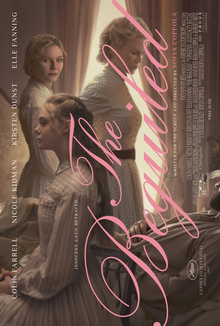
"The Beguiled" è un romanzo del 1966 dello scrittore statunitense Thomas P. Cullinan, da cui sono stati tratti due film con lo stesso nome, uno del 1971 e uno del 2017 (trovate la recensione di quello di Sofia Coppola, uscito quest'anno, qui).
La storia è ambientata durante la guerra civile americana, in Virginia. Una ragazzina trova nel bosco un soldato nordista e lo porta al collegio per fanciulle in cui vive con le poche allieve rimaste e le due insegnanti. Le donne si prendono cura del ferito, ma presto la presenza del nuovo arrivato e le bugie che racconta per ingraziarsele inizia a turbare gli equilibri e a riportare a galla segreti che avrebbero dovuto rimanere sepolti. Quella che sembrava una piccola oasi nella guerra rivela la sua vera natura in un crescendo di rivelazioni sempre più inquietanti in cui nessuno è innocente.
La storia è narrata attraverso i punti di vista inaffidabili delle donne, che rivelano sempre nuovi particolari su loro stesse e l'una sull'altra. In generale adoro l'utilizzo di narratori inaffidabili e in questo contesto diventa una strategia vincente per la costruzione della suspense.
Rispetto al film della Coppola, che ho adorato, si scopre molto di più del background dei personaggi. Grazie a questo ho capito le note discordanti nel comportamento della Edwina del grande schermo: il personaggio della Coppola è una fusione di due del romanzo, Edwina e Miss Harriet. Si rivelano particolari decisamente più morbosi di quello che mi aspettavo, in un crescendo che non permette di staccare gli occhi dalle pagine.
Forse questo libro mi sarebbe piaciuto meno se non avessi visto e amato il film, che mi ha lasciato la voglia di scoprire di più sui personaggi, ma leggendolo subito dopo è stato una rivelazione.

"The Beguiled" is a 1966 novel by the American writer Thomas P. Cullinan, that was adapted in two movies with the same name, one released in 1971 and one in 2017 (you can find my review of the one by Sofia Coppola, of this year, here).
The story is set during the American Civil War, in Virginia. A young girl finds a Northern soldier in the woods and takes him to the college for girls where she lives with the few remaining students and two teachers. The women take care of the wounded, but soon the presence of the newcomer and the lies he tells to ingratiate them begin to disturb the balance between them and to bring back secrets that should have remained buried. What seemed like a small haven of rest in the war reveals its true nature in a crescendo of more and more disturbing revelations in which no one is innocent.
The story is told through the unreliable viewpoints of the women, who every time reveal new details about themselves and each other. In general I love the use of unreliable narrators and in this context it becomes a winning strategy to build the suspense.
Compared to the movie by Coppola, which I loved, in the book you discover much more about the background of the characters. Thanks to this I understood the discordances in the behavior of the Edwina of the big screen: the character by Coppola is a fusion of two characters of the novel, Edwina and Miss Harriet. The details revealed are decidedly more morbid than I expected, in a crescendo that does not allow to take the eyes off the pages.
Perhaps I would have liked this book less if I had not seen and loved the movie, which left me the desire to find out more about the characters, but reading it immediately afterwards, it was a revelation.

venerdì 24 novembre 2017

La nave degli scomparsi/The Ship of the Dead

Finalmente ad ottobre è uscito negli U.S.A. "La nave degli scomparsi" (The Ship of the Dead), l'ultimo romanzo della saga "Magnus Chase e gli Dei di Asgard" (Magnus Chase and the Gods of Asgard) dell'autore statunitense Rick Riordan. Riordan è famoso per i suoi romanzi young adult che inseriscono antiche religioni negli U.S.A. di oggi. La sua serie più famosa è quella dedicata agli dei dell'antica Grecia, "Percy Jackson e gli dei dell'Olimpo" (Percy Jackson & the Olympians), che ho recensito qui, seguita da "Gli eroi dell'Olimpo" (The Heroes of Olympus) in cui inserisce anche le  loro controparti romane, che ho recensito qui. Riordan ha scritto anche una serie dedicata agli dei egizi, "The Kane Chronicles", che ho recensito qui, più un crossover fra Olimpo ed egizi, che ho recensito qui.
Qui avevo già recensito i primi due libri di questa nuova saga dedicata agli dei nordici, "La spada del guerriero" (The Sword of Summer), del 2015 e "Il Martello di Thor" (The Hammer of Thor) del 2016.
Confermo che è la saga dell'autore che ho preferito. Trovo sempre divertentissimo l'umorismo demenziale che è il trademark dell'autore. La trama non è originalissima, non fosse per il modo geniale in cui il protagonista risolve in confronto finale. Ma quello per cui questa saga si distingue dalle altre, anche dalle precedenti di Riordan, sono i personaggi, originalissimi come ideazione (una valchiria musulmana, un nano modaiolo, un elfo sordo e addirittura un personaggio genderfluid), ma anche estremamente umani e credibili.
Mi sono ritrovata a fare il tifo per la coppia principale come un'adolescente in crisi ormonale.
Ormai all'orizzonte nell'universo delle divinità di Riordan si prospetta un mega crossover con la saga di Percy Jackson, la cosa allo stesso tempo mi intriga e mi spaventa.
Intanto mi preparo leggendo la saga destinata al dio Apollo.

Finally in October came out in the US. "The Ship of the Dead", the latest novel by the American author Rick Riordan of the saga "Magnus Chase and the Gods of Asgard". Riordan is famous for his young adult novels incorporating ancient religions in the US. of today. His most famous series is the one dedicated to the gods of ancient Greece, "Percy Jackson & the Olympians", which I reviewed here, followed by "The Heroes of Olympus", which also includes their Roman counterparts, which I reviewed here. Riordan also wrote a series dedicated to the Egyptian gods, "The Kane Chronicles," which I reviewed here, plus a crossover between the Olympus and the Egyptians, which I reviewed here.
Here I already reviewed the first two books of this new saga dedicated to the Nordic gods, "The Sword of Summer", published in 2015 and "The Hammer of Thor", published in 2016.
I confirm that it is the saga of the author I liked most. I always find funny the crazy humor that is the trademark of the author. The plot is not very original, if not for the brilliant way in which the protagonist solves the final match. But what made this saga stand out from the others, even from the earlier ones by Riordan, are the characters who are very original (a Muslim valchiria, a fashion victim dwarf, a deaf elf and even a genderfluid character), but also extremely human and credible.
I found myself shipping the main couple as a teen in full hormonal crisis.
At the horizon of the universe of Riordan's gods, I think there is a mega crossover with the Percy Jackson saga, which at the same time intrigues and frightens me.
Meanwhile, I will get ready reading the saga dedicated to the god Apollo.

giovedì 9 novembre 2017

17 anni (e come uscirne vivi)/The edge of seventeen

"17 anni (e come uscirne vivi)" (The Edge of Seventeen) è un film del 2016 diretto e sceneggiato da Kelly Fremon Craig, di cui è il primo film.
Si tratta del classico racconto di crescita adolescenziale: la protagonista è Nadine, una diciassettenne impopolare, egocentrica e malvestita, in perenne conflitto con il popolarissimo fratello Darian. La sua unica consolazione è la sua migliore amica Krista, ma quando Krista inizia ad uscire con suo fratello, il suo piccolo mondo implode.
La protagonista è talmente concentrata su sé stessa da essere insopportabile, ma l'umorismo della prima parte del film lo rende molto gradevole e piuttosto divertente. La seconda parte, quella in cui la protagonista affronta i suoi problemi, però, diventa lenta e moralista, rendendo il film  banale e anche un po' fastidioso. Forse partivo con aspettative troppo alte ma in definitiva non so se valga la pena vederlo.
L'unica cosa che si salva è la fantastica recitazione di Woody Harrelson.

"The Edge of Seventeen" is a 2016 movie written and directed by Kelly Fremon Craig, of whom is the first film.
It is the classic coming of age story: the protagonist is Nadine, a seventeen-year-old unpopular, egocentric and bad dressed girl, perpetually in conflict with her popular brother Darian. His only consolation is her best friend Krista, but when Krista begins to go out with her brother, her little world implodes.
The protagonist is so focused on herself to become unbearable, but the humor of the first part of the movie makes it very enjoyable and funny. The second part, the one in which the protagonist faces her problems, however, becomes slow and moralistic, making the film banal and also a bit annoying. Maybe I had too high expectations but ultimately I do not know if it's worth seeing it.
The only really good thing about it is Woody Harrelson's fabulous acting.

giovedì 2 novembre 2017

The Man In the High Castle - season 1

"The Man in the High Castle" è una serie tv statunitense del 2015, basata sul romanzo del 1962 di Philip K. Dick "La svastica sul sole". Ha vinto svariati premi.
La serie è ambientata negli U.S.A. in un 1962 in cui Germania e Giappone hanno vinto la seconda guerra mondiale. In questo scenario si muovono i protagonisti: Juliana Crain, una giovane statunitense appassionata di aikido, Frank Frink, un operaio con velleità da artista, Joe Blake, un aspirante membro della Resistenza, John Smith, un gerarca nazista, Nobusuke Tagomi, il ministro giapponese del commercio negli Stati Uniti, e Takeshi Kido, ispettore capo della polizia.
La vicenda parte dal ritrovamento di un film che mostra una realtà parallela, la nostra, in cui le potenze dell'Asse hanno perso la guerra.
Il libro di Dick mi era piaciuto molto, ma ammetto che me lo ricordo solo in parte. In ogni caso la serie se ne distacca in parte.
Questa serie mi ha appassionato terribilmente a partire dalle ambientazioni pazzesche, che sono una sorta di finestra su di un mondo alternativo.
Ho trovato la intricatissima trama appassionante, credibile malgrado tutto. C'è chi l'ha trovata troppo lenta e con vari alti e bassi, ma io no. Gli attori sono bravi, specialmente Cary-Hiroyuki Tagawa.
Notevole anche la sigla, una versione lenta e inquietante di "Edelweiss", la canzone più celebre di "Tutti insieme appassionatamente".
Se come me amate le ucronie ve la consiglio senz'altro.

File:USA in The Man in the High Castle.png
"The Man in the High Castle" is a 2015 US TV series, based on Philip K. Dick's 1962 novel "The Swastika on the Sun". It won several awards.
The series is set in the US in a 1962 where Germany and Japan won the Second World War. In this scenario, the protagonists are Juliana Crain, a young US woman who loves aikido, Frank Frink, a  worker who wants to be an artist, Joe Blake, an aspiring member of the Resistance, John Smith, a Nazi warlord, Nobusuke Tagomi, the Japanese minister of commerce in the United States, and Takeshi Kido, Chief Inspector of the japanese Police.
The story begins with the discovery of a film showing a parallel reality, ours, in which the powers of the Axis lost the war.
I really liked Dick's book, but I admit that I only remember part of it. In any case, the series is partially different.
I was really involved by this series starting with the settings, which are a sort of window on an alternate world.
I found the intricate plot fascinating, credible despite everything. Someone found it too slow and with various ups and downs, but I didn't. The actors are good, especially Cary-Hiroyuki Tagawa.
Also remarkable is the theme, a slow and creepy version of "Edelweiss", the most famous song of "The Sound of Music".
If you like alternate history I will definitely recommend it.

lunedì 30 ottobre 2017

Baywatch

"Baywatch" è un film del 2017 diretto da Seth Gordon, ispirato all'omonima serie tv degli anni '90.
Dal trailer arrogantissimo già si capisce il livello intellettivo del film. Se non si trattasse di un'evidente parodia (che ha gioco facile viste le evidenti falle della serie e l'effetto nostalgia), sarebbe un film bruttino, il classico tette, muscoli, esplosioni e inseguimenti, con una trama risibile in cui bagnini combattono i mercanti di droga e un novellino trova il suo posto nel gruppo.
Il lato parodico è ben fatto e divertentissimo, con sollevamento pesi usando frigoriferi, bagnine che corrono al rallentatore, comparsate dei vecchi protagonisti e molto altro. Il vero difetto del film è che è fin troppo poco e che i momenti migliori sono quelli dei trailer.
La recitazione è perfetta per il genere di film e Zac Efron e The Rock sono una rivelazione nel loro ruolo.
Niente male per saziare voglie d'estate e di trash.

"Baywatch" is a 2017 film directed by Seth Gordon, inspired by the TV series of the same name aired in the 1990s.
From the arrogant trailer you can already understand the intellectual level of the film. If it weren't an obvious parody (which has an easy target in the flaws of the series and the nostalgic effect), it would be a gross movie, the classic tits, muscles, explosions and chases, with a laughable plot in which lifeguards fight drug dealers and a novice find his place in the group.
The parodic side is well done and funny, with weight lifting using refrigerators, sexy female lifeguards running in slow motion, cameos of the old protagonists and much more. The real problem of the film is that the comic parts are too little and that the best moments are those of the trailers.
The acting is perfect for the kind of film and Zac Efron and The Rock are a revelation in their role.
A good film to satiate summer and trash cravings.

venerdì 27 ottobre 2017

So Yesterday (Scott Westerfeld)

newsoyesterday
https://scottwesterfeld.com/blog/category/so-yesterday/
"So Yesterday" è un romanzo del 2004 di Scott Westerfeld, uno dei miei autori di young adult preferiti. E' il suo terzo romanzo e quello che lo ha fatto emergere.
Ha vinto un Victorian Premier's Award ed è anche sulla lista dei migliori young adult della American Library Association. Sono stati venduti i diritti per un film, che però non è ancora stato realizzato.
Il protagonista, il diciassettenne Hunter, è un "cool hunter", un cacciatore di tendenze di New York. Un giorno, durante le sue ricerche, incontra Jen e rimane affascinato dai suoi lacci delle scarpe e da lei, tanto da portarla al focus group del pomeriggio, dove insieme ad altri giovani trendy, ha il compito di analizzare il nuovo spot di una famosa ditta di scarpe. Ma, come Hunter aveva già intuito, Jen non è una semplice trendsetter, è un'Innovatrice e in quanto tale è in grado di vedere particolari che gli altri non vedono. I suoi commenti sullo spot finiscono per coinvolgerli in uno strano mistero...
Ho adorato questo libro sia per com'è scritto, sia per come sviscera il mondo della moda e del cool proponendo soluzioni non banali, sia per gli aneddoti interessanti che fornisce, sia per la psicologia assolutamente credibile del protagonista.
Lo consiglio senz'altro per voi o per eventuali figli, per iniziare a craccare il codice del marketing divertendosi.

"So Yesterday" is a 2004 novel by Scott Westerfeld, one of my favorite young adult authors. It's his third novel and the one that made him famous.
It won a Victorian Premier's Award and is also on the list of the best young adults of the American Library Association. The rights for a movie have been sold, but it has not been made yet.
The protagonist, 17-year-old Hunter, is a cool hunter. One day, during his research, he meets Jen and is fascinated by her shoe laces and her, so he brings her to the afternoon focus group, where along with other trendy youngsters he has to analize the new commercial of a famous shoes company. But, as Hunter had already guessed, Jen is not just a trendsetter, she is an Innovator and as such she is able to see details that others aren't able to see. Her comments on the spot end up involving them in a strange mystery...
I loved this book for its writing style, for the way it draws the world of fashion and cool offering non banal solutions, for the interesting anecdotes it provides and for the absolutely credible psychology of the protagonist.
I would definitely recommend it for you or for your sons, to start cracking the code of marketing while having fun.

mercoledì 25 ottobre 2017

Blade Runner 2049


"Blade Runner 2049" è il sequel del 2017 del famoso "Blade Runner" girato da Ridley Scott nel 1982.
 E' stato sceneggiato da Hampton Fancher e Michael Green e diretto da Denis Villeneuve.
Mentre il primo film è basato, anche se non lo ricalca del tutto, sul romanzo di Philip K. Dick, "Do Androids Dream of Electric Sheep?", questo film mi preoccupava perché se ne distacca completamente.
E' ambientato 50 anni dopo il primo e introdotto da tre corti diffusi su internet prima dell'uscita del film che spiegano il cambiamento avvenuto nel mondo di "Blade Runner": i vecchi modelli di replicanti Nexus, che si erano più volte ribellati, sono stati ritirati dal mercato e il genio miliardario Niander Wallace ha rilasciato un nuovo modello completamente obbediente.
Il protagonista del film, K, è uno dei nuovi replicanti, e fa il Blade Runner, cacciando e uccidendo i pochi rimasti della vecchia serie Nexus e trascorrendo il tempo libero con una fidanzata olografica. Seguendo la pista di uno di questi, però, finisce per trovare traccia di avvenimenti misteriosi avvenuti 50 anni prima e quello che scopre lo caccia in guai grossi.
Nonostante l'assenza di una base dickiana, la storia funziona. Come genere vira più sul giallo-noir del precedente. Il colpo di scena finale a posteriori era facile da capire, ma nessuna delle persone con cui ho parlato l'aveva capito prima. Ci sono elementi dello scenario di storia mondiale in grande mutamento durante il film, che con la sua fine rimangono in sospeso, una cosa che è dispiaciuta a qualcuno, ma è piaciuta a me (sperando che stavolta NON ci sia un seguito, perché, per quanto carino, questo secondo film è comunque inferiore al primo).
Al di là della macrostoria ci sono tanti piccoli tocchi geniali che rendono realistica l'ambientazione, dalla moglie olografica all'orfanotrofio. Molto però si deve ai meravigliosi effetti speciali. Perfino la tecnologia ormai decrepita del primo film viene ripresa e fatta sembrare sensata.
La recitazione è ottima, Ryan Gosling con la sua inespressività è un antroide perfetto,  Harrison Ford, anche con l'interpretazione da vecchio rabbioso che lo contraddistingue negli ultimi anni, fa impennare la qualità del film. Jared Leto, sebbene inquietante, sebbene si sia allenato per il ruolo del miliardario cieco indossando lenti opache, è il personaggio che mi ha convinto meno, troppo troppo filosofico e ponderoso.
Nonostante le enormi aspettative, questo film non mi ha deluso, se non l'avete ancora visto vi consiglio di non lasciarvi fermare dai pregiudizi e di guardarlo.

"Blade Runner 2049" is the 2017 sequel to the famous "Blade Runner" shot by Ridley Scott in 1982.
 It was written by Hampton Fancher and Michael Green and directed by Denis Villeneuve.
While the first film is based, though not entirely, on Philip K. Dick's novel, "Do Androids Dream of Electric Sheep?", this film worried me because it isn't based on a book.
It is set 50 years after the first and introduced by three short films, released on the internet before the film, explaining the change in the world of "Blade Runner": the old models of Nexus replicants, who had repeatedly rebelled, were withdrawn from the market, and the billionaire genius Niander Wallace released a completely obedient model.
The protagonist of the film, K, is one of the new replicators, and is a Blade Runner, who hunts and kill the few remaining Nexus and spends his free time with an holographic girlfriend. Following the tracks of one replicant, however, he ends up finding traces of mysterious events happened 50 years earlier and what he finds gets him in big trouble.
Despite the absence of a Dick base, history works. As for the genre it is more mystery-noir than the previous one. The final twist, looking back, was easy to understand, but none of the people I spoke to had understood it before it happened. There are elements of the world-wide storyline that change a lot during the movie, which, with its end, remain pending, something that was a problem for somebody, but I liked (hoping that this time there is NO follow up because though cute, this second movie was anyway not at the level of the first one).
Beyond the macrostory there are many tiny genial touches that make the setting realistic, from the holographic wife to the orphanage. But much of it is due to the wonderful special effects. Even the decayed technology of the first film is shown and shown as they were sensible.
The acting is great, Ryan Gosling with his inexpressiveness is a perfect replicant, Harrison Ford, again with the old angry man interpretation that characterized him in recent years, makes the quality of the film more intense. Jared Leto, although disturbing, though he trained for the role of the blind billionaire wearing opaque lenses, is the character who convinced me less, too philosophical and ponderous.
Despite the huge expectations, this movie did not disappoint me. If you have not watched it yet, I would advise you not to let  prejudices stop you and to wattch it.

giovedì 12 ottobre 2017

L'inganno/The Beguiled

"L'inganno" (The Beguiled) è un film del 2017 scritto e diretto da Sofia Coppola e ispirato in parte al romanzo del 1966 "A Painted Devil" di Thomas P. Cullinan, e in parte al precedente adattamento cinematografico di Don Siegel, "La notte brava del soldato Jonathan" (The Beguiled), del 1971.
Il film è ambientato nel sud degli U.S.A. durante la  Guerra di Secessione, in un collegio femminile in cui sono rimaste solo 9 donne, comprese la direttrice e la maestra, che conducono una vita quanto più possibile isolata per paura delle violenze della guerra.
Il delicato equilibrio si altera quando una delle ragazze trova un soldato nordista ferito nel bosco e lo porta al collegio per curarlo.
Com'è tipico della Coppola, il focus è un microcosmo femminile claustrofobico. Per effetto dell'intrusione esterna, sotto alla facciata di buone maniere dei personaggi femminili, emerge un'acuta analisi psicologica. I personaggi sono incapsulati nell'oggi, di loro si intuiscono problematiche antecedenti che però non vengono per niente sviluppate. Se da una parte è un peccato, dall'altra aumenta l'alone onirico che avvolge la vicenda.
Il film ha un cast di star: Colin Farrell, Nicole Kidman, Kirsten Dunst, Elle Fanning. La recitazione in generale è ottima (sono riuscita a trovare a tratti sexy perfino Farrel che non è per niente il mio tipo), la Kidman è molto al di sopra delle sue ultime prove che ho visto, ma ho trovato la Dunst (che in genere adoro) meno brava del solito, tanto che le azioni del suo personaggio sul finale non trovano abbastanza giustificazioni rispetto alla sua caratterizzazione precedente.
La fotografia è magnifica, varrebbe la pena vedere il film anche solo per quella: ogni fermo immagine è un quadro, l'uso della luce è pittorico e spettacolare.
Ho adorato anche i costumi, per fortuna è un periodo in cui non ho tempo né soldi, se no mi sarei lanciata a caccia di mussoline bianche sull'onda dell'entusiasmo.
Ho adorato questo film, in particolare per l'empowerment femminile che trasmette (mentre i masculi che erano con me al cinema hanno percepito una sorta di castrazione) e perché l'ho trovato di grande ispirazione a livello artistico. Lo consiglio senz'altro! A questo punto mi è venuta voglia di vedere la versione del 1971 e magari anche di leggere il romanzo.

"The Beguiled" is a 2017 film written and directed by Sofia Coppola and inspired partly by the 1966 novel "A Painted Devil" by Thomas P. Cullinan and partly by Don Siegel's earlier adaptation (The Beguiled) of 1971.
The film is set in the South of the U.S.A. during the Secession War, in a girl's school where remain only 9 women, including the director and the teacher, conducting a life as isolated as possible fearing the violences of the war.
This delicate balance is altered when one of the girls finds a wounded Unionis soldier in the woods and takes him to the college to nurse him.
As is typical of Coppola, the focus is a claustrophobic feminine microcosm. As a result of the external intrusion, beneath the façade of good manners of the female characters, emerges an acute psychological analysis. The characters are encapsulated in the present, so the previous issues that influenced their personality and relations can be percieved, but are not developed at all. While on the one hand it is a pity, on the other it heightens the oniric feel of the story.
The movie has a cast of stars: Colin Farrell, Nicole Kidman, Kirsten Dunst, Elle Fanning. The acting in general is great (at times I found sexy even Farrel who is not my type at all), Kidman is far above the last films I've seen, but I found Dunst (who usually I love) not good as usual, to the point that her character's action in the ending don't find enough justification in her previous characterization.
The photography is magnificent, it would be worth seeing the film just for that: every still image is a painting, the use of light is pictorial and spectacular.
I also fell in love with the costumes, fortunately it is a period I don't have much time or money, if not I would have gone out hunting for white muslin on the wave of enthusiasm.
I loved this movie, especially for the female empowerment it shows (while the males who were with me in the cinema perceived a kind of castration) and because I found it a great artistic inspiration. I would definitely recommend it! At this point I want to see the 1971 version and maybe even read the novel.

giovedì 28 settembre 2017

The Magicians - season 2

The Magicians.JPG


Visto che avevo apprezzato la prima serie di "The Magicians" (che ho recensito qui), non mi sono lasciata scappare la seconda, uscita nel 2017 e sempre costituituita da 13 episodi da 45 minuti ciascuno.
La serie è tratta dalla trilogia fantasy "The Magicians" (2009), "The Magician King" (2011) e "The Magician's Land" (2014) dello scrittore statunitense Lev Grossman (ho recensito il primo romanzo qui, il secondo qui e il terzo qui) che ho adorato.
La trama riprende dal colpo di scena del finale della scorsa stagione ed è ambientata a metà fra la Terra e Fillory. Le strade dei nostri "eroi" si dividono: Quentin è ossessionato da Alice e dalla propria depressione, Julia vuole fermare a tutti i costi il dio che ha evocato ed Elias e Margo rimangono da soli a gestire il regno di Fillory. La serie si chiude con un nuovo colpo di scena.
Dei cambiamenti nei personaggi avevo già parlato nella recensione della prima serie. Ovviamente la seconda segue le basi gettate nella prima.
Ancora una volta, rispetto ai libri, la storia si muove molto più velocemente. Quello che mi ha colpito di più è stato come, pur seguendo altre strade, la serie arrivasse comunque ai nodi si trama dei romanzi.
E ancora una volta, anche per chi non avesse letto gli originali, la storia è perfettamente comprensibile e godibile, e anche se è un po' meno tagliente e anticonformista, risulta comunque estremamente originale nell'ambito dei fantasy "scolastici" alla Harry Potter. Rimane un prodotto maturo, con scene di sesso e violenza anche molto forti (ma mai "troppo", la gente fa sesso vestita e non si versa praticamente sangue).
La seconda serie mi è parsa all'altezza della prima, non superiore e non inferiore. Ora aspetto con ansia la terza!


Since I really liked the first series of "The Magicians" (which I reviewed here), I binge watched the second season, released in 2017 and consisting of 13 episodes of 45 minutes each.
The series is an adaptation of the fantasy trilogy "The Magicians" (2009), "The Magician King" (2011) and "The Magician's Land" (2014) by the american writer Lev Grossman (I reviewed the first novel here, the second here and the third here) wich I really loved.

The plot starts from last season's twist at the ending and is set between Earth and Fillory. The streets of our "heroes" get separated: Quentin is obsessed with Alice and his depression, Julia wants to stop at all costs the god she has evoked, and Elias and Margo remain alone to rule of Fillory. The series closes with a new cliffhanger.
Of the changes in the characters I had already talked in the review of the first series. Obviously the second follows the bases built in the first.
Once again, compared to books, the plot moves much faster. What impressed me most was how, while following other ways, the series came anyway to the plot cored of the novels.
And once again, fthe story is perfectly understandable and enjoyable by the people who haven't read the books too, and although it is a bit less sharp and unconventional than the original, it is still extremely original in the panorama of Harry Potter like "school" fantasy stories. It remains a mature product, with very strong sex and violence scenes (but never too "too much", people have sex while dressed and there virtually isn't any blood).
I think this second series was at the level of the first, not higher and not lower. Now I look anxiously forward to the third!

mercoledì 27 settembre 2017

Brunch da All American Diner (Milano)

Per festeggiare l'inizio di una nuova stagione di gioco di ruolo, io e i miei amici siamo andati a fare un brunch da All American Diner in Via G. B. Cassinis 33, a Milano.
Il ristorante è in stile paninoteca statunitense degli anni '50, con mobilio rosso nero e bianco, foto di Marylin e Audrey, statuette di Betty Boop e camerieri vestiti più o meno in stile.
Il locale è ampio e su due piani, con dei tavoli anche all'esterno. La sala principale è costituita da tavolini affiancati da divanetti, carini, ma assolutamente scomodi per approfittare debitamente del buffet.
La formula brunch è costituita da un piatto principale e dall'accesso illimitato al buffet ed ha un prezzo fisso, stabilito dal piatto. Si può scegliere fra sandwich e insalate a 16€, un piatto a base di uova a 18€, un hamburger con patatine a 20€, carne a 22€. Il menù bambini costa 12€.
Io ho provato il burger alla tartare che come idea era molto affascinante, ma che in realtà non era eccezionale a livello di pane o carne (neanche malvagio eh! Solo mi aspettavo di più). Le patatine erano deliziose, tagliate spesse, croccanti e saporite, ma anche troppo abbondanti.
Nella foto vedete anche la Caesar salad di un mio amico, enorme, servita in una cialda commestibile e ricoperta di bacon.

Il brunch comprendeva moltissimi piatti caldi e freddi: pane, formaggio, tartine, patate, bruschette... c'era anche una sezione dedicata ai dolci con succhi e caffè. In generale i piatti offerti erano piuttosto pesanti. Quelli che mi sono piaciuti di più sono stati il pane con i semi e la torta gastronomica al gorgonzola. I dolci non erano niente male. C'era anche una favolosa postazione per tagliare un prosciutto... ma senza strumenti. Le tartine erano quasi tutte con philadelphia (per cui non vado matta) e dal bacon mi aspettavo qualcosa in più.
E' stata un'esperienza fra l'indigestione e l'insoddisfazione perché l'ho approcciata nella maniera sbagliata. Secondo me avrebbe potuto essere molto migliore a livello sia economico sia mangereccio se:
1- avessi scelto uno dei piatti più economici. Tanto erano enormi e comunque con il buffet mi sarei saziata in abbondanza
2- se non mi fossi abbuffata di pane e tartine. Grave errore, stavo esplodendo.
3- se avessi mangiato il piatto principale prima di servirmi al buffet
4- se avessi bevuto al buffet (succhi e caffè) invece di prendere costosa acqua extra
Ci tornerei? Non vado matta per la cucina statunitense (in effetti non ero stata io a scegliere il locale), ma era tutto piuttosto buono, con qualcosa di interessante. Potrei tornarci a patto di seguire i miei stessi consigli.

lunedì 25 settembre 2017

Ghost in the Shell (film)


"Ghost in the Shell" è l'adattamento statunitense del 2017, diretto da Rupert Sanders, dell'omonimo manga del 1989 di Masamune Shirow, già adattato in precedenza come serie anime e film animato.
Il manga ha un seguito inossidabile di fedelissimi ed era ovvio che il film avrebbe sollevato critiche, a partire dal tanto contestato whitewashing per cui la protagonista, che nell'originale era giapponese, è stata interpretata dalla caucasica Scarlett Johansson (secondo me ottima nella parte).
La storia a grandi linee sembra essere fedele all'originale: Motoko è il primo esperimento riuscito di trasferimento di una coscienza umana in un corpo robotico. In quanto tale è stata assegnata alla Sezione 9 di pubblica sicurezza, gestita da una grande compagnia di robotica, che si occupa di antiterrorismo cibernetico. Uno dei dirigenti della compagnia subisce un grave attacco e Motoko e la sua squadra si trovano ad indagare.
Bisogna dire subito che a livello visivo questo film è stupendo. Perfino i fan più oltranzisti del manga hanno detto che senza audio sarebbe stato perfetto. Al di là della cura nelle ambientazioni e dei bellissimi effetti speciali, vengono riprese pari pari inquadrature del fumetto di Shirow.
La trama è un altro paio di maniche. I miei amici patiti dell'opera originale hanno detto che il messaggio nel film è capovolto. Io conoscevo già "Ghost in the Shell" solo grazie al film e a qualche puntata dell'anime e non mi sento di addentrarmi in complesse teorizzazioni, ma sicuramente la trama nel reboot americano è molto semplificata. Funziona? Secondo me sì. Ai fan del manga verrà un infarto, ma coloro che non lo hanno mai letto possono guardare il film con piacere: la storia è comprensibile, avvincente, ritmo e recitazione sono buoni. Magari rimarranno in mente più le bellissime ambientazioni che la trama, ma, nonostante qualche piccola incongruenza (perché a Batou vengono messi occhi cibernetici grossi ed evidenti quando altri personaggi li hanno che sembrano veri?), il "Ghost in the Shell" del 2017 è senz'altro un buon film, tutt'altra cosa rispetto ad altri adattamenti di manga a stelle e strisce.

"Ghost in the Shell" is the 2017 U.S.A. adaptation, directed by Rupert Sanders, of Masamune Shirow's 1989 manga of the same name, previously adapted as anime series and animated film.
The manga has hardcore fans and it was obvious that the film would raise criticism, starting with the so-called whitewashing as the protagonist, who in the original was Japanese, was interpreted by the Caucasian Scarlett Johansson (who in my opinion was very good in the role).
The story, generally speaking, seems to be true to the original: Motoko is the first successful experiment to transfer human consciousness into a robotic body. As such, she was assigned to Section 9 of Public Security, run by a large robotics company, that deals with cybernetic counterterrorism. One of the company's executives undergoes a serious attack and Motoko and her team are called to investigate.
It must be said at a visual level this film is amazing. Even the most faithful manga fans said that with no audio would be perfect. Beyond the care to the setting and the awesome special effects, there are scenes that are identical to Shirow's comic.
The plot is a horse of a different colour. Some of my friends that are fanatics of the original work said the message in the movie was upside down. I knew "Ghost in the Shell" only from the movie and some anime episodes, so I don't feel like going into complex theories, but surely the plot in the American reboot is very simplified. Does it work? In my opinion, it does. Manga fans will get a heart attack, but people who have never read it can watch this movie with pleasure: the plot is easy o understand, compelling, it has a good rhythm and the actors are good. Perhaps after some time people will remember only the beautiful settings, but in spite of some small inconsistencies (why does Batou get big flashy cybernetic eyes when other characters have real like ones?), the 2017 "Ghost in the Shell" is a good movie, nothing like other Hollywood manga adaptations.

martedì 19 settembre 2017

The Outcasts/Le reiette

"Le reiette" (in originale "The Outcasts") è un film statunitense del 2017 diretto da  Peter Hutchings.
E' la classica commedia scolastica che vede protagoniste le emarginate sociali di un liceo americano, in questo caso Jodi, appassionata di musica, che, insieme all'amica Mindi, appassionata di scienze, viene bullizzata dalla cricca dei più popolari della scuola, capitanata dalla bellissima e biondissima Whitney.
Quando la tregua proposta da Mindi fallisce, le due decidono di ribaltare le gerarchie scolastiche.
La trama è vista e rivista, l'originalità e la simpatia del film stanno nel fatto che la rivolta degli emarginati effettivamente riesca e nelle continue strizzate d'occhio alla cultura nerd (anche solo sulle magliette indossate dal cast).
Naturalmente c'è il classico momento moralista prima dell'ovvia conclusione, ma riesce a non risultare troppo irritante.
La narrazione ha un buon ritmo.
Se vi piace il genere, è una visione simpatica e leggera.
Fra l'altro io ho adorato i vari outfit pseudo-hipster della protagonista.

"The Outcasts" is a 2017 U.S.A. movie directed by Peter Hutchings.
It is the classical school comedy that sees the social outcasts of an American high school, in this case Jodi, who is a music nerd, who, along with her friend Mindi, a science nerd, is bullied by the most popular guys of the school, led by beautiful blond Whitney.
When Mindi's proposal of a truce fails, the two decide to overturn the school hierarchies.
The plot is really banal, the originality and likeableness of the film lays in the fact that the revolt actually succeeds and in the constant quotes of the nerd culture (even on the t-shirts worn by the cast).
Of course there is the classic moralist moment before the obvious conclusion, but it isn't too too annoying.
The narration has a good rhythm.
If you like the genre, it's a nice light film.
Among other things I loved the various pseudo-hipster outfits of the protagonist.

mercoledì 9 agosto 2017

Passenger series (Alexandra Bracken)

La saga "Passenger" è costituita da due romanzi, "Passenger", pubblicato nel 2016, e "Traveller" ("Wayfarer" in originale), pubblicato nel 2017, scritti dalla statunitense Alexandra Bracken.
La protagonista è Henrietta Spencer, una sedicenne di Manhattan che, al suo debutto come violinista professionista, si ritrova all'improvviso scaraventata su di una nave pirata nel XVIII secolo. Lì incontra Nicholas Carter, un giovane che vuole conquistare una vita degna di essere vissuta nonostante sia nato da una schiava.
Da queste premesse si sviluppa una storia d'amore e d'azione, piena di intrighi, che si sviluppa lungo vari luoghi ed epoche grazie all'espediente dei viaggi nel tempo, che mi piace moltissimo. Nella saga i viaggi nel tempo sembrano essere legati più alla magia che alla tecnologia. C'è un vago tentativo di spiegazione scientifica, ma ci sono vari elementi che tendono al soprannaturale.
Ho trovato la narrazione molto avvincente, grazie alla trama intricata (ma coerente) e ai continui cambi di scenario. I personaggi principali sono abbastanza stereotipati, ma interessanti e credibili. Mi è piaciuta la scelta di un protagonista mulatto che viene discriminato per il colore della sua pelle. Altri personaggi, come sono meno realistici, ma nel contesto funzionano. Ho apprezzato l'inserzione di personaggi omosessuali.
L'elemento che ho trovato più debole è stata la scrittura in stile romanzaccio d'amore, pienissima di aggettivi (l'autrice sembra amare moltissimo le metafore basate sulla seta e sul miele). Bisogna però sottolineare che ho letto la saga in italiano, probabilmente in originale è molto migliore.
In conclusione penso che questi romanzi non siano in sé incredibili, ma che sarebbero un'ottima base per una serie tv.

The "Passenger" saga is made of two novels, "Passenger", released in 2016, and "Wayfarer", published in 2017, written by US author Alexandra Bracken.
The protagonist is Henrietta Spencer, a sixteen-year-old Manhattan girl who, at her debut as a professional violinist, suddenly finds herself on a pirate ship in the 18th century. There she meets Nicholas Carter, a young man who wants to conquer a worthy life despite being born form a slave.
From these premises develops a story of love and action, full of intrigues, which evolves along various places and ages thanks to the device of the time travels that I really like. In the saga, time travel seems to be more tied to magic than to technology. There is a vague attempt to give a scientific explanation, but there are various elements that tend to the supernatural.
I found the narrative very enthralling, thanks to the intricate (but consistent) plot and the ever-changing scenarios. The main characters are quite stereotyped, but interesting and credible. I liked the choice of a mulatto protagonist who is discriminated because of the color of his skin. Other characters are less realistic, but work ok in the context. I enjoyed the inclusion of homosexual characters.
The element I found to be weaker the romantic novel-like writing, with many adjectives (the author seems to love metaphors based on silk and honey). But I have to point out that I read the saga in Italian, probably the original is much better.
In conclusion I think these novels are not incredible in themselves, but that they would be a great basis for a TV series.

giovedì 3 agosto 2017

Magnus Chase e gli Dei di Asgard/Magnus Chase and the Gods of Asgard (Rick Riordan)

Magnus Chase and the Gods of Asgard Logo.jpg
"Magnus Chase e gli Dei di Asgard" (Magnus Chase and the Gods of Asgard) è una serie di romanzi dell'autore statunitense Rick Riordan.
Riordan è famoso per i suoi romanzi young adult che inseriscono antiche religioni negli U.S.A. di oggi. La sua serie più famosa è quella dedicata agli dei dell'antica Grecia, "Percy Jackson e gli dei dell'Olimpo" (Percy Jackson & the Olympians), che ho recensito qui, seguita da "Gli eroi dell'Olimpo" (The Heroes of Olympus) in cui inserisce anche le  loro controparti romane, che ho recensito qui. Riordan ha scritto anche una serie dedicata agli dai egizi, "The Kane Chronicles", che ho recensito qui, più un crossover fra Olimpo ed egizi, che ho recensito qui.
"Magnus Chase e gli Dei di Asgard" si colloca sulla stessa linea, questa volta con gli dei nordici. La saga sarà una trilogia. Per ora sono usciti i primi due volumi, "La spada del guerriero" (The Sword of Summer), del 2015 e "Il Martello di Thor" (The Hammer of Thor) del 2016. L'uscita dell'ultimo, "The Ship of Dead", è prevista per ottobre 2017. In aggiunta sarà pubblicato "Il libro segreto", dedicato alla mitologia norrena. 
Il protagonista di questa nuova saga è Magnus Chase, senzatetto di Boston (e cugino di Annabeth Chase della saga degli dei dell'Olimpo: crossover alle porte). Il giorno del suo sedicesimo compleanno scopre di essere il figlio di un dio nordico e si ritrova ad affrontare un gigante di fuoco.
In questa saga Riordan ritorna alla divertentissima comicità demenziale dei primi romanzi per ragazzi. La trama è coerente e fila bene, ma il pezzo forte de "Gli Dei di Asgard" sono alcuni personaggi che sovvertono tutti gli stereotipi: una valchiria musulmana, un nano modaiolo, un elfo sordo e addirittura un personaggio genderfluid.
In più Magnus è un protagonista molto simpatico, che fornisce un punto di vista narrante con cui è facile identificarsi.
Non vedo l'ora di leggere il prossimo! Riordan è sempre una certezza.

"Magnus Chase and the Gods of Asgard" is a series of novels by the US author Rick Riordan.
Riordan is famous for his young adult novels incorporating ancient religions in the US. of today. His most famous series is the one dedicated to the gods of ancient Greece, "Percy Jackson & the Olympians", which I reviewed here, followed by "The Heroes of Olympus", which also includes their Roman counterparts, which I reviewed here. Riordan also wrote a series dedicated to the Egyptian gods, "The Kane Chronicles," which I reviewed here, plus a crossover between the Olympus and the Egyptians, which I reviewed here.
"Magnus Chase and the Gods of Asgard" is based on the same concept, this time with the Northern Gods. The saga will be a trilogy. At the moment only two volumes were publishes, "The Sword of Summer", published in 2015 and "The Hammer of Thor", publishes in 2016. The release of "The Ship Of Dead, is scheduled for October 2017. In addition will be published "The Secret Book", dedicated to Norse mythology.
The protagonist of this new saga is Magnus Chase, a sixteen-year-old homeless boy living in Boston (and cousin of Annabeth Chase of the Olympian gods saga: crossover impending). The day of his sixteenth birthday he discovers he is the son of a Northern god and faces a fire giant.
In this saga, Riordan returns to the super funny absurd humor of the first young adult novels. The plot is consistent and nice, but the masterwork of "The Gods of Asgard" are some characters that overwhelm all the stereotypes: a Muslim Valkyrie, a fashionable dwarf, a deaf elf and even a genderfluid character.
In addition, Magnus is a very nice protagonist who provides a point of view with which it is easy to identify.
I can not wait to read the next novel! Riordan is always a winning choice.

mercoledì 26 luglio 2017

Spider-Man: Homecoming

Finalmente ho visto anch'io "Spider-Man: Homecoming", l'ennesimo reboot di Spider-Man, stavolta in collaborazione fra Sony e Marvel. E' uscito nel 2017 ed è stato diretto e co-sceneggiato da Jon Watts. Fa parte del Marvel Cinematic Universe, e infatti nel film appaiono anche Iron-Man, che ha un ruolo rilevante, e Captain America.
Dopo il suo incontro con gli Avengers il liceale Peter Parker spera di entrare nella squadra e nel frattempo trascura scuola e opportunità mentre sventa i piccoli crimini del quartiere.
Ma così facendo la sua strada si incrocia con quella di un gruppo che vende armi iper-tecnologiche ai criminali, capitanato dall'Avvoltoio.
Il film mischia classici elementi Marvel con la struttura del teen-movie. I personaggi giovani sono abbastanza stereotipati, ma la trama funziona.
Quello che rende speciale questo film è la magnifica performance di un cattivo con cui è difficile non identificarsi (Michael Keaton), che eclissa tutti gli altri personaggi compreso il protagonista.

Finally I saw "Spider-Man: Homecoming", another Spider-Man reboot, that this time isa collaboration between Sony and Marvel. It was released in 2017 and was directed and co-written by Jon Watts. It's part of the Marvel Cinematic Universe, and in fact the movie also features Iron Man, who plays a major role, and Captain America.
After his meeting with the Avengers, the high schooler Peter Parker hopes to enter the team and meanwhile neglects school and opportunities while he fights the small crimes of the neighborhood.
But in doing so his path crosses with that of a group that sells hyper-technological weapons to criminals, led by the Vulture.
The film blends classical Marvel elements with a teen-movie structure. The young characters are pretty stereotyped, but the plot works.
What makes this movie special is the magnificent performance of an antagonist with whom it is really easy to identify (Michael Keaton), who eclipses all the other characters including the protagonist.
Related Posts Plugin for WordPress, Blogger...