Visualizzazione post con etichetta Cassandra Clare. Mostra tutti i post

domenica 15 aprile 2018

Signore delle Ombre/Lord of Shadows (Cassandra Clara)

"Signore delle Ombre" (Lord of Shadows) è un romanzo del 2017 di Cassandra Clare. 
Fa parte dell'universo di The Shadowhunter Chronicles che è composto da romanzi urban fantasy con una forte componente romantica, ambientati in luoghi ed epoche diversi, ma basati sulla stessa premessa, cioè che tutte le leggende sono vere e demoni, licantropi, vampiri, fate e molte altre creature fantastiche si nascondono fra di noi. Per difendere i comuni esseri umani esistono delle persone speciali, gli Shadowhunters, che grazie al loro addestramento, a rune magiche e al loro sangue parzialmente angelico, riescono a vedere e combattere queste creature.
"Signore delle Ombre" è il seguito di "La Signora della Mezzanotte" (che ho recensito qui) e sarà seguito da un terzo libro. La trilogia costituisce la serie "The Dark Artifices", che a sua volta è la quarta serie dell'universo Shadowhunters, dopo "The Infernal Devices" (che ho recensito qui), "The Last Hours" (che deve ancora essere pubblicata) e "The Mortal Instruments" (di cui ho recensito i primi tre libri qui), da cui sono stati tratti anche un film (che ho recensito qui) e una serie tv (che ho recensito qui).
Questa nuova serie è ambientata a Los Angeles 5 anni dopo il sesto e ultimo libro della saga "The Mortal Instruments". La protagonista è Emma Carstairs, che indaga sulla morte dei suoi genitori intanto che il rapporto con Julian Blackthorn, il suo "parabatai", con cui ogni relazione amorosa le è preclusa dalla legge Shadowhunters, diventa sempre più intenso.
In questa secondo romanzo la trama si complica intrecciandosi all'instabile situazione politica in cui tutto il popolo fatato viene vincolato da trattati ingiusti dopo essersi schierato dalla parte sbagliata nell'ultima guerra. A questo si aggiungono le storie di tantissimi personaggi vecchi e nuovi.
Ho fatto davvero fatica a leggere questo secondo libro. Sicuramente la scrittura non è incredibile (e la traduzione è ancora peggio), i personaggi forse sono troppi, alcune situazioni sono davvero ingenue, ma penso che il problema principale del libro sia che trovo insopportabili i protagonisti. La protagonista è una terribile Mary Sue, il protagonista un Marty Stu emo. Invece mi piacciono molto alcuni dei personaggi secondari.
Leggerò anche l'ultimo libro (magari stavolta in inglese che scorre meglio) per completezza e per scoprire il destino dei personaggi che mi stanno simpatici, ma in generale non sono soddisfatta.


"Lord of Shadows" is a 2017 novel by Cassandra Clare.
It is part of the universe of The Shadowhunter Chronicles which is composed of urban fantasy novels with a strong romantic element, set in different places and times, but based on the same premise, that all the legends are true and demons, werewolves, vampires, fairies and many other fantastic creatures lurk among us. To defend the common human beings exist special people, the Shadowhunters, who, thanks to their training, to magic runes and to their partly angelic blood, can see and fight these creatures.
"Lord of the Shadows" is the sequel of "Lady Midnight" (which I reviewed here) and is going to be followed by a third book. This trilogy makes the series "The Dark Artifices", which is the fourth series of the Shadowhunters universe, after "The Infernal Devices" (which I reviewed here), "The Last Hours" (which has yet to be published) and "The Mortal Instruments"  (of which I reviewed the first three books here), which was also adapted into a movie (which I reviewed here) and a TV series (which I reviewed here).
This new series is set in Los Angeles 5 years after the sixth and last book of "The Mortal Instruments". The protagonist is Emma Carstairs, who investigates the death of her parents while her relationship with Julian Blackthorn, her "parabatai", with whom every love affair is precluded by the Shadowhunters law, becomes more and more intense.
In this second novel, the plot becomes complicated intertwining the unstable political situation in which the fairies are bound by unjust treaties after having chosen with the wrong side in the last war. This main plot is enhanched by the stories of many old and new characters.
I really struggled to read this second book. Certainly the writing is not incredible (and the italian translation is even worse), the characters are too many, some situations are really naive, but I think the main problem of the book is that I hate the protagonists. The main character is a terrible Mary Sue, the protagonist is a Marty Stu emo. Instead I really like some of the secondary characters.
I think I will also read the last book (maybe this time in English) for completeness and to discover what will the characters I like do, but in general I am not satisfied.

giovedì 29 marzo 2018

La maschera d'argento/The Silver Mask (Cassandra Clare e Holly Black)

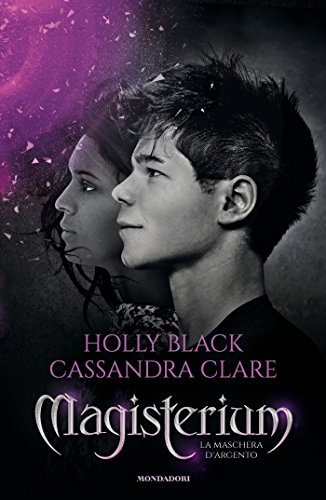
Per il white day la Pelosa Metà mi ha regalato La maschera d'argento (The Silver Mask), il quarto libro di "Magisterium", una serie urban fantasy scritta da Holly Black (famosa soprattutto per "Spiderwick - le cronache" e la trilogia de "La fata delle tenebre") e Cassandra Clare (famosa per la serie "Shadowhunters"). In teoria si tratta di una pentalogia, per cui è il penultimo romanzo della serie. Nel 2014 è uscito, "L'anno di ferro" (trovate la mia recensione qui), nel 2015 "Il guanto di rame" (trovate la mia recensione qui) e nel 2016 "La chiave di bronzo" (trovate la mia recensione qui).
I presupposti di "Magisterium", soprattutto all'inizio, erano molto simili a quelli di Harry Potter. Nel nostro mondo esiste una scuola di magia, il Magisterium, dove va a studiare chi scopre di avere capacità magiche. Il protagonista è Callum Hunt, che da bambino è stato l'unico sopravvissuto ad una delle stragi compiute da un mago malvagio. All'inizio della serie viene ammesso al Magisterium e stringe una forte amicizia con i suoi compagni Aaron e Tamara. Alla fine del primo libro Callum fa una tragica scoperta riguardo alla propria identità che cambia completamente la sua vita.
Durante la serie, le forze del Nemico della Morte, il mago malvagio che ha scatenato l'ultima guerra magica, si sono gradualmente rafforzate e, ne "La maschera d'argento", riescono a rapire Callum, che è costretto a rimettere in discussione i suoi valori e affrontare il suo passato... e i suoi sentimenti.
Sarà perché finalmente viene affrontata la questione centrale su cui si basa la lotta fra "bene" e "male", sarà perché finalmente la sottotrama romantica assume importanza, sarà perché ci sono un paio di colpi di scena belli e non scontati, sarà per il senso dell'umorismo un po' infantile, ma ho divorato pagina dopo pagina.
Certo, ci sono delle ingenuità. I cattivi non sono del tutto convincenti e il colpo di scena finale sembra un po' forzato. In più, di nuovo, non sono affatto convinta della traduzione (continuo a leggere la serie in italiano solo per prestarla a mio marito). Eppure, rispetto al libro precedente, che mi ha quasi annoiato, non c'è paragone. Non vedo l'ora di leggere la conclusione della saga.

For the white day, the Hairy Half gave me "The Silver Mask", the fourth book of "Magisterium", an urban fantasy series written by Holly Black (famous for "Spiderwick - the chronicles" and the "Ironside" trilogy) and Cassandra Clare (best known for the "Shadowhunters"  series). In theory it is a pentalogy, so this is the penultimate novel in the series. The Iron Trial" was realeased in 2014 (you can find my review here), "The Copper Gauntlet" in 2015 (you can find my review here) and "The bronze key" in 2016 (you can find my review here).
The assumptions of "Magisterium", especially at the beginning, were very similar to those of Harry Potter. In our world there is a school of magic, the Magisterium, where people who discovers they have magical abilities go to study. The protagonist is Callum Hunt, who as a child was the only survivor of one of the massacres performed by an evil wizard. At the beginning of the series he was admitted to the Magisterium and made a strong friendship with his schoolmates Aaron and Tamara. At the end of the first book Callum makes a tragic discovery about his identity that completely changes his life.
During the series, the forces of the Enemy of Death, the evil wizard who unleashed the last magical war, gradually strengthen and, in "The Silver Mask", they manage to kidnap Callum, who is forced to question his values ​​and face his past... and his feelings.
It may be because finally the central issue on which the struggle between "good" and "bad" is based is dealt with, it may be because finally the romantic subplot takes importance, it may be because there are a couple of nice and not obvious twists, it may be for the childish sense of humor, but I devoured page after page.
Of course, there are ingenuities. The bad guys are not entirely convincing and the final twist seems a bit forced. In addition, again, I think the italian translation wasn't so good (I continue to read the series in italian just to lend it to my husband). Yet, compared to the previous book, which almost bored me, there is no comparison. I can not wait to read the ending of the saga.

giovedì 22 marzo 2018

Le cronache dell'Accademia Shadowhunters/Tales from the Shadowhunter Academy (Cassandra Clare, etc.)

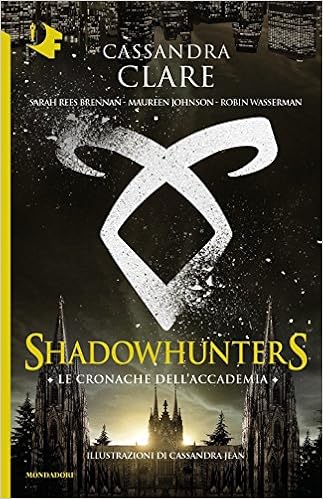
"Le cronache dell'Accademia Shadowhunters" (Tales from the Shadowhunter Academy) è una serie di racconti del 2016 ambientati nell'universo "Shadowhunters" creato da Cassandra Clare ed è uno dei quattro companion book della serie. Le aurici sono la stessa Cassandra Clare, Sarah Rees Brennan, Maureen Johnson e Robin Wasserman.
I racconti vedono protagonista Simon Lewis, uno dei personaggi principali della parte della serie ambientata ai giorni nostri. Dopo gli eventi della guerra contro Valentine, Simon, che ha perso la memoria, tornando ad una specie di punto zero mentre il resto del mondo sembra andato avanti, decide di diventare uno shadowhunter per cercare di recuperare i suoi ricordi e rientrare a fare parte del mondo magico a cui ormai i suoi amici appartengono.
Diventate un cacciatore di demoni però prevede la frequenza dell'Accademia a Idris, il paese degli shadowhunters. L'accademia è mezza diroccata, in pessime condizioni igieniche e serve pessimo cibo. Lì Simon si fa nuovi amici e nuovi nemici, soprattutto fra chi pensa che gli unici veri shadowhunters siano quelli di sangue puro.
All'interno dei racconti, i nuovi personaggi risultano più credibili di quelli vecchi. C'è un buon colpo di scena, ma per il resto il libro si regge tutto su Simon, il protagonista più umano e divertente delle prime saghe.
Lo consiglio ai fan di Simon, gli altri possono passare.

"Tales from the Shadowhunter Academy" is a 2016 series of stories set in the "Shadowhunters" universe created by Cassandra Clare and is one of the four companion boock of the series. THe authors are Cassandra Clare, Sarah Rees Brennan, Maureen Johnson and Robin Wasserman.
The stories feature Simon Lewis, one of the main characters of the part of the series set in our time. After the events of the war against Valentine, Simon, who lost his memory, returning to a kind of zero point while the rest of the world seems to have gone on, decides to become a shadowhunter to try to recover his memory and return to be part of the magical world to which his friends are now belonging.
To become a demon hunter, however, he has to attend the Academy in Idris, the country of the shadowhunters. The academy is half in ruins, has a poor hygiene and serves bad food. There Simon makes new friends and new enemies, especially among those who think that the only true shadowhunters are those of pure blood.
Within the stories, the new characters are more credible than the old ones. There is a good twist, but otherwise the book stands on the character of Simon, the most humorous and entertaining one of the first sagas.
I recommend it to Simon's fans, other people can pass.

venerdì 20 gennaio 2017

Magisterium - La chiave di bronzo/Magisterium - The Bronze Key (Cassandra Clare, Holly Black)

"Magisterium" è una serie urban fantasy scritta da Holly Black (famosa soprattutto per "Spiderwick - le cronache" e la trilogia de "La fata delle tenebre") e Cassandra Clare (famosa per la serie "Shadowhunters"). Per ora sono usciti tre romanzi, ma dovrebbe essere una pentalogia. Nel 2014 è uscito, "L'anno di ferro" (trovate la mia recensione qui), nel 2015 "Il guanto di rame" (trovate la mia recensione qui) e nel 2016 "La chiave di bronzo".
Esiste una scuola di magia, il Magisterium, dove va a studiare chi scopre di avere capacità magiche. Il protagonista, Callum Hunt, che da bambino è stato l'unico sopravvissuto ad una delle stragi compiute da un mago malvagio, nel primo libro viene ammesso al Magisterium e stringe una forte amicizia con i suoi due compagni Aaron e Tamara. Ne "Il guanto di rame" Callum affronta le conseguenze della scoperta fatta alla fine del libro precedente, mettendo alla prova il suo rapporto con il padre e gli amici e imbarcandosi in una missione rischiosissima. Ne "La chiave di bronzo", invece, Callum è minacciato dalla presenza al Magisterium di una spia appartenente alle forze oscure, ma in caso si scoprisse il suo segreto sarebbe in pericolo anche fra i "buoni". Questa tensione spinge lui e i suoi due migliori amici ad imbarcarsi in una serie di missioni pericolose per ottenere informazioni.
La saga partiva da premesse molto simili a quelle di Harry Potter, ma in questo terzo volume le differenze sono più delle somiglianze. La trama non mi ha del tutto convinto: le strategie per ottenere informazioni dei ragazzi mi sono parse molto più pericolose che vantaggiose, al limite della stupidità, per quanto giustificate dalla situazione di tensione e sfiducia. In compenso le autrici hanno avuto il coraggio di un colpo di scena che nemmeno la Rowling ha osato.
I personaggi sono sempre ben caratterizzati, ma ho trovato la loro crescita un po' lenta considerando che in questo terzo libro, pur avendo 14 anni, sono molto simili a com'erano nel primo. Rispetto alla tripletta principale cambiano di più personaggi secondari come Jasper e Clelia. Spero che nel prossimo libro ci sia un' evoluzione più rilevante, cosa che ritengo piuttosto probabile. Un elemento interessante in questo senso è la preparazione all'introduzione di una sottotrama romantica più consistente nel prossimo libro (nel secondo e nel terzo ci sono stati solo accenni).
Il romanzo mi è parso peggio scritto dei precedenti, ma potrebbe essere un problema legato alla versione italiana, visto che il traduttore è cambiato (ho trovato perfino degli errori di linguaggio!). Mi piacerebbe rileggerlo in inglese.
In generale mi sono trovata meno coinvolta dalla storia rispetto ai volumi precedenti e meno ansiosa di scoprire il seguito. L'impressione sarebbe quella di un romanzo di passaggio (visto anche che dovrebbe essere quello mediano della saga), non fosse che i colpi di scena finali (uno abbastanza prevedibile, l'altro più sorprendente) sono rilevantissimi per come la storia proseguirà e tengono vivo il livello di interesse del lettore. Sicuramente leggerò anche i prossimi due volumi, su cui, date le premesse, ho aspettative superiori rispetto a questo.

"Magisterium" is an urban fantasy series written by Holly Black (best known for "The Spiderwick Chronicles" trilogy and "Ironside") and Cassandra Clare (best known for the "Shadowhunters"  series). At the moment there are three novels, but the project is a pentalogy. "The Iron Trial" was realeased in 2014 (you can find my review here), "The Copper Gauntlet" in 2015 (you can find my review here) and "The bronze key" in 2016.
There is a school of magic, the Magisterium, in which people who discover to have magical abilities goes to study. The protagonist, Callum Hunt, who as a child was the only survivor of one of the massacres committed by an evil wizard, in the first book was admitted to the Magisterium, and had formed a strong friendship with his schoolmates Aaron and Tamara. In "The copper Gauntlet" Callum faces the consequences of the discovery he made at the end of the previous book, endangering his relationship with his father and friends and embarking on a risky mission. In "The bronze key" instead, Callum is threatened by the presence of a spy belonging to the dark forces in the Magisterium, but in case his secret is revealed he would be in danger even among the "good guys". This tension pushes him and his two best friends to embark on a series of dangerous missions to get information.
The saga started in a way very similar to Harry Potter, but in this third volume the differences are more than the resemblances. The plot didn't convince me completely: the strategies for obtaining information of the protagonists seemed much more dangerous than beneficial, to the limit of stupidity, though justified by tension and mistrust. On the other side, the authors had the courage of a plot twist that even Rowling didn't dare to write.
The characters are still well characterized, but I found their growth a little slow. Tough in this third book they are 14 years old, they are very much like theyr 12 year old selves. Secondary characters like Jasper and Clelia change more than the main triplet. I hope that in the next book there will be a more significant evolution, which I think is quite likely. An interesting element for this is the preparation for the introduction of a more substantial romantic subplot in the next book (in the second and in the third there were only hints).
I found this novel to be be written worse than the previous ones, but it could be a problem with the Italian version, since there is a new translator (I even found some language errors!). I'd like to read it in English.
In general I found the story less compelling than that of previous volumes and I'm less anxious to find out more. The impression would be that of a novel that is mainly necessary to link the beginning and the ending (also because it's the middle one of the saga), except that the final twists (one fairly predictable, the other more surprising) are very relevant for how the story will continue and keeps alive the interest of the reader. Ill definitely read the next two volumes, about which, given the circumstances, I have higher expectations than about this one.

martedì 25 ottobre 2016

The Eternal Kiss: 13 Vampire Tales of Blood and Desire

Visto che fra poco sarà halloween vi propongo una lettura a tema: "The Eternal Kiss: 13 Vampire Tales of Blood and Desire", un'antologia di storie horror-romantiche a tema vampiri a cura di Trisha Telep.
Per ora non è ancora edita in italiano, ma il livello di inglese è abbastanza semplice e, grazie anche alla divisione in storie brevi, potrebbe essere una buona scusa per provare a leggere in originale.
Ci si potrebbe chiedere perché leggere l'ennesimo libro romantico con protagonisti dei vampiri. Secondo me il vantaggio di questa raccolta è la varietà: si trovano storie tragiche, storie comiche, storie d'azione... Visto che il mercato è saturato da romanzi rosa a base di vampiri, leggere una raccolta di racconti a tema è anche un buon modo per scoprire lo stile di scrittura di autrici del genere per capire quale possa fare al caso proprio. In più ho trovato il livello generale della raccolta abbastanza buono.
Ecco l'elenco dei racconti con le rispettive autrici:
- Falling to ash (Karen Mahoney)
- Shelter Island (Melissa de la Cruz)
- Sword point (Maria V. Snyder)
- Coldest girl in Coldtown (Holly Black)
- Undead is very hot right now (Sarah Rees)
- Kat (Brennan Kelley Armstrong)
- Thirteenth step (Libba Bray)
- All Hallows (Rachel Caine)
- Wet teeth (Cecil Castellucci)
- Other boys (Cassandra Clare)
- Passing (Nancy Holder, Debbie Viguié)
- Ambition (Lili St. Crow)
- All wounds (Dina James)
"Falling to ash", "All Hallows", "Coldest girl in Coldtown", "Passing", "Kat"  sono tutti racconti d'azione con protagonista una ragazza forte e ambientati in un mondo in cui l'esistenza dei vampiri è nota (nel primo e nell'ultimo solo fra gli iniziati, ma comunque la protagonista ne è a conoscenza, mentre in "Passing" è addirittura in corso una guerra fra le due specie). Di questi mi è piaciuto davvero solo "Coldest girl in Coldtown" (sarei anche curiosa di leggere l'omonimo romanzo di Holly Black), però anche "Kat" era interessante per il tipo di amore raccontato e "Passing" era carino fino al colpo di scena finale un po' trash. "Falling to ash" e "All Hallows"mi sono sembrati banali, con tutti i possibili topoi del romanzaccio horror-rosa moderno (eroina fortissima o prescelta, protagonista maschile bellissimo e tormentato, creature sovrannaturali di tutti i tipi...), inoltre più che dei racconti sembravano pezzi ritagliati da un romanzo più lungo. Ho trovato gli stessi problemi in "All wounds", in cui però l'eroina scopre il soprannaturale lungo il corso del racconto e non c'è molta azione.
"Sword point" è un racconto d'azione, incentrato sulla scherma, in cui la protagonista (più realistica delle precedenti) scopre dell'esistenza dei vampiri nel corso della narrazione. Potrebbe avere un seguito, ma funziona anche come racconto singolo.
"Shelter Island" e  "Other boys" sono più simili a racconti romantici-soprannaturali classici, con un'eroina ingenua e poco attiva. "Shelter Island" è carino, anche se dà l'impressione di essere un pezzo di un romanzo, ma "Other boys" ha decisamente una marcia in più, sia per la storia, sia perchè funziona benissimo come racconto singolo.
"Ambition" è incentrato sull'ingiustizia derivata dalle disparità sociali e in realtà i vampiri hanno un ruolo marginale. E' uno dei racconti che mi hanno colpito di più, ma allo stesso tempo non mi ha convinto del tutto.
"Undead is very hot right now" e "Wet teeth" sono particolari all'interno della raccolta perché hanno un protagonista maschile. Nonostante questo sono molto diversi: il primo è un racconto comico divertentissimo su di un vampiro musicista, mentre il secondo, come pure "Thirteenth step", è una storia dalle tinte dark-horror, più simile ai racconti di vampiri di una volta.
Per concludere, ho apprezzato parecchio 6 racconti su 13, non male per una raccolta così varia. Al di là del mio giudizio sui singoli racconti, ho apprezzato la raccolta per il modo in cui gli stessi elementi vengono utilizzati in modi sempre diversi, in modo da non risultare mai noiosi o ripetitivi.

Since in a few days it will be Halloween, I propose a themed reading: "The Eternal Kiss: 13 Vampire Tales of Blood and Desire", an anthology of horror-romantic themed stories with vampires edited by Trisha Telep.
You may be wondering why reading yet another romantic book starring vampires. I think the advantage of this collection is the variety: there are tragic, comic tales, action stories and so on. As the market is saturated with vampire based romance novels, reading a collection of themed stories is also a good way to discover the writing style of authors of the genre to figure out who you may like. In addition, I found the overall level of the collection quite good.
Here is the list of the stories with their authors:
- Falling to ash (Karen Mahoney)
- Shelter Island (Melissa de la Cruz)
- Sword point (Maria V. Snyder)
- Coldest girl in Coldtown (Holly Black)
- Undead is very hot right now (Sarah Rees)
- Kat (Brennan Kelley Armstrong)
- Thirteenth Step (Libba Bray)
- All Hallows (Rachel Caine)
- Wet teeth (Cecil Castellucci)
- Other boys (Cassandra Clare)
- Passing (Nancy Holder, Debbie Viguié)
- Ambition (Lili St. Crow)
- All wounds (Dina James)
"Falling to ash", "All Hallows", "Coldest girl in Coldtown", "Passing", "Kat" are all action stories starring a strong girl and set in a world where the existence of vampires is known (in the first and last only among the initiated, but the protagonists are aware of it, while in "Passing" there is actually a war between the two species). Of these ones I really liked just "Coldest girl in Coldtown" (I'd be also curious to read the novel of the same name by Holly Black), but "Kat" was interesting too because of the kind of love it tells about and "Passing" was quite nice until the final twist that I found a bit trash. "Falling to ash" and "All Hallows" in my opinion were banal, with all the possible traditional themes of modern horror-love novels (an heroine who is insanely strong or the chosen one, a handsome and tormented male protagonist, supernatural creatures of all kinds...), plus they seemed pieces cut from a longer novel. I found the same problems in "All wounds", but in it the heroine discovers the supernatural over the course of the story and there isn't much action.
"Sword Point" is a tale of action, focused on fencing, in which the protagonist (more realistic than the above ones) discovers the existence of vampires over the course of the story. It could have a sequel, but it works as a short story too.
"Shelter Island" and "Other boys" are more classic romantic supernatural stories, with a naive and not very active heroine. "Shelter Island" is nice, even if it gives the impression of being a piece of a longer novel, but "Other boys" is definitely on a higher, both for the story, and because it works really well as a short story.
"Ambition" is focused on the injustice derived from social inequality and actually vampires have a marginal role. It's one of the stories that impressed me the most, but at the same time it didn't convince me enterely.
"Undead is very hot right now" and "Wet teeth" are particular within the collection because they have a male protagonist. Despite this, they are very different: the first is a funny story about a vampire popstar, while the second, as well as "Thirteenth Step", is a dark horror story, more similar to the old gothic vampire novels.
In the end, I appreciated a lot 6 of the 13 stories, not bad for a collection that is so varied. Beyond my judgment on the individual stories, I enjoyed the collection for the way in which the same elements are used in every time in a different way, so that they never became boring or repetitive.

martedì 17 maggio 2016

Shadowhunters: La Signora della Mezzanotte/Shadowhunters: Lady Midnight (Cassendra Clare)

Lady Midnight
"La Signora della Mezzanotte" (Lady Midnight) è il primo romanzo della serie "The Dark Artifices", di Cassandra Clare.
E' la quarta serie dell'universo di The Shadowhunter Chronicles, dopo "The Infernal Devices" (che ho recensito qui), "The Last Hours" (che deve ancora essere pubblicata) e "The Mortal Instruments" (di cui ho recensito i primi tre libri qui), da cui sono stati tratti anche un film (che ho recensito qui) e una serie tv (che ho recensito qui).
Sono tutti romanzi urban fantasy con una forte componente romantica, ambientati in luoghi ed epoche diversi, ma basati sulla stessa premessa, cioè che tutte le leggende sono vere e demoni, licantropi, vampiri, fate e molte altre creature fantastiche si nascondono fra di noi. Per difendere i comuni esseri umani esistono delle persone speciali, gli Shadowhunters, che grazie al loro addestramento, a rune magiche e al loro sangue parzialmente angelico, riescono a vedere e combattere queste creature.
"La Signora della Mezzanotte" è ambientato a Los Angeles e ha per protagonista Emma Carstairs, che avevamo già incontrato dodicenne in "Città del fuoco celeste", il sesto e ultimo libro della saga "The Mortal Instruments". Nella saga precedente Emma aveva perso i genitori, uccisi in un rituale oscuro. La colpa era stata data a Sebastian, il capo dell'esercito nemico, ma lei non era stata convinta da questa teoria.  "La Signora della Mezzanotte" è ambientato 5 anni dopo, nel 2012, quando a Los Angeles avviene una serie di omicidi molto simili a quelli dei suoi genitori. Finalmente per Emma si prospetta l'occasione di portare a termine la sua vendetta. Ma la situazione si complica rapidamente, fra problemi politici con il regno delle Fate, storie d'amore intricate, nuovi amici, nuovi nemici, ritorni inaspettati, problemi di famiglia, ma soprattutto per via del cambiamento del rapporto con Julian Blackthorn, il suo "parabatai".
Come sempre, il punto forte della narrazione sono i personaggi, interessanti, tridimensionali e molto umani. In questo romanzo sono tantissimi e molti probabilmente saranno approfonditi meglio successivamente, ma riescono comunque a far appassionare il lettore alle loro vicende.
La trama non è male, è piuttosto coerente, scorre bene e ha la giusta dose di colpi di scena (anche se non del tutto inaspettati). Mi è piaciuta l'idea di basare la storia sulla poesia Annabel Lee di Poe.
Quello che mi ha deluso è stata la scrittura. In parte potrebbe essere un problema di traduzione (ho letto il romanzo in italiano), ma in generale il romanzo era pieno di descrizioni e similitudini davvero poco utili (bisogna dire ogni volta come sono vestiti tutti i personaggi? E ogni volta che rientrano in una stanza descrivere di nuovo come si arricciano i capelli del tale personaggio e che colore assumano nelle diverse luci?), con un effetto di pesantezza e rallentamento della trama. Addirittura delle volte venivano descritte più volte delle scene già viste dal punto di vista di un altro personaggio o ripetuti allo sfinimento gli stessi concetti. Il libro sarebbe stato decisamente migliore con qualche sforbiciata. Che paghino la Clare a parola?
Nonostante questo, il primo volume di "The Dark Artifices" è riuscito a incuriosirmi e non dubito che leggerò anche gli altri (dico sempre che la Clare scrive maluccio, ma poi mi drogo di qualsiasi suo libro...). I prossimi libri della trilogia saranno "Lord of Shadows", la cui uscita è prevista per l'Aprile 2017 e "The Queen of Air and Darkness".
Se avete apprezzato "The Mortal Instruments" probabilmente vi piacerà anche questo, perché è scritto in maniera simile e ambientato nello stesso periodo storico. Se non avete mai provato nessun romanzo dell'universo Shadowhunters invece vi consiglio "The Infernal Devices", la prima saga in ordine cronologico, che secondo me è anche quella scritta meglio.


"Lady Midnight" is the first novel of "The Dark Artifices" series by Cassandra Clare.
It's the fourth series of The Shadowhunter Chronicles universe, after "The Infernal Devices" (which I reviewed here), "The Last Hours" (which has yet to be published) and "The Mortal Instruments"  (of which I reviewed the first three books here), which was also adapted into a movie (which I reviewed here) and a TV series (which I reviewed here).
They are all urban fantasy novels with a strong romantic element, set in different places and times, but based on the same premise, that all the legends are true and demons, werewolves, vampires, fairies and many other fantastic creatures lurk among us. To defend the common human beings exist special people, the Shadowhunters, who, thanks to their training, to magic runes and to their partly angelic blood, can see and fight these creatures.
"Lady Midnight" is set in Los Angeles and its protagonist is Emma Carstairs, who we already met as a twelve year old girl in "City of Heavenly Fire", the sixth and final book in "The Mortal Instruments" series. In the previous saga Emma's parents were killed in an obscure ritual. The blame was given to Sebastian, the commander of the enemy army, but she had not been convinced by this theory. "Lady Midnight" takes place five years later, in 2012, when in Los Angeles take place a series of murders very similar to those of Emma's parents. Finally she has the opportunity to take revenge. But the situation quickly gets complicated, between political problems with the kingdom of the fairies, intricate love stories, new friends, new enemies, unexpected returns, family problems, but above all because of the changing balance with Julian Blackthorn, Emma's "parabatai".
As always, the strong point of the book are the characters, interesting, three-dimensional and very human. In this novel there are many of them and many are likely to be better deepened later, but they still manage to make the reader get into their story.
The plot is not bad, it is pretty consistent, flows well and has the right amount of twists (though not entirely unexpected). I liked the idea of ​​basing the story on the poem Annabel Lee by Poe.
What disappointed me was the writing. In part it might be a translation problem (I read the novel in Italian), but in general the novel was full of unuseful descriptions and similes (did she really have to destribe every time how all the characters are dressed? And does she have to describe the curls of the hair of the same character and how it looks in the different lights every time he appears in the story?), with an effect of heaviness and slow down of the plot. Several times some scenes that have already been described were described again from another character's point of view and the same concepts repeated to exhaustion. The book would have been much better with some cuts. Is Clare paid per word?
Despite this, the first volume of "The Dark Artifices" managed to intrigue me and I have no doubt that I will read the next ones (I always say that Clare's writing isn't so good, but I read all her book like an addicted anyway ...). The next books in the trilogy will be "Lord of Shadows", that is going to be released in April 2017, and "The Queen of Air and Darkness".
If you liked "The Mortal Instruments" you'll probably like this novel too, because it is written in a similar manner and is set in the same historical period. If you have never tried any book of the Shadowhunters universe instead I recommend "The Infernal Devices", the first saga in chronological order, and in my opinion also the better written one.

lunedì 4 aprile 2016

Magisterium - Il guanto di rame/Magisterium - The Copper Gauntlet (Cassandra Clare, Holly Black)

"Magisterium" è una serie urban fantasy scritta da Holly Black (famosa soprattutto per "Spiderwick - le cronache" e la trilogia de "La fata delle tenebre") e Cassandra Clare (famosa per la serie "Shadowhunters"). Nel 2014 è uscito, "L'anno di ferro", il primo libro di quella che sarà una pentalogia (trovate la mia recensione qui).
Esiste una scuola di magia, il Magisterium, dove va a studiare chi scopre di avere capacità magiche. Il protagonista, Callum Hunt, che da bambino è stato l'unico sopravvissuto ad una delle stragi compiute da un mago malvagio, nello scorso libro era stato ammesso al Magisterium e aveva stretto una forte amicizia con i suoi due compagni Aaron e Tamara. In "Il guanto di rame" Callum dovrà affrontare le conseguenze della scoperta fatta alla fine del libro precedente, mettendo alla prova il suo rapporto con il padre e gli amici e imbarcandosi in una missione rischiosissima.
Le autrici hanno detto di aver voluto costruire una storia basandosi sugli stereotipi del fantasy. Già dal primo libro mi era parso che la storia prendesse spunto soprattutto da Harry Potter. C'erano vari indizi: il protagonista unico sopravvissuto ad una strage commessa da un mago malvagio, la scuola di magia, la coppia di amici composta da un ragazzo e una ragazza, e in questo volume anche la fuga da casa e il viaggio in macchina. Nonostante le somiglianze però, le autrici riescono a differenziare personaggi e ambientazioni abbastanza da rendere i romanzi interessanti anche per i fan della saga della Rowling, e anzi, ribaltano le aspettative con dei colpi di scena davvero geniali. Questo secondo volume si differenzia ancora di più, e la trama decolla partendo dallo spettacolare finale della prima saga. Anche se la vicenda ha una conclusione, si ha l'impressione che il secondo sia un libro di passaggio e che il meglio debba ancora venire. Non vedo l'ora di leggere il terzo!
Anche in questo secondo capitolo la scrittura è di buon livello, i personaggi sono ben caratterizzati e funzionano, ma soprattutto la storia è davvero avvincente. 
Ancora una volta (ma con più cognizione di causa, visto che ormai siamo al secondo libro) consiglio questa saga ai fan di Harry Potter, a chi ama le due autrici, agli appassionati di urban fantasy (soprattutto scolastici), ma anche a chi non avesse mai letto niente del genere e soprattutto ai dodici- tredicenni di oggi che hanno l'occasione di seguire una saga che cresce con loro come per noi è stata quella di Harry Potter.

"Magisterium" is an urban fantasy series written by Holly Black (best known for "The Spiderwick Chronicles" trilogy and "Ironside") and Cassandra Clare (best known for the "Shadowhunters"  series). "The Iron Trial", the first book of what will be a pentalogy was realeased in 2014 (you can find my review here).
There is a school of magic, the Magisterium, in which people who discover to have magical abilities goes to study. The protagonist, Callum Hunt, who as a child was the only survivor of one of the massacres committed by an evil wizard, in the last book was admitted to the Magisterium, and had formed a strong friendship with his two schoolmates Aaron and Tamara. In "The copper Gauntlet" Callum faces the consequences of the discovery made at the end of the previous book, endangering his relationship with his father and friends and embarking on a risky mission.
The authors said they wanted to build a story based on fantasy stereotypes. From the first book I guessed that the story took its main inspiration from Harry Potter. There were several clues: the protagonist is the only survivor of a massacre committed by an evil wizard, the school of magic, the pair of friends consisting of a boy and a girl, and in this volume also the running away from home and the travel by car. Despite the similarities, however, the authors were able to differentiate the characters and environments enough to make these novels interesting even for fans of Rowling's saga, and indeed, overturned the expectations with some really clever twists. This second volume differs even more, and the plot takes off starting from the spectacular ending of the first series. Although the story has a conclusion, I had the impression that the second is a transition book and that the best is yet to come. I'm looking forward to reading the third!
The writing is good, the characters are well characterized and work, but above all the story is really compelling in this second chapter too.

Once again (but with more knowledge of the facts, now that I read the second book) I recommend this saga to Harry Potter fans, to people who love the two authors, urban fantasy (especially set in schools) but also who had never read anything like this and especially to today's twelve-thirteen year olds who have the opportunity to follow a saga that grows up with them as Harry Potter was for us.

lunedì 26 ottobre 2015

Shadowhunters: Le Origini/The Infernal Devices

Qualche tempo fa vi avevo parlato della prima trilogia degli Shadowhunters, di Cassandra Clare. Si tratta di una serie urban fantasy romantica con protagonisti dei teenager, che si svolge a New York ai giorni nostri. Quando l'ho letta sono rimasta perplessa sulla scrittura e sull'originalità della trama, ma mio malgrado sono rimasta affascinata dai personaggi e mi ci sono appassionata, leggendo di un fiato anche la seconda serie, che è il seguito della prima. Al di là di ogni razionalità l'insieme dei sei libri mi è piaciuto moltissimo, così, appena ho potuto mettere le mani sulla trilogia "Shadowhunters: Le Origini" non mi sono lasciata sfuggire l'occasione.
Le premesse dell'ambientazione sono le stesse: tutte le leggende sono vere e demoni, licantropi, vampiri, fate e molte altre creature fantastiche si nascondono fra di noi. Per difendere i comuni esseri umani esistono delle persone speciali, gli Shadowhunters, che grazie al loro addestramento, a rune magiche e al loro sangue parzialmente angelico, riescono a vedere e combattere queste creature.
Il titolo italiano "Le origini" è fuorviante: non si parla delle origini degli Shadowhunters e non si tratta di un vero e proprio prequel alle altre due trilogie, è una storia a parte, anche se si ricollega ad un avvenimento dell'ultimo libro e averle lette aiuta a capire l'epilogo e permette di godere alcuni particolari della storia (peraltro i personaggi di questa serie sono antenati di alcuni delle altre trilogie).
La vicenda è ambientata a fine 1800, in una Londra piena di fumo in cui piove sempre. La protagonista è Tessa Grey, una sedicenne di New York che si trasferisce nella capitale inglese dopo la morte della zia, per raggiungere suo fratello Nate, l'unica famiglia che le è rimasta. Ma all'arrivo, invece di Nate, trova due inquietanti signore che dicono di essere state mandate a prenderla. La strada di Tessa si incrocerà con quella degli shadowhunters, in particolare di Will e Jem, migliori amici diversissimi fra loro, ma entrambi estremamente affascinanti, e con quella di un esercito di robot assassini.
Si sente che questi tre libri , "L'angelo", "Il principe" e "La principessa", sono stati scritti dopo le altre due trilogie, perché la scrittura è decisamente migliore (decente invece che brutta). Il triangolo amoroso non è particolarmente originale, ma funziona, come funziona il resto della trama. I personaggi, come era già successo per la prima trilogia, sono profondamente umani, coerenti e interessanti, anche se ho trovato che a Jessamine mancasse un certo nonsoché e che Will fosse eccessivo nel suo insieme di perfezione e angst (di sicuro la continua descrizione della sua bellezza è un po'esasperante). Secondo me il punto forte di "Shadowhunters: Le Origini" è l'ambientazione che, pur rimanendo coerente con le premesse complessive della saga, ha molti elementi steampunk. Si sente anche la cura nella ricerca sulla Londra e sui costumi dell'epoca.
Si tratta di una serie urban fantasy romantica dedicata ai teenager, non certo una lettura altamente intellettuale, ma, a differenza della prima trilogia, non ho particolari remore a consigliarla se vi piacciono il genere e l'ambientazione. C'è di meglio, ma l'ho trovata molto carina.

***

Some time ago I wrote about the first trilogy of the Shadowhunters series, by Cassandra Clare. It is a romantic urban fantasy series with teens protagonists, which takes place in the present New York. When I read it I wasn't convinced about the writing and the originality of the plot, but in spite of myself I was fascinated by the characters and I become so involved that I read the second series, which is the follow up of the first, in a really short time. Beyond all rationality I loved the six books, so, as soon as I could get my hands on "Shadowhunters: The Infernal Devices" I seized the opportunity.
The premises of the setting are the same: all the legends are true and demons, werewolves, vampires, fairies and many other fantastic creatures live among us. To defend the common human beings exist special people, the Shadowhunters, who can see and fight these creature, thanks to their training, their magic runes and their partly angelic blood.
This trilogy is not a prequel to the other two, is a separate story, even if it relates to an event of the last book and reading them helps to understand the epilogue and allows to enjoy some details of the story (by the way the characters of this series are the ancestors of some characters of the other trilogies).
The story is set in late 1800, in a London full of smoke where it always rains. The protagonist is Tessa Grey, a sixteen year old from New York who moved to the British capital after the death of her aunt, to join her brother Nate, the only family she has left. But on her arrival, instead of Nate she finds two disturbing ladies who say they were sent to pick her up. Tessa will come across the Shadowhunters, especially Will and Jem, best friends who are very different, but both extremely fascinating, and an army of killer robots.
It's easy to guess that these three books, "Clockwork Angel", "Clockwork Prince" and "Clockwork Princess", were written after the other two trilogies, because the writing is much better (decent rather than bad). The love triangle is not particularly original, but it works, as the rest of the plot. The characters, as happened for the first trilogy, are deeply human, coherent and interesting, although I found that Jessamine missed a certain something and Will was excessive in his perfection and angst (surely the continued description of hiss beauty are a bit irritating). I think the strong point of "The Infernal Devices" is the setting that, while remaining consistent with the overall premises of Shadowhunters, has many steampunk elements. The careful research about the London and the costumes of the time is also evident.
It is a romantic urban fantasy series dedicated to teenagers, not a highly intellectual reading, but, unlike the first trilogy, I haven't particular qualms recommending it if you like the genre and setting. It isn't the best of its kind, but I found it very nice.

lunedì 12 gennaio 2015

Magisterium (Cassandra Clare, Holly Black)

"Magisterium" è una nuova serie urban fantasy scritta a quattro mani da due famose scrittrici statunitensi, Holly Black (famosa soprattutto per "Spiderwick - le cronache" e la trilogia de "La fata delle tenebre")  e Cassandra Clare (famosa per la serie "Shadowhunters"). Nel 2014 è uscito, "L'anno di ferro", il primo libro di quella che sarà una pentalogia.
Questa è la trama: c'è una scuola di magia, il Magisterium, dove chi scopre di avere capacità magiche (che si possono avere sia venendo da una famiglia di maghi sia di comuni mortali), studia per 5 anni per diventare un mago vero e proprio. Il protagonista è uno di questi eletti. Dopo un'infanzia di isolamento, finalmente a scuola si fa degli amici e lega soprattutto con un ragazzo allegro e una ragazza secchiona. In più da bambino è sopravvissuto all'attacco di un supercattivo che ha ucciso sua madre (il supercattivo c'è sempre).
Vi ricorda qualcosa? Harry Potter?
Parte volutamente da premesse molto simili: le autrici nella postfazione dicono di aver voluto costruire una storia sugli stereotipi del fantasy. Ma poi tentano di ribaltarli e riescono a stupire.
Che ci riescano o no, il libro è molto ben scritto. In più la trama è super avvincente, i personaggi sono ben caratterizzati e funzionano e l'ambientazione è interessante. Tutti e tre questi fattori, pur essendo abbastanza simili ad Harry Potter, sono anche abbastanza diversi da non risultare noiosi e ripetitivi anche per chi avesse letto la saga della Rowling. Per esempio il Magisterium è sotterraneo, la magia è basata su cinque elementi (il fuoco, l'acqua, l'aria, la terra e il caos), il protagonista ha un caratteraccio e una gamba storpia. In più all'inizio del libro ha 12 anni, quindi già il target iniziale è più maturo di quello di HP. Ma soprattutto è il migliore amico del protagonista ad essere interessante (la rivincita dei Ron, quello che ho sempre aspettato).
Insomma, al momento sono in crisi d'astinenza e non vedo l'ora di leggere il secondo.
Ovviamente è presto per capire come sarà davvero la saga, ma credo che, nonostante siano molto simili o proprio per questo, possa piacere alle persone che hanno apprezzato Harry Potter, a chi ama le due autrici, agli appassionati di urban fantasy (soprattutto scolastici), ma anche a chi non avesse mai letto niente del genere e soprattutto ai dodicenni di oggi che hanno l'occasione di seguire una saga che cresce con loro come per noi è stato Harry Potter.

"Magisterium" is a new urban fantasy series co-written by two famous US writers, Holly Black (best known for "The Spiderwick Chronicles" trilogy and "Ironside") and Cassandra Clare (famous for the "Shadowhunters" series). In 2014 came out "The iron trial", the first book of what will be a pentalogy.
This is the plot: there is a school of magic, the Magisterium, where who discovers to have magical abilities (that you may have if you came from a family of magicians or of mere mortals), studies for five years to become a true magician. The protagonist is one of the elected. After a childhood of isolation, finally in school he gets friends, in particular a cheerful boy and an overachiever girl. Plus as a child he survived the attack of a super villain who killed his mother (there is always a villain).
Does it remind you of anything? Harry Potter?
It deliberately starts from very similar premises:in the afterword the authors say that they wanted to build a story on fantasy stereotypes. But then they to fold them and manage to surprise.
Whether they succeed or not, the book is very well written. In addition, the plot is super exciting, the characters are well characterized and work and the setting is interesting. All three of these factors, despite being fairly similar to Harry Potter, are also different enough not to be boring and repetitive for those who had read the Rowling's saga. For example, the Magisterium is underground, the magic is based on five elements (fire, water, air, earth and chaos), the protagonist has a temper and a crippled leg. In the beginning of the book he is 12 years old, so the target is more mature than that of HP from the start. But above all is the best friend of the protagonist to be interesting (the revenge of Ron, I always waited for).
In short, I already have abstinence and can not wait to read the second.
Obviously it is early to say how it will really be the saga, but I think that, although very similar, or because of it, it will be liked by people who loved Harry Potter, by those who love the two authors, by fans of urban fantasy (especially set in schools) but also by who had never read anything like this and especially twelve year olds of today who have the opportunity to follow a saga that grows with them as Harry Potter was for us.

venerdì 10 ottobre 2014

Shadowhunters, the first trilogy (Cassandra Clare)

Shadowhunters è una serie young adult scritta dalla statunitense Cassandra Clare. Il primo libro è uscito nel 2007, l'ultimo nel 2014. Per ora sono uscite tre trilogie, di cui la terza è un prequel alle prime due, più tutta una serie di spin off e un film che avevo visto e non mi era piaciuto così tanto (trovate la mia recensione qui).
La trama ha la struttura banalissima, tipica dell'harmony travestito da urban fantasy per ragazze che va tanto adesso: la protagonista pensa di essere una qualunque, ma il figo più figo del mondo, che ha un caratteraccio e una triste storia per spiegarlo, si innamora di lei. Si innamora di lei anche un altro figo più terreno e rassicurante, ma il figo più figo è più sexy per il suo caratteraccio e quindi lei sceglie lui. Nel frattempo scopre di avere poteri che la rendono superspeciale. Punto.
Potrebbe essere tranquillamente anche la trama di Twilight e di tanti altri. Il che non vuol dire che non sia una struttura che funzioni. Andiamo quindi a vedere com'è svolta.
Nel mondo di questa serie esistono i demoni, creature malvagie che vivono succhiando la vita e che sono cacciate dagli Shadowhunters, umani nati con particolari capacità e addestrati tutta la vita allo scopo, che agiscono di nascosto dai comuni mortali. Esistono anche fate, licantropi, vampiri e così via, che sono umani infettati da malattie demoniache.
I libri non sono scritti particolarmente bene: ogni volta che si introduce un nuovo personaggio o un nuovo ambiente c'è uno stacco nella storia per descriverlo, assolutamente anti immersivo. In particolare il primo libro è tremendo, ma un po'spero che sia la traduzione, perché i personaggi cambiano continuamente colore di capelli e di vestiti con un effetto confusione tremendo.
Mi sono piaciuti i riferimenti alla cultura nerd, per esempio a Dungeons & Dragons, e il fatto che un personaggio sia ebreo e che ci sia una storia d'amore omosessuale. I colpi di scena non sono malaccio, anche se spesso anche troppo annunciati. Mi è piaciuta anche l'ironia, che fa pensare a questi libri come ad un ibrido fra Twilight e Spiderman, anche se ogni tanto pare forzata.
Invece ho trovato un po'inquietanti gli elementi autolesionistici presenti nella narrazione (per esempio gli shadowhunters per combattere devono incidersi a fuoco delle rune magiche nella pelle).
A questo punto immagino che pensiate che stia per sconsigliare la lettura. E invece no.
Nonostante tutti i difetti, la storia mi ha preso tantissimo, una droga, non riesco a smettere. Ragionandoci ho capito perché: i personaggi. Funzionano benissimo, sono interessanti, credibili e sempre coerenti con sé stessi, non agiscono mai fuori dalla loro mentalità. Il lettore ci si affeziona e vuole sapere cosa succederà loro.
Detto questo vedete voi se il gioco vale la candela, io su questa serie ho perso ogni razionalità.

Shadowhunters is a young adult series written by the U.S.A. writer Cassandra Clare. The first book came out in 2007, the last in 2014. At the moment there are three trilogies, the third of which is a prequel to the first two, plus a lot of spin-offs and a movie that I saw and did not like so much (you can find my review here). 
The plot has the banal structure, typical of the romances disguised as urban fantasy for girls that are so popular now: the protagonist thinks she is a normal, but the coolest guy of the world, who has a temper and a sad story to explain it, falls in love with her. Falls in love with her another handsome but more reassuring boy, but the cool guy is sexier because of his temper, so she chooses him. In the meantime, she discovers he has powers that make her super special. Point. 
It could also easily be the plot of Twilight and many others. Which is not to say that it is a structure that doesn't work. Let's go to see how it's declined. 
In the world of this series, there are demons, evil creatures that live by sucking the life and which are hunted by the Shadowhunters, humans born with special abilities and trained alltheir life for this purpose, which act hiding from ordinary mortals. There are also fairies, werewolves, vampires, and so on, which are humans infected with demonic diseases. 
The books are not written particularly well: every time a new character or a new environment is introducted there is a break in the story to describe it, absolutely anti immersive. In particular, the first book is tremendous, but I hop it mainly was the translation, because the characters are constantly changing hair and clothes color with an annoying confusion effect. 
I liked the references to nerd culture, for example to Dungeons & Dragons, and the fact that a character is jew and that there is a homosexual love story. The twists and turns are not too bad, although too often announced. I also liked the irony, that makes you think of these books as a hybrid between Twilight and Spiderman, although occasionally it seems forced. 
Instead I found kinda disturbing the self-injuring elements in the narrative (for example, Shadowhunters to fight have to engrave with fire a magic rune in their skin). 
At this point I guess you think I'm going to discourage you from reading this saga. But I wont. 
Despite all the flaws, the story involved me a lot, a drug, I can not stop. Thinking about it I realized why: the characters. They work fine, they are interesting, credible and always consistent with themselves, they never act out of their mindset. The reader becomes attached to them and wants to know what will happen. 
That said, you have to think by yourself if this saga it's worth reading, as I've lost all rationality about it.
Related Posts Plugin for WordPress, Blogger...