Visualizzazione post con etichetta manga. Mostra tutti i post

mercoledì 3 ottobre 2018

Maria Antonietta: La gioventù di una regina/Marie Antoinette (Fuyumi Soryo)

"Maria Antonietta: La gioventù di una regina" è un manga del 2016 in volume unico dell'autrice giapponese Fuyumi Soryo (resa famosa da "Mars", ma che io amo tantissimo per via di "ES") edito in Italia dalla Star Comics nel 2018 in una pregevole edizione con alcune pagine a colori e una sovracoperta con dettagli dorati (7€).
Non sono una fan di Maria Antonietta, ma mi è piaciuto molto il tono leggero del film che Sofia Coppola ha dedicato a questo contestatissimo personaggio. Questo manga mi dava l'idea di avere un tono simile e non mi sbagliavo: di fatto, dopo una breve introduzione in cui si vede la protagonista già adulta, è un lungo flashback che narra l'avvicinamento fra lei e il futuro Luigi XVI. I protagonisti, per quanto agiscano in un contesto che oggi risulta alieno, risultano adolescenti molto credibili. Il risultato è una storia romantica molto delicata e appena accennata, senza toni melodrammatici. Delicata, ma comunque con continui riferimenti al sesso - infatti tutta la corte sa se e quando il matrimonio è stato consumato e sull'argomento si sprecano le battute.
Ovviamente la frivola vita di corte e personaggi come Madame Du Barry richiamano alla mente anche "Lady Oscar".
Lo stile di disegno della Soryo è sempre più raffinato e la cura per i dettagli dell'abbigliamento e degli ambienti è maniacale. Bisogna sottolineare anche che il volume è stato supervisionato dal Palazzo di Versailles, quindi, oltre che visivamente stupendo è anche storicamente accurato.
Insomma, l'edizione italiana non è certo a buon mercato, ma se vi piace il genere, vale assolutamente il prezzo.

"Marie Antoinette" is a 2016 manga in a single volume by the Japanese author Fuyumi Soryo (who became famous with "Mars", but who I love because of "ES").
I'm not a fan of Marie Antoinette, but I really liked the light tone of the film that Sofia Coppola dedicated to this highly contested character. This manga gave me the idea of ​​having a similar tone and I was not mistaken: in fact, after a brief introduction in which we see the protagonist as an adult, the story is a long flashback that narrates the meeting between her and the future Louis XVI. The protagonists, although they act in a context that today seems alien, are very credible teenagers. The result is a very delicate and mostly implied romantic story, without melodramatic tones. Despite being delicate, it has continuous references to sex - in fact, the whole court knows if and when the marriage has been consummated and jokes are wasted on the subject.
Obviously the frivolous court life and characters like Madame Du Barry also made me think of "Lady Oscar".
Soryo's drawing style is increasingly refined and her care for details of clothing and settings is obsessive. It must also be stressed that the volume was supervised by the Palace of Versailles, therefore, as well as visually stunning, it is also historically accurate.
In short, if you like the genre, this manga is absolutely a must.

martedì 3 luglio 2018

Shopping di giugno/June shopping

A giugno ho veramente esagerato con gli acquisti.
Ho preso libri illustrati e fumetti molto belli "Maria Antonietta: La gioventù di una regina" di Fuyumi Soryo (7€) edito dalla Star Comics e allo stand della Lavieri, ad una fiera del fumetto a Vignola, "La città delle cose dimenticate" di Frezzato e due cartoline con illustrazioni sempre di Frezzato (16,5€).

In June I really did too many purchases.
I book beautiful illustrated books and comics "Marie Antoinette ~ The Youth of A Queen" by Fuyumi Soryo (7€) published by Star Comics and at the Lavieri stand of  a cartoon fair in Vignola, "La città delle cose dimenticate" (The city of forgotten things) by Frezzato and two postcards with illustrations by Frezzato (16.5€).

Sempre a Vignola ho comprato due quaderni  di diverse dimensioni in super sconto con fogli bianchi di ottima qualità e copertine stilosissime, una con posate chiusa da un elastico e una con dei pesci. Ho speso poco più di 6€. Ho anche approfittato di un'occasione (5€ al posto di 10) per comprare le sfumature di giallo (le ultime avanzate) dei Gelatos della Faber Castell, dei pastelli acquerellabili.

Also in Vignola I bought two notebooks of different sizes in super discount with white paper of excellent quality and very stylish covers, one with cutlery closed by a rubber band and one with fishes. I spent a little over 6€. I also took advantage a really good discount (5€ instead of 10) to buy the shades of yellow (the only ones left) of the Gelatos by Faber Castell, watercolor pastels.

Questo mese ho comprato anche due paia di orecchini: un paio con il lobo a stella e delle stelle pendenti collegate al gancio posteriore (6€) e un paio a forma di stella marina picchiettate di finti turchesi.

This month I also bought two pairs of earrings: a pair with a star-shaped lobe and hanging stars connected to the back hook (6€) and a starfish pair embroidered with faux turquoise stones.

Da Mango non prendo mai niente, ma stavolta ho preso tre magliette di cotone con delle stampe bellissime, bianca a righine blu con omini che nuotano, arancione con teste di volpe geometriche e rosa polvere con sagome di dinosauri. Ognuna è costata 6€.

I never buy anything from Mango, but this time I bought three cotton T-shirts with beautiful prints, white with thin blue stripes with swimming men, orange with geometric fox heads and powder pink with dinosaur shapes. Each costed 6€.

Da Essence ho anche preso dei trucchi: uno smalto top coat che brilla al buio che non vedo l'ora di provare a 2,49€, il lucidalabbra effetto olografico holo wow! nel colore 03 scarab wings, prugna con iridescenza blu, a 3,56€ e le goccine asciugasmalto a 2€.

From Essence I also bought some make up: a top coat polish that shines in the dark that I can not wait to try  for 2.49€, the holographic effect lip gloss holo wow! in the color 03 scarab wings, plum with blue iridescence, for 3.56€ and fast dryings drops for nail polish for 2€.

La mia amica V-chan mi ha fatto un mega regalo di compleanno: il libro "Cambio pelle in 7 passi" di Lucia Cuffaro che spiega come prendersi cura del corpo in maniera naturale e un portachiavi dettagliatissimo di Chibiusa, una penna-anello di Sailor Mercury, un portamine con dei coniglietti, delle gommine, dei post-it dei Little Twin Stars e un mini astuccio Disney Tsum Tsum.

My friend V-chan gave me a big birthday present: Lucia Cuffaro's "Cambio pelle in 7 passi" which explains how to take care of your body in a natural way, a very detailed keychain of Chibiusa, a Sailor Mercury pen-ring, a box of pencil leads with little bunnies, eraser, Little Twin Stars post-its and a Disney Tsum Tsum mini-pouch.

La mia amica Prociona è venuta a trovarmi dal Regno Unito e mi ha portato i buonissimi crackers integrali alla cipolla dolce Ryvita, una composta di melassa e sumac della Creative Cook e dei crumpets della Warburtons.

My friend, Prociona, came to visit me from the United Kingdom and brought me delicious sweet onion wholemeal crackers by Ryvita, a mixture of molasses and sumac by Creative Cook and crumpets from Warburtons.

martedì 28 febbraio 2017

One punch man


OnePunchMan manga cover.png
"One-Punch Man" (ワンパンマン) è un fumetto nato nel 2009 come webcomic disegnato da un blogger con lo pseudonimo One (blog originale: http://galaxyheavyblow.web.fc2.com/). La serie ha avuto un grandissimo successo ed One è stato contattato dal disegnatore Yūsuke Murata che gli ha proposto una collaborazione. Dal 2012 la serie è stata serializzata sulla rivista online Weekly Young Jump con cadenza quindicinale e più avanti nello stesso anno è iniziata la pubblicazione in tankōbon, tuttora in corso. Nel 2015 è uscita la prima stagione dell'anime, prodotta dalla Madhouse, che conta 12 episodi da 25 minuti ciascuno. Una seconda serie è attualmente in lavorazione.
Il protagonista di "One-Punch Man" è Saitama, un uomo intorno ai trent'anni diventato supereroe per hobby, che sconfigge qualunque mostro con un singolo pugno e per questo finisce per annoiarsi terribilmente.
Ho letto gran parte del fumetto ridisegnato da Murata e visto la prima stagione dell'anime. Posso senz'altro confermare l'opinione generale che è una serie molto divertente, che gioca con gli stereotipi del genere supereroistico con esagerazioni e ribaltamenti.
Tuttavia in alcuni punti ho trovato il manga un po' lento, con quelle escalation di mostri che in genere trovo noiosissime. Quindi ho preferito l'anime, che, pur perdendo qualche particolare, ha una maggiore freschezza e immediatezza (nonché una sigla molto figa).

"One-Punch Man" (ワ ン パ ン マ ン) is a webcomic created in 2009 by a blogger known as One (original blog: http://galaxyheavyblow.web.fc2.com/). The series was a huge success and One was contacted by the artist Yusuke Murata who proposed him a collaboration. The series has been serialized in Weekly Young Jump online magazine with a release every 15 days since 2012 and later in the same year began the ongoing publication of the tankōbon version. In 2015 was released the first season of the anime produced by Madhouse, which has 12 episodes of 25 minutes each. A second series is currently in the works.
The protagonist of "One-Punch Man" is Saitama, a man who become a superhero as an hobby, who defeats any monster with a single punch, and so ends up being terribly bored.
I read much of the comic redrawn by Murata and I watched the first season of the anime. I can confirm the general opinion that it is a very entertaining series, that plays with tje stereotypes of the superhero genre with exaggerations and inversions.
However, in some places I found the manga too slow, with the escalation of monsters that I typically find really boring. I liked the anime more as, despite losing some detail, it has much more freshness and immediacy (as well as a very cool theme song).

venerdì 8 aprile 2016

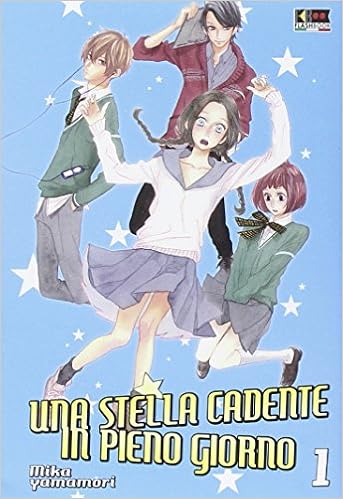
Una stella cadente in pieno giorno/Daytime Shooting Star

http://ecx.images-amazon.com/images/I/513G3iDycbL._SX341_BO1,204,203,200_.jpg
"Una stella cadente in pieno giorno" (Hirunaka No Ryuusei) è uno shoujo manga scritto e disegnato da Yamamori Mika, pubblicato dalla Shueisha sulla rivista Margaret dal 2011 al 2014 e raccolto in 12 volumetti, che in Italia sono stati pubblicati dalla FlashBook (che però pare non pubblicherà lo speciale tredicesimo volume).
La protagonista è Suzume Yosano, una quindicenne che, a causa degli impegni lavorativi del padre, deve trasferirsi dalla profonda campagna giapponese a Tokyo, per vivere da suo zio. Tra fraintendimenti, nuovi amici e nuovi nemici, Suzume finirà per innamorarsi nientemeno che del suo professore.
Nonostante in genere io detesti le storie in cui una ragazza si innamora di un suo insegnante, ho deciso di leggere questa serie grazie alla recensione di Claire, che pure non ama il genere e ha finito per apprezzarla. In effetti la storia d'amore nasce in maniera piuttosto naturale ed è trattata in maniera quasi realistica, anche se non mancano le situazioni improbabili tipiche di tanti manga (svenimenti, gite in cui due dei personaggi cadono in un burrone e così via). Contribuisce all'originalità del manga anche la protagonista campagnola, spesso espansiva ai limiti della maleducazione, fanatica del pesce e quindi di sushi e acquari, mangiona (ma magrissima), ai limiti della sciatteria (ma bella). Anche gli altri personaggi sono ben caratterizzati, tranne il ragazzo che si innamora di Suzume, che ho trovato un po' piatto (senza nemmeno avere tragiche storie alle spalle a giustificarlo). Peccato però che, a parte la tripletta protagonista e, in parte, la migliore amica, gli altri personaggi restino molto sullo sfondo. L'autrice ha creato un paio di storie extra per compensare, ma si sente qualche lacuna in quella principale.
Peccato, perché quella principale, dopo un inizio vivace e interessante, si affloscia nel solito ammasso di paranoie dei protagonisti che cercano di capire e gestire i propri sentimenti. Anche il finale, che avrebbe potuto essere piuttosto interessante, finisce per risultare irrealistico e quasi sotto tono.
Lo stile di disegno non è particolarmente originale, ma è appropriato al genere e io l'ho trovato gradevole e ben fatto.
In conclusione l'ho trovato un manga di medio livello, che avrebbe potuto essere bello, nei limiti di un genere classico, se avesse puntato di più sui personaggi secondari e di meno sulle paranoie di quelli principali.

http://ecx.images-amazon.com/images/I/51fevCoEJjL._SX328_BO1,204,203,200_.jpg
"Daytime Shooting Star" (Hirunaka No Ryuusei) is a shoujo manga written and illustrated by Yamamori Mika, published by Shueisha on the magazine Margaret from 2011 to 2014 and collected in 12 volumes.
The protagonist is Suzume Yosano, a 15 years old girl who, because of the work commitments of her father, has to move from the deep Japanese countryside to Tokyo to live with her uncle. Among misunderstandings, new friends and new enemies, Suzume will eventually fall in love with no other than her professor.
Although I usually hate the stories in which a girl falls in love with her teacher, I decided to read this series thanks to the review by Claire, who doesn't not like the genre too but has come to appreciate this title. In fact the love story developes rather naturally way and is treated in an almost realistic way, but there are also the improbable situations typical of many manga (people fainting, trips in which two of the characters fall into a ravine, and so on). To the originality of the manga contributes also the proragonist, a country bumpkin, often expansive to the limits of rudeness, fanatical of fish and so of sushi and Aquariums too, with a great appetite (but skinny), a bit sloppy (but beautiful). The other characters are well characterized too, except for the guy who falls for Suzume, which I found a little flat (without even having tragic stories to justify it). Too bad that, apart from the three characters involved in the main love story and, in part, the best friend of the protagonist, the other characters remain much in the background. The author created a few extra stories to compensate, but you can feel some gaps in the main one.
Too bad, because the main story, after a lively and interesting start, collapses in the usual cluster of paranoia of the protagonists, who seek to understand and manage their feelings. Even the ending, which could have been quite interesting, is unrealistic and almost subdued.
The drawing style is not particularly original, but it is appropriate to the genre, and I found it pleasant and well done.
Finally I found it a medium level manga, which might have been good, within the limits of a classic genre, if the author developed the secondary characters more and the paranoia of the main ones less.

mercoledì 16 marzo 2016

Cartoomix 2016

Lo scorso sabato io e la Pelosa Metà siamo andati a Cartoomix, la fiera del fumetto che si tiene annualmente a Milano a marzo.
Lo scorso anno ci ero passata solo velocemente perché avevo passato gran parte della giornata al vicino Hobby Show, la fiera dell'hobbistica che in genere si tiene in concomitanza. Nonostante questo mi era piaciuta e avevo fatto qualche bell'acquisto.
Quest'anno invece è andata al contrario: l'Hobby Show ha rimesso il biglietto d'ingresso a pagamento, per cui l'ho snobbato a favore di Cartoomix. Speravo di trovare qualche gadget di "Zootropolis" o qualche nuovo fumetto interessante. Però non ho trovato niente di speciale e mi sono stancata tantissimo. Ho comprato solo "Ritratto dell'eroe da giovane", un numero di Pk che avevo perso. Anche il mio piano di farmi autografare dagli autori "Il Porto Proibito" è andato in fumo quando, a metà della fila lentissima, mi è venuto un mal di schiena piuttosto forte e ho deciso di lasciar perdere. Forse sto diventando troppo vecchia per queste cose...
La giornata è stata salvata dall'aver visto degli amici che non incontravo da un pezzo e dall'altissima qualità dei cosplay (a cui purtroppo le mie foto non rendono giustizia).

Last Saturda my Hairy Half and I went to Cartoomix, the comic fair held annually in Milan in March.
Last year we visited it only quickly because I spent most of the day at the nearby Hobby Show, the hobby fair which usually is held at the samen time. Despite that I liked it and I did some good purchases.
This year, it was the opposite: I didn't go to Hobby Show because it had an entrance fee again, fso I only wento to Cartoomix. I was hoping to find some "Zootropia" gadget or some exciting new comic. But I didn't find anything special, and I got really tired. I bought only an issue of Pk that I had lost. Even my plan to get the authors of  "Il Porto Proibito" to autograph my copy went up in smoke when, halfway through the slow queque, my back started to hurt and I decided to leave. Maybe I'm getting too old for these things...
The day was saved by seeing friends I didn'n meet from a lot of time and by the very high quality of the cosplays (to which unfortunately my photos don't give justice).

venerdì 12 febbraio 2016

Ore Monogatari (+ inspired brooch)

Visto che fra pochissimo è San Valentino, oggi vi parlerò dell'ultimo manga romantico che mi ha appassionato, "Ore Monogatari" (letteralmente "la mia storia").
Qualche tempo fa Claire ha pubblicato sul suo blog, "Dipendenza da Shoujo", un post sui titoli vincitori del presigioso 61° Shogakukan Manga Award. Mi ha incuriosito abbastanza da andare a cercare le scan dei vincitori delle varie categorie per capire se potevano interessarmi. Avevo intenzione di dare solo una sfogliatina sperando in un'uscita italiana dei titoli di mio gusto, ma, nonostante normalmente io cerchi di evitare i fumetti ancora in corso per paura che si rivelino lunghissimi o che mi deludano proprio sul finale, ho finito per divorare tutte le scan del manga vincitore della categoria shoujo, "Ore Monogatari".
Questo manga è scritto da Kazune Kawahara e disegnato da Aruko. La pubblicazione è iniziata nel 2011 su Bessatsu Margaret Sister e poi è passata sulla testata Bessatsu Margaret, sempre di proprietà della Shūeisha. Ne è stato tratto un anime, realizzato dalla Madhouse e trasmesso in Giappone nel 2015, anno in cui è uscito anche un film live action ispirato alla serie.
Il protagonista per una volta è un ragazzo, e che ragazzo: Takeo Gōda, altezza sui due metri, peso oltre i 100 chili. Takeo grazie al suo fisico è bravissimo negli sport, ma un po' per il suo aspetto e un po' per il suo carattere ingenuotto, le ragazze che gli piacciono finiscono sempre per innamorarsi del suo bellissimo migliore amico, Makoto Sunakawa.
Un giorno però, Takeo salva una ragazza da un molestatore in metropolitana e lei vuole ringraziarlo a tutti i costi con un dolce fatto in casa. E' forse l'inizio di qualcosa di nuovo?
Guardato a mente fredda questo fumetto non è un capolavoro: i personaggi sono improbabilmente buoni e abbondano le situazioni inverosimili tipiche di tanti manga (incendi, personaggi che cadono in un burrone e si perdono nel bosco e così via). In più ho trovato abbastanza politically scorrect fondare l'elemento comico sul fatto che una ragazza si innamori di un ragazzo brutto. Non hanno forse tutti il diritto di essere amati indipendentemente dal loro fisico?
Anche il disegno, pur carino, secondo me non è eccellente.
Eppure "Ore Monogatari" ha una dolcezza e una freschezza che lo rendono divertente, romantico e a tratti commovente.
Non resta che sperare che le autrici non sfruttino il successo allungando troppo la storia e che siano capaci di concluderla in maniera altrettanto valida.

As very soon it is Valentine's Day, today I will talk about the last shoujo manga I fell in love with, "Ore Monogatari" (literally "my story").
Some time ago Claire posted on her blog, "Dipendenza da Shoujo", a post about the titles that won the prestigious 61st Shogakukan Manga Award. I was intrigued enough to search for the scan of the winners of the different categories to see if they could interest me. I intended to leaf through them hoping for Italian release of the titles I liked more, but despite I normally try to avoid ongoing comics  fearing that going on they may disappoint me, I ended up devouring all scans of the winner of the shoujo manga section, "Ore Monogatari".
This manga is written by Kazune Kawahara and illustrated by Aruko. The publication began in 2011 on Bessatsu Sister Margaret and then passed on the magazine Bessatsu Margaret, also owned by Shueisha. It was made into an anime series, produced by Madhouse and broadcasted in Japan in 2015, a year in witch was also released a live action film based on the series.
The hero for once is a boy, and not a common one: Takeo Gōda, about two meters tall, weighing over 100 pounds. Thanks to his physique Takeo is very good at sports, but a bit for his appearance and a bit for his naive nature, the girls he likes always end up falling in love with his handsome best friend, Makoto Sunakawa.
But one day, Takeo saves a girl from a molester on the subway and she really wants to thank him with a homemade cake. May it be the beginning of something new?
Shutting down the emotions, this comic is not a masterpiece: the characters are improbably good and there are a lot of unlikely situations typical of many manga (fires, characters that fall into a ravine and get lost in the woods and so on). Plus I found quite politically scorrect to base the comic element on the idea that a girl may fall in love with an ugly boy. Doesn't everyone have the right to be loved regardless of their appearence?
Even the drawings, while cute, in my opinion aren't excellent.
Yet "Monogatari Hours" has a sweetness and freshness that makes it fun, romantic and moving at times.
We can only hope that the authors won't exploit it's success lenghtening the story too much and will able to end it in an equally valid way.

Questo fumetto mi ha appassionato così tanto che ho finito per cucirmi una spilla ispirata a quella che Takeo regala alla sua amata Yamato. Riguardandola in realtà non è così simile, quindi probabilmente solo io capirò la citazione, ma mi piace molto quindi non importa. E' stata anche la prima volta che ho usato il nastro con gli animaletti che ho comprato in Giappone.

I liked this comic so much that I ended up sewing a brooch inspired by the one Takeo gives to his beloved Yamato. Looking at both together, they aren't is so similar, so probably only I will understand the quote, but I like it a lot so it does not matter. It was also the first time I used the animals ribbon that I bought in Japan.

martedì 5 gennaio 2016

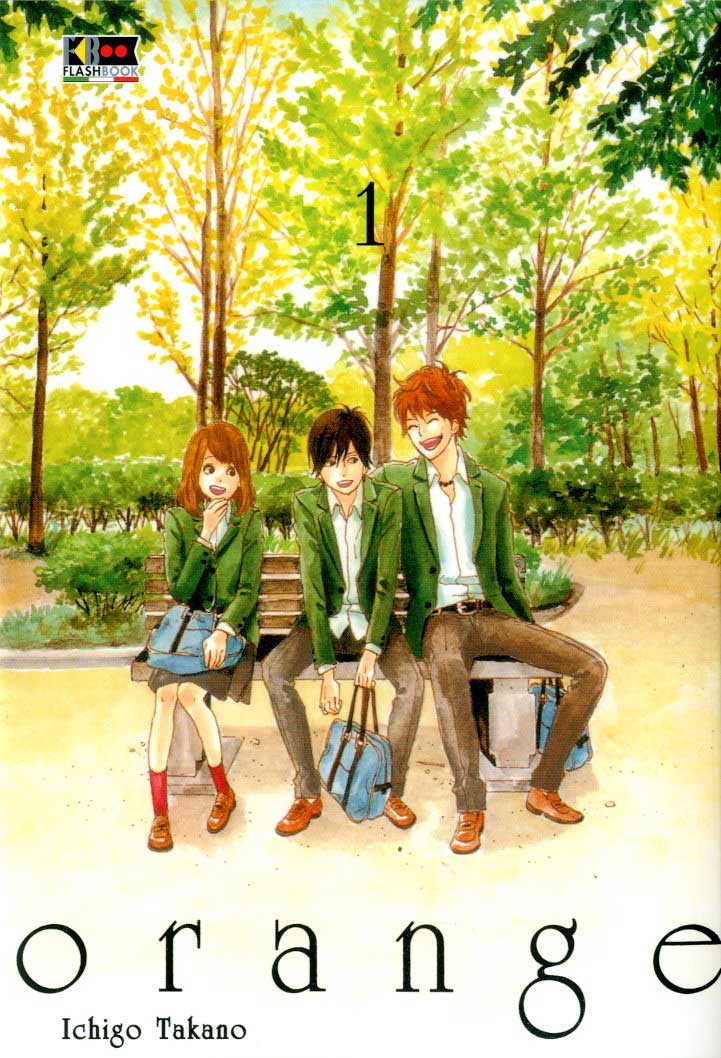
Orange (Ichigo Takano)


"Orange" è un manga di Ichigo Takano edito dal 2012 su Bessatsu Margaret e poi, dopo un'interruzione di più di un anno (l'autrice voleva abbandonare la carriera di fumettista), su Futabasha dal 2014 al 2015. E' stato raccolto in cinque volumetti. In madrepatria ha riscosso un discreto successo e nel 2015 ne è stato tratto un film live action.
Naho, la liceale diciassettenne protagonista di questo manga, riceve una lettera dalla sé stessa di dieci anni nel futuro. La lettera descrive perfettamente gli avvenimenti della giornata prima che avvengano, fra cui il trasferimento nella classe di Naho di un nuovo studente, Kakeru, e prega la ragazza di seguire i suoi consigli per evitare di avere rimpianti in seguito, ma soprattutto per salvare Kakeru, che nel futuro da cui viene la lettera sarà morto.
La storia è molto coinvolgente a causa del mistero della lettera e della corsa contro il tempo per salvare Kakeru, che la trasforma quasi in un thriller. Per il resto è un classico shojo scolastico e anzi, le parti romantiche sono di un'ingenuità quasi imbarazzante tenendo conto dell'età dei protagonisti.
Per l'espediente della lettera Takano tenta una spiegazione scientificamente plausibile, cosa che ho apprezzato molto visto che spesso i fumetti giapponesi lasciano senza spiegazione (o con spiegazioni campate per aria) anche elementi molto rilevanti per la trama.
Naho, Takeru e Suwa, il migliore amico di Naho, sono personaggi a tutto tondo, dotati di spessore e umanità, mentre gli altri tre membri del gruppetto sono poco approfonditi.
I disegni sono interessanti, i personaggi hanno corpi molto magri, piedi piccoli e tratti del volto più realistici della media dei manga (realismo che in alcuni casi diventa uno svantaggio, visto che alcune espressioni risultano poco convincenti). Gli sfondi sono pochi e abbastanza generici, ma nel contesto funzionano bene. In generale è uno stile abbastanza sobrio, in linea con l'atmosfera del manga.
In generale mi è piaciuto molto, ho trovato la storia originale e coinvolgente. Ha dei difetti, ma, dato il numero di volumi limitato, è stato fatto comunque un ottimo lavoro. Peraltro pur essendo uno shojo con situazioni di forte impatto emotivo, non punta sulla lacrima a tutti i costi, cosa che ho apprezzato. Lo consiglio senz'altro!
Ringrazio Claire che mi ha invogliato a leggerlo classificandolo come suo manga preferito del 2015.

"Orange" is a manga by Ichigo Takano published from 2012 on Bessatsu Margaret and then, after a break of more than a year (the author wanted to abandon her career as a comic artist), on Futabasha from 2014 to 2015. It been collected in five volumes. In its motherland it was quite a success and in 2015 it was made into a live action film.
Naho, the seventeen year old high school girl protagonist of this manga, receives a letter from herself ten years into the future. The letter describes perfectly the day's events before they occur, including the transfer of a new student, Kakeru, in Naho's class and pray the girl to follow its advices to avoid having regrets later on, but also to save Kakeru, that in the future in which is the letter was written will be dead.
The story is very engaging because of the mystery of the letter and the race against time to save Kakeru, that becomes almost a thriller. The rest is a classic scholastic shojo and indeed, the romantic parts are almost embarrassingly naive, considering the age of the protagonists.
Takano tries a scientifically plausible explanation for the letter, which I liked as often Japanese comics leave plot devices, also relevant ones, without explanation (or give airy-fairy explanations).
Naho, Takeru and Suwa, Naho's best friend, are well-rounded characters, with depth and humanity, while the other three members of the group remain a bit flat.
The drawings are interesting, the characters have very thin bodies, small feet, and facial features that are more realistic than in the average manga (this realism in some cases it becomes a disadvantage, as some expressions are not very convincing). There are few and fairly generic backgrounds, but in the context of work well. In general it is a quite sober style, fit for the atmosphere of the manga.
Overall I really enjoyed it, I found the story original and engaging. It has flaws, but given the limited number of volumes, was done a great job anyway. However, despite being a shojo with situations with strong emotional impact, it doesn't want to make the reader cry at all costs, which I liked. I would definitely recommend it!
Thanks Claire who enticed me to read this manga classifying it as her favorite 2015 manga.

giovedì 22 ottobre 2015

Yankee kun to Megane chan - Il teppista e la quattrocchi/Flunk Punk Rumble

Yankee-kun & Megane-chan manga.jpg
"Yankee-kun & Megane-chan - Il teppista e la quattrocchi" è un manga di Miki Yoshikawa serializzato dal 2006 al 2011 sul Weekly Shonen Magazine e raccolto in 23 volumi. Si tratta di una commedia scolastica demenziale.
Il protagonista è Daichi Shinagawa, un teppista che odia la scuola, ma viene perseguitato dalla rappresentante di classe, Hana Adachi, perché partecipi alle attività comuni della classe. Costretto a frequentare Hana suo malgrado, Daichi si rende conto che la ragazza è tutt'altro che la secchiona perfettina che pensava, anzi, ha pessimi voti, pochissimo buon senso, e un calcio mortale. Chi è davvero la sua compagna occhialuta?
Avevo già scritto a proposito di questo manga perché me ne ero innamorata per il suo umorismo demenziale. Arrivata alla fine dell'edizione italiana mi sento finalmente di dare un giudizio generale, e purtroppo non è positivo. La serie perde vitalità nella seconda parte, quando si concentra sulla scelta dell'università da parte dei protagonisti e sui conseguenti test d'ammissione. Rimane comunque abbastanza divertente e quindi si tiene duro in vista del gran finale prospettato quasi fin dall'inizio. Ma il finale è, mi si perdoni la citazione fantozziana, una cagata pazzesca. E se c'è una cosa che può rovinarmi un manga è un pessimo finale.
Non si salva nemmeno per il disegno, che è molto espressivo, ma è ancora immaturo (basta guardare gli occhiali).
Nonostante questo non ho cuore di sconsigliarlo del tutto, i primi numeri rimangono molto divertenti. Adesso ho iniziato a leggere un altra serie della stessa autrice, "Yamada-kun e le 7 streghe" che anche in questo caso è partito benissimo, spero in un finale più soddisfacente.

"Flunk Punk Rumble" (Yankee-kun & Megane-chan) is a manga by Miki Yoshikawa serialized from 2006 to 2011 in the Weekly Shonen Magazine and collected in 23 volumes. It is a wacky school comedy.
The protagonist is Daichi Shinagawa, a thug who hates school, but is harassed by the class representative, Hana Adachi, who wants him to participate in the common activities of the class. Forced to spend his time Hana despite himself, Daichi realizes that the girl is far from the prissy nerd he tought, in fact, she has very bad grades, very little common sense, and a deadly kick. Who his bespectacled classmate really is?
I already wrote about this manga because I was in love with its zany humor. As the italian edition just ended I finally feel I can give a general opinion, and unfortunately it is not positive. The series loses vitality in the second parte, when it focuses on the university choice of the protagonists and the consequent admission test. It is still quite fun and so I endured for the grand finale envisioned almost from the beginning. But the ending is really grotty. And if there's one thing that can ruin a manga is a very bad ending.
It isn't saved even by the drawings, that are very expressive, but still immature (just look at the glasses).
Despite this I have not the heart to advise against it as a whole, the first issues are very funny. Now I started reading another series of the same author, "Yamada-kun and the 7 witches" which has a a great start too, I hope for a more satisfying end.

venerdì 16 ottobre 2015

Liar Lily

Liar Lily (in originale Usotsuki Lily) è uno shojo manga di Ayumi Komura serializzato su Margaret dal 2009 al 2014 e raccolto in 17 volumi. E' una commedia scolastica in cui vengono affrontati temi importanti come il travestitismo, l'omosessualità e il cambio di genere. Ma non aspettatevi riflessioni profonde, si tratta di un fumetto comico molto leggero, che quindi risolve tutto in maniera semplicistica (ma simpatica) con un messaggio di accettazione e amore universale.
Questa è la storia: Hinata è una ragazza del liceo il cui sogno è vivere una stupenda storia d'amore. Ha anche un debole per i bei ragazzi, quindi quando En, un suo affascinante compagno di scuola che non aveva mai notato prima, le si dichiara, accetta immediatamente di mettersi con lui. Poco dopo però scopre perché non si ricordava di lui: En viene a scuola tutti i giorni vestito da donna!
I personaggi, anche quelli marginali, sono improbabili, basta parlare del ragazzo che vive in cosplay da samurai e intorno a cui ruotano sempre petali di ciliegio, o della ragazza con una mini tigre sempre sulla spalla. Anche la gestione del tempo nel fumetto è particolare, infatti i personaggi continuano a rivivere lo stesso anno scolastico (ma ne sono consapevoli). Scelte del genere, ovviamente, sbilanciano il manga verso un tipo di umorismo assurdo, anche se ci sono (pochissime) parti più serie e realistiche.
La trama piuttosto che essere lineare è episodica, e a mio parere il manga funziona molto meglio nelle parti brevi, come le strip, che spesso sono divertentissime, piuttosto che in quelle lunghe.
Non essendoci una vera struttura narrativa, Liar Lily cede alla tentazione di buttare dentro nuovi personaggi con nuove trame giusto per riuscire a pubblicare qualche altro volume. Si tratta di personaggi sempre più marginali, come il collega della madre assente di uno dei personaggi, la sorella di un personaggio secondario e così via. Soprattutto per questo ho avuto la sensazione che il tutto fosse tirato troppo per le lunghe e che avrebbe potuto essere un prodotto migliore con qualche taglio. Eppure i personaggi nella loro assurdità hanno un non so che di profondamente umano che spinge ad affezionarsi alle loro vicende.
In definitiva si tratta di un manga particolare, ma abbastanza rappezzato a livello di trama, che però ho trovato a tratti molto divertente. Lo consiglio come lettura leggera senza troppe pretese.

Liar Lily (original title: Usotsuki Lily) is a shojo manga by Ayumi Komura serialized in Margaret from 2009 to 2014 and collected in 17 volumes. It's a school comedy in which are discusses topics such as cross-dressing, homosexuality and gender change. But do not expect deep reflections, it is a very light comic, so it solves everything in a simplistic (but nice) way with a message of universal love and acceptance.
This is the story: Hinata is a high school girl whose dream is to live a beautiful love story. She also has a weakness for hot guys, so when En, a handsome schoolmate of hers who she had never noticed before, declares his love for her, she immediately agrees to go out with him. Shortly after, she discovers why she did not remember him: En every day comes to school dressed as a woman!
The characters, even the marginal ones, are unlikely, it suffices to mention the guy living in Samurai cosplay around who there are always cherry blossoms, or the girl with a small tiger always on her shoulder. The management of time in the comic is peculiar too, as the characters continue to live the same school year over and over (but are aware of it). Choices like these, of course, bring the manga towards a kind of absurd humor, although there are (very few) more serious and realistic parts.
The plot is episodic rather than linear, and in my opinion the manga works much better in the short episodes, like the strips, which are often hilarious, rather than in the long ones.
As there is no real narrative structure, Liar Lily surrender to the temptation to throw in new characters with new stories just to be able to publish some other volume. They are increasingly marginal characters, such as a collegue of the absent mother of one of the characters, the sister of a minor character, and so on. Especially for this reason I had the feeling that it could have been a better product with a few cuts. Yet the characters in their absurdity have something profoundly human that drive to become attached to their stories.
Ultimately it is a particular manga, in my opinion very funny in some parts, but quite patchy in terms of plot. I recommend it as light unpretentious reading.

giovedì 15 ottobre 2015

Fare shopping dell'usato a Tokyo/Thrifting in Tokyo

A Tokyo i vestiti sono costosi, in particolare se si vogliono comprare capi interessanti di marche locali. Una soluzione è comprare vestiti usati, visto che ci sono moltissimi negozi che li vendono a prezzi molto più bassi. Il prezzo più basso che ho trovato per un capo usato è 300¥, ma in genere i capi più economici costano intorno ai 1000¥ (circa 8€). Le scarpe tendono a costare tanto anche usate.
Ecco una lista di luoghi dove trovare negozi dell'usato con diversi stili e diversi prezzi. Se volete contribuire aggiungendo suggerimenti nei commenti siete i benvenuti!

Shimokitazawa, poco lontano da Shibuya, è un quartiere famoso per la sua atmosfera rilassata, i musicisti di strada, i localini e caffè, e i negozi di vestiti usati che vendono principalmente capi hippie (fra cui cose discutibili come le magliette tie-dye).
Ragla Magla è un negozio che vende vestiti usati su questo stile a 990¥, che per il Giappone è un ottimo prezzo, ma ho trovato la selezione poco interessante e alcuni capi erano rovinati.
Altri negozi dell'usato (che però non ho visitato) sono Shimokita Garage Department, una sorta di mercatino delle pulci decorato da murales vicino all'uscita nord della stazione, e Don Don, un negozio che ogni mercoledì fa sconti radicali. I prezzi di Don Don partono da 100¥, ma alcune cose di marca hanno prezzi iniziali piuttosto alti.

In Tokyo clothes are expensive, especially if you want to buy interesting local brands clothes. One solution is to buy used clothes, as there are many shops that sell them at much lower prices. The lowest price I found for an used piece of clothing is 300¥, but generally the cheaper ones cost around 1,000¥ (about  €). The shoes tend to cost much even used.
Here is a list of places where to find thrift stores with different styles and different prices. If you want to contribute leaving suggestions in the comments you are most welcome!

Shimokitazawa, not far from Shibuya, is a neighborhood known for its relaxed atmosphere, the street musicians, the small clubs and cafes, and its thrift stores selling mainly hippie clothes (including questionable things like tie-dye T-shirts).
Ragla Magla is a this kind of thrift store and sells a lot of clothes for 990¥, which for Japan is a great price, but I found the selection not so interesting and some clothes were ruined.
Other thrift shops of the neightbourhood (that I have not visited) are Shimokita Garage Department, a sort of flea market decorated with murals near to the north exit of the station, and Don Don, a shop that every Wednesday does radical reductions.Don Don prices start from 100¥, but some things have high initial prices.

A mio parere il negozio dell'usato più interessante del quartiere è Grand Bazaar. A Shimokitazawa ce ne sono due sedi Grand Bazaar Mega Store e Super Grand Bazaar. Noi siamo stati al primo, che  ha tre piani. Al piano terra vende abiti usati di grandi marche come Ne-nét, al secondo vestiti da uomo e al terzo marche lolita e otome, fra cui Emily Temple Cute, Jane Marple, Metamorphose, Angelic Pretty, Victorian Maiden e molte altre. Ovviamente visto che i prezzi di partenza sono molto alti, molti abiti di marca non costano poco anche usati, ma si possono trovare grandi occasioni.
Da quel che ho capito, Super Grand Bazaar vende abiti uomo e donna di grandi marche, ma non ha la sezione otome e lolita.

In my opinion the most interesting thrift shop of the neighborhood is Grand Bazaar. In Shimokitazawa there are two branches: Grand Bazaar Mega Store and Super Grand Bazaar. We visited the first, which has three floors. On the ground floor are sold used clothes of big brands such as Ne-Net, on the second men's clothing and on the third clothes of lolita and otome brands, including Emily Temple Cute, Jane Marple, Metamorphose, Angelic Pretty, Victorian Maiden and many more. Obviously as that the starting prices are very high, many brand clothes do not come cheap also used, but you can find great bargains.
From what I understand, Super Grand Bazaar sells brand clothes for men and women, but does not have the otome and lolita section.

A Ueno, alla fine del secondo ramo del mercato di Ameyoko c'è una sede di Mode Off, un negozio dell'usato molto fornito con merce per tutte le tasche. Frugando bene si trovano anche capi di grandi marche come Ne-nét. Il negozio di Ameyoko ha 4 piani, di cui uno dedicato agli abiti da uomo.
Un'altra sede di Mode Off si trova a Koenji, all'uscita sud della stazione.

In Ueno, at the end of the Ameyoko market there is a branch of Off Mode, a well stocked thrift store with clothes for all budgets. For people who search there are also clothes of major brands such as Ne-Net. The Ameyoko shop has 4 floors, including one dedicated to menswear.
In Koenji, at the south exit of the station, there is another branch of Mode Off.

Sul lato nord della stazione di Koenji si trova una galleria commerciale coperta con vari negozi dell'usato piuttosto costosi, di cui alcuni in stile hippie e molti in stile vintage americano.
Il negozio che mi è piaciuto di più della galleria è stato 7 Sevens, che da quel che ho capito vende vestiti sia nuovi sia usati. La merce è molto più particolare e alla moda rispetto agli altri negozi dell'usato in cui sono stata.

On the north side of the station of Koenji there is a covered shopping street with various quite expensive thrift shops, of which some are hippie and many vintage-american style.
The shop that I liked most in the gallery was 7 Sevens, which, from what I understand, sells both new and used clothing. The goods are much more edgy and fashionable than in the other thrift shops I visited.

Uscendo dalla via commerciale si arriva in una stradina piena zeppa di negozi dell'usato che vendono merce vintage con un tocco romantico. Si trovano molti abiti e gonnelline, tanto pizzo, camicette e così via. I prezzi in genere sono bassi, molti negozi hanno abiti sui 1000¥ e anche meno. Alcuni vendono anche capi fatto a mano, che giustamente però costano di più.
Ho visitato molti negozi che mi sono piaciuti, ma ho fatto acquisti solo da Steady-1, che all'esterno aveva una selezione di vestiti economici molto carini, e all'interno un mix di capi più costosi e fatti a mano.

Leaving the shopping street you arrive in a narrow street packed with stores selling vintage clothes with a romantic touch. There are many dresses and skirts, a lot of lace, blouses and so on. The prices generally are low, many stores have clothes for 1,000¥ or less. Some also sell handmade clothing, that obviously cost more.
I visited many shops that I liked, but I made purchases only from Steady-1, that outside had a very nice selection of cheap clothes, and inside a mix of more expensive and handmade clothing.

Ad Harajuku si trova Nadia Flores en el Corazon, che vende abiti vintage molto pastellosi e colorati, ma ha prezzi abbastanza alti (meno che da Grand Bazaar, però). Molti capi sono d'importazione.
Un altro negozio dell'usato molto famoso (in cui non sono stata è Kinji), che si trova vicino all'incrocio fra Meiji Dori e Omotesando, andando in direzione di Takeshita Dori. È enorme, la maggior parte degli articoli sono sui 1000¥ ed è molto amato da alcune celebrità dello streetstyle giapponese.
Su Meiji dori c’è anche Mirror Fashion, un negozio dell’usato molto economico (in cui non sono stata).

In Harajuku there is Nadia Flores en el Corazon, which sells very colorful kawaii vintage clothes, but is a bit pricey (less than Grand Bazaar, though). Many are imported.
Another very famous thrift store (where I have not been) is Kinji, which is located near the intersection of Meiji Dori and Omotesando, going in the direction of Takeshita Dori. It's huge, most of the articles are about 1000¥ and is loved by many japanese streetstyle celebrities.
On Meiji dori there is also Mirror Fashion, a very cheap thrift store (that I didn't visit).

A Tokyo ci sono molti mercatini che vendono oggettistica di seconda mano. A Ochanomizu ogni tanto ci sono dei mercatini dell’usato nelle vie che arrivano alla stazione e anche nel parco Yoyoji, vicino ad Harajuku, ci sono spesso mercati dell'antiquariato.
Ma i più interessanti sono quelli dei templi, dove si può trovare merce tipicamente giapponese, come kimono e ceramiche, a prezzi molto bassi.
Ecco due indirizzi a cui controllare la programmazione di questi eventi prima del vostro viaggio:

In Tokyo there are many markets that sell second-hand objects. In Ochanomizu sometimes there are flea markets in the streets near the station and in Yoyoji park, near Harajuku, there are often antique markets.
But the most interesting are the temple markets, where you can find typically Japanese merchandise, as kimonos and ceramics, at very low prices.
Here are two links where to control the scheduling of these events before your trip:
http://tokyocheapo.com/shopping-2/fashion/top-tokyo-flea-markets/
http://www.jnto.go.jp/eng/arrange/travel/practical/kottou.html

Quando si parla di shoping dell'usato in Giappone non bisogna dimenticare Mandarake e Lashinbang, due famose catene di negozi dell'usato che vendono anime, manga, videogiochi, CD di canzoni di anime, modellini vari, cosplay e molto altro. Per un turista i Mandarake più facilmente accessibili a Tokyo sono quelli di Nakano, Shibuya, Akihabara e Ikebukuro. Il Mandarake di Akihabara è in un grande palazzo nero con moltissimi piani divisi per tema.

When it comes to the thrift shoping in Japan you should not forget Mandarake and Lashinbang, two famous chains of thrift stores selling anime, manga, video games, CDs of anime songs, action figures, cosplay and more. For a tourist the most easily accessible Mandarake branches in Tokyo are those in Nakano, Shibuya, Akihabara and Ikebukuro. Mandarake Akihabara is a tall black building with many themes floors.

martedì 13 ottobre 2015

Japan 12/9/15: leaving Japan

La mattina della partenza ci svegliamo prestissimo per andare in aereoporto. Faccio colazione con un onigiri e il mio amato caffelatte all'acero e castagna, che mi manca già.
Mentre andiamo a Narita c'è un terremoto e il treno si ferma qualche secondo, ma noi non ci accorgiamo di niente, lo scopriremo solo in Italia anche se si tratta di una scossa molto forte che causa 15 feriti.
Restituiamo la Pasmo, la carta dei mezzi pubblici, alle apposite macchinette, passiamo i controlli e arriviamo nella zona duty free. Ne approfittiamo per fare le ultime spese. Io compro il primo numero di un manga che mi sta appassionando, Shokugeki no Soma, e tre riviste, Seda, Nonno e Liniere. Zipper e Kera sono introvabili, in compenso con Liniere ottengo in regalo una carinissima borsa dei Moomin, passando in poco più di una settimana da zero a due. Prendiamo anche i Tokyo Banana, dei dolci che abbiamo letto essere il souvenir tradizionale di Tokyo, ma che abbiamo trovato solo in aereoporto.
Dopo le compere decidiamo di approfittare dei cambiavalute, che hanno una buona tariffa, per convertire in euro gli yen avanzati. Senza accorgercene facciamo tardi e ci chiamano al megafono, che vergogna!


The morning of the departure we wake up early to go to the airport. I have breakfast with one onigiri and my loved maple and chestnut latte, I miss it already.
As we go to Narita there is an earthquake and the train stops a few seconds, but we do not notice anything, we'll find out only in Italy although it is a very strong one and 15 people where injuried.
We return the Pasmo, the public transport card, at the provided machines, we pass the checks and arrive in the duty free zone. We take this opportunity to do the last shopping. I buy the first issue of a manga that I love, Food Wars: Shokugeki no Soma, and three magazines, Seda, Nonno and Liniere. I can't find Zipper and Kera, on the other hand with Liniere I get a cute Moomin gift bag, passing in just over a week, from zero to two. We also buy Tokyo Banana, some sweets we read were the traditional souvenirs of Tokyo, but we found them only at the airport.
After our shopping we decid to take advantage of the money changers, who have a good rate, to convert the leftover yen into euro. Without realizing it, it gets late and we are called through the megaphone, so embarassing!

Il lunghissimo viaggio fino a Istanbul scorre tutto sommato abbastanza liscio. L'aereo ha più spazio per le gambe rispetto all'andata, il cibo della Turkish è piuttosto buono e riesco a vedere ben tre film: Racconto d'inverno (così così, troppo sdolcinato), The book of life (molto carino) e il nuovissimo Inside Out (molto carino, ma non mi è piaciuto quanto speravo).

The long journey to Istanbul goes quite smoothly. This plane has more legroom than the first, the Turkish Airlines food is pretty good and I manage to watch three films: The Winter's Tale (so-so, too mushy), The book of life (very nice) and the new Inside Out (very nice, but I did not like it as I hoped).

Arrivati all'aeroporto di Istanbul vediamo passare tantissimi signori vestiti solo di asciugamani bianchi, ma per quanto li osserviamo non riusciamo a capire perché vadano in giro con questa strana tenuta.
Dopo poco tempo che siamo lì, il disastro: molti voli sono stati ritardati o cancellati e il nostro è quello con il ritardo peggiore, è stato posticipato di quasi sette ore! Insieme all'attesa prevista di quattro ore sono quasi undici ore. Le passiamo in uno stato di disperata rassegnazione, tentando di dormicchiare sulle panchine dell'aeroporto. La nostra unica consolazione sono i Tokyo Banana, che si rivelano essere molto buoni.

Arriving at the Istanbul airport we see many gentlemen passing dressed only in white towels, but we can not understand why they go around with this strange attire.
After a short time, the disaster: many flights were delayed or canceled, and ours is the one with the worst delay, it has been postponed by nearly seven hours! Together with the scheduled four hours wait they become nearly eleven hours. We spend them into a state of hopeless resignation, trying to doze on the airport benches. Our only consolation are the Tokyo Banana, which turn out to be very good.

Invece di arrivare a Milano la sera del 12 e farci una bella dormita, arriviamo il 13 mattina, e ora che siamo a casa non ha nemmeno più senso andare a letto per non rischiare di rimanere con gli orari sballati, visto che il giorno dopo ricominciamo a lavorare.
Siamo stanchi morti e provati dal viaggio, e dobbiamo ancora fare la lavatrice, la spesa e recuperare la macchina che abbiamo lasciato alla suocera. Ci consoliamo mangiando un'ottima pizza napoletana (corredando da antipasti fritti) da Solo Pizza Cafè.

Instead of arriving in Milan on the 12th evening and have a good night's sleep, we arrive on the 13th morning, and by the time we arrive home it does not even make sense to go to bed in order to avoid worsening the jet leg, because the next day we have to go to work.
We were dead tired and worn out by the trip, and we still have to do the laundry, grocery shopping and retrieve the car we left to my mother-in-law. We console ourselves eating a great pizza (and fried appetizers) at Solo Pizza Cafe.

Japan travel journal 12/9/15: leaving Japan

Related Posts Plugin for WordPress, Blogger...