Visualizzazione post con etichetta politica. Mostra tutti i post

lunedì 21 agosto 2017

Viaggio di nozze in cina: 6 e 7 giugno, arrivo a Shanghai/Honeymoon in China: 6th and 7th of June, arrive in Shanghai

Oggi partiamo da Xi'an. Prendiamo la metropolitana fino alla stazione di Xi'an North.
Il viaggio fino a Shanghai, anche se prendiamo un comodo treno proiettile, dura più di 7 ore. Dormicchiamo, mangiamo un po' di schifezze che abbiamo comprato al supermercato il giorno prima e io ne approfitto per aggiornare il diario di viaggio.
Arriviamo alla stazione di Shanghai Hongquiao che sono già le 17:30 e ci mettiamo un'oretta ad arrivare con la linea 10 della metropolitana alla fermata di Nanjing East Road, vicino a cui si trova il nostro ostello. La mappa che ci eravamo salvati sul cellulare è misteriosamente scomparsa, ma riusciamo a trovare la via giusta grazie alle indicazioni che mi sono scritta.
Una volta lì ci mettiamo un sacco per trovare l'ostello, e intanto inizia a realizzare. Finalmente realizziamo che il Shanghai Blue Mountain Bund Youth Hostel si trova dentro all'albergone in fondo alla via. Entrando, scopriamo che ad ogni piano corrisponde un albergo o un ostello con target diversi.
La ragazza in cassa è gentilissima e parla un inglese perfetto. La hall sembra proprio quella di un ostello, come quello di Xi'an che ci ha un po' deluso. I corridoi interni ricordano più un ospedale psichiatrico, claustrofobici, bui e asettici. Ho il terrore che il nostro alloggio si riveli una fregatura.
E invece la nostra stanza è bellissima. E' completa di tutto, asciugamani, bollitore con tazze e bustine di cortesia, ciabatte, sapone, shampoo, prese perfettamente funzionanti, divano... ma la vera sorpresa è lo stilosissimo angolo bar con vista sui grattacieli del Bund.
Usciamo per cercare un ristorante di ravioli ripieni di brodo, una specialità di Shanghai, consigliato dalla Lonely, Jiājiā Soup Dumplings in 90 Huanghe Rd. Lo troviamo chiuso per ristrutturazione e finiamo per prendere qualcosa a caso dal supermercato che mangiamo in albergo prima di crollare.

Today we leave Xi'an. We take the subway to Xi'an North Station.
The trip to Shanghai, although we take a confortable bullet train, lasts more than 7 hours. We sleep, eat some junk food we bought at the supermarket the day before and I update mu travel diary.
We arrive at Shanghai Hongquiao Station, that is already 17:30 and in another hour, taking Metro Line 10, we arrive at Nanjing East Road, near which our hostel is located. The map we had saved on our cell phones has mysteriously disappeared, but we find the right street thanks to the directions I wrote down.
Once there we have troubles finding hostel, and in the meantime it begins to rain. Finally, we realize that the Shanghai Blue Mountain Bund Youth Hostel is inside the hotel at the bottom of the street. Entering, we find that to every floor corresponds a different hostel or hostel.
The girl at the desk is very kind and speaks a perfect English. The lobby looks like a hostel like the one in Xi'an, and it makes us a little disappointed. The interior corridors are more like a psychiatric hospital, claustrophobic, dark and aseptic. I fear that our accommodation will turn out awful.
But our room is beautiful. It's complete with everything, towels, kettle with cups and courtesy teabags, slippers, soap, shampoo, perfectly working sockets, sofa... but the real surprise is the stylish bar corner overlooking the skyscrapers of the Bund.
We go out to find a restaurant specialized in soup dumplings, a Shanghai specialty, recommended by Lonely Planet, Jiājiā Soup Dumplings in 90 Huanghe Rd. We find it closed for renovation and we end up buying something random at a supermarket to eat at the hotel before collapsing.

La mattina seguente, per prima cosa, dobbiamo risolvere i nostri problemi economici: abbiamo quasi finito i soldi ritirati a Pechino e ce ne siamo fatti mandare altri, però dobbiamo andare in banca a ritirarli e abbiamo un po' paura, visto che l'ultima volta abbiamo dovuto girare sei banche.
Per fortuna Nanjing Road (o forse tutta Shanghai) è un ambiente internazionale e riusciamo a ritirarli al primo colpo, anche se ci mettiamo un'ora.
Prendiamo la metropolitana e scendiamo a Henan Zhonglu per andare ai giardini Yuyuan. Incappiamo in una serie di negozietti e nell'annesso, enorme bazaar. La prima cosa che faccio con la mia ritrovata ricchezza è comprare uno zaino peloso a forma di panda 40 CNY.

The next morning, first of all, we have to solve our economic problems: the money withdrawn in Beijing has almost ended, we were sent more, but we have to go to the bank to withdraw it and we are a little afraid, since the last time we had to go to six banks.
Fortunately, Nanjing Road (or perhaps all of Shanghai) is an international environment and we manage to do it at the first shot, even it takes an hour.
We take the subway and get off at Henan Zhonglu to go to the Yuyuan Gardens. We see a series of shops and the huge bazaar. The first thing I do with my newlyfound wealth is to buy a fluffy panda bakpack for 40 CNY.

Proseguiamo con i giardini Yuyuan (40 CNY). Furono realizzati nel 1577 da Pan Yunduan, un funzionario della dinastia Ming, per i suoi anziani genitori. I giardini hanno subito molti cambiamenti, prima lasciati andare in rovina dalla famiglia, poi ristrutturati nel 1760 da alcuni ricchi commercianti, gravemente danneggiati durante la guerra dell'oppio del diciannovesimo secolo, e infine restaurati e aperti al pubblico nel 1961.
Sembrano usciti da una favola: contengono padiglioni con arredi stupendi (mi innamoro di una serie di mobili rustici che imitano dei rami), sale, laghetti pieni di ninfee, rocce bucherellate, fiumicelli. Le porte dei muri che separano le varie aree sono tutte diverse, di forme bizzarre. Troviamo anche un tetto sormontato da un drago che sembra il compimento di Casa Batllo di Gaudì. E ovunque è pieno di animali, dalle carpe giganti e tartarughe negli stagni a uccelli di vario tipo.
Sono i giardini che mi sono piaciuti di più in tutta la Cina.

We arrive to the Yuyuan Gardens (40 CNY). They were built in 1577 by Pan Yunduan, an official of the Ming Dynasty, for his elderly parents. The gardens underwent many changes, as first they were left in ruins by the family, then restored in 1760 by a group of wealthy merchants, seriously damaged during the ninteenth century opium war and finally restored and opened to the public in 1961.
They seem to have come out of a fairy tale: they have pavilions with gorgeous furnishings (I fall in love with a set of rustic furniture that imitates branches), halls, ponds full of water lilies, rocks, riverbanks. The doors of the walls that separate the various areas all have different, bizarre shapes. We also find a roof surmounted by a dragon that looks like the completion of Gaudi's Casa Batllo. And everywhere is full of animals, giant carps and turtles in the ponds and birds of various kinds.
These are the gardens I liked most in China.

Per mangiare decidiamo di tornare al bazaar. Scegliamo a caso un self service, sperando di riuscire ad assaggiare tanti piatti diversi senza spendere troppo. In realtà spendiamo molto più che in tutti i precedenti ristoranti, 210 CNY in due. In parte è perché i self service non sono poi così economici, ma soprattutto perché a Shanghai e dintorni il cibo costa molto più che al nord.
Io pretendo i ravioli con il brodo che sogno dalla notte prima, che trovo in versione al granchio e con cannuccia (interessantissimo il brodo, non male il raviolo) e un altro tipo di ravioli leggermente fritti, molto buoni. La Pelosa Metà prende del pollo fritto, del riso e un piatto gigantesco di fantastici involtini primavera che ci dividiamo (sì, esistono anche in Cina, ma il ripieno è diverso da quello che ho provato in Italia, più cremoso e con un sapore diverso).

We decide to go back to the bazaar to eat. We randomly choose a self service, hoping to be able to taste many different dishes without spending too much. We actually spend a lot more than in all the previous restaurants, 210 CNY in two. In part, it is because self-services in China are not so cheap, but mainly because in Shanghai and it's area, food costs far more than in the north.
I demand the soup dumplings I dream of from the night before, which I find in a version with crab and a straw (the soup was really interesting, the dumpling not bad) and another kind of slightly fried dumplings, very good. The Hairy Half takes fried chicken, rice and a giant plate of fantastic spring rolls that we share (yes, they exist in China, but the filling is different from the one I tried in Italy, creamy and with a different flavor).

Lungo la strada per la meta successiva, entro in un paio di negozietti e poi finiamo in un supermercato dove passiamo un sacco di tempo.
Compriamo qualche regalino, qualche snack, una serie di tè da portare a casa, e io compro anche un portachiavi e una ciotola a tema coniglio, che è il mio segno zodiacale cinese (purtroppo ho rotto la ciotola appena tornata in Italia).

Along the way to the next destination, I enter a couple of shops and then end up in a supermarket where we spend a lot of time.
We buy some gift, some snacks, a set of teas to take home, and I also buy a rabbit keyring and a rabbit bowl, as it is my Chinese zodiac sign (unfortunately I broke the bowl when I was just arrived in Italy).

Abbiamo speso un sacco di soldi e perso quasi tutto il pomeriggio, corriamo alla prossima meta, la concessione francese. Ormai quasi tutti i musei che volevo visitare sono chiusi (chiudono prestissimo anche in una grande città internazionale come Shanghai, fra le 16:30 e le 18).
Successivamente alle guerre dell'Oppio di metà XIX secolo, il governo cinese fu costretto a cedere parte del suo territorio alle potenze europee vincitrici. A Shanghai in particolare, al di fuori delle mura della città cinese, vennero concesse aree di territorio a varie potenze, aree che sono poi tornate a far parte della Cina in vari successivi periodi storici. Nella città moderna ancora rimangono tracce delle più longeve. La più famosa è quella francese, restituita alla Cina solo nel 1943 e poi diventata una delle aree più cool della città anche grazie ai suoi edifici di stampo europeo.
Vaghiamo fra i viali alberati, fra le case basse uscite dall'800 europeo, all'ombra dei grattacieli, fra negozi artistoidi e pop e negozi di abbigliamento lussuosi, incontrando almeno un paio di caffetterie italiane (e vari vestiti con stampe a pasta).

We spent a lot of money and lost most of the afternoon, so we run to our next visit, the French concession. By now, almost all the museums I wanted to visit are closed (they close very early altrough they are in a major international city like Shanghai, between 16:30 and 18).
After the mid-nineteenth-century opium wars, Chinese government was forced to surrender part of its territory to the winning European powers. In Shanghai in particular, outside the walls of the Chinese city, were granted areas to various powers, areas which were returned to China in various historical periods. In the modern city still remain traces of some of them. The most famous is the French one, returned to China only in 1943 and that became one of the coolest areas in the city thanks to its European-like buildings.
We wander through the tree-lined avenues, among the low houses dating back to the 1800's, in the shade of skyscrapers, between artist shops and and luxurious clothing stores, meeting at least a couple of Italian cafes (and various pasta patterned dresses).

Andiamo a vedere da fuori il palazzo al n°76 di Xingye Road dove, nel 1921, è stato fondato il Partito Comunista Cinese (PCC). Anche questo palazzo è in stile occidentale, cosa che trovo un po' buffa.
Vediamo da fuori anche una chiesa ortodossa al n°55 di in Xinle Road, costruita a causa dell'enorme afflusso di lavoratori russi negli anni '30.

We go to see from the outside the palace at No. 76 of Xingye Road where in 1921 was founded the Chinese Communist Party (PCC). This palace is also in Western style, which I find a bit funny.
We also see an orthodox church at No. 55 of Xinle Road, built due to the huge immigration of Russian workers in the 1930s.

Proseguiamo con una passeggiata nel parco Fuxin, famoso per la sua statua di Marx ed Engels, per il giardino delle rose e per i vecchietti impegnati in balli, thai chi e karaoke, che però, quando passiamo noi, non ci sono.

We continue with a walk in Fuxin Park, famous for its Marx and Engels statues, for the roses garden, and for old people who dance, practise thai chi and karaoke there, but don't meet any of them.


Arriviamo infine alla Moller House, una palazzo scandinavo, con tanto di guglie gotiche, costruito negli anni 50 dall'industriale svedese Eric Moller.
A questo edificio è legata una leggenda: si dice che un indovino avesse predetto a Moller che, una volta completato, sarebbe successa una tragedia e che quindi lo svedese avesse allungato i tempi di costruzione. In effetti Moller morì in un incidente aereo solo 5 anni dopo il completamento del palazzo.
Oggi la Moller House è diventata un albergo, l'Héngshān Moller Villa, con l'aggiunta di un edificio costruito nello stesso stile.
E' un peccato non potersi avvicinare più di tanto perché sembra uscita da una favola, con i tetti a punta e i giardini geometrici. In mezzo ai grattacieli è completamente incongrua, mentre starebbe bene a Disneylend.

Finally, we arrive at Moller House, a Scandinavian palace with Gothic pinnacles built in the 1950s by the Swedish industrialist Eric Moller.
A legend is linked to this building: it is said that a fortune teller foretold Moller that, oncethe it was completed, a tragedy would have taken place and that so the Swede lengthened the construction times. In fact Moller died in an air crash just five years after the completion of the palace.
Today Moller House has become a hotel, the Héngshān Moller Villa, with the addition of a building built in the same style.
It's a shame not being allowed to get closer to it because it seems to have come out of a fairy tale, with pointed rooftops and geometric gardens. In the middle of the skyscrapers it is completely incongruous, while it would look at home in Disneylend.

Passiamo all'ostello a rinfrescarci e andiamo a cena da Shanghai Grandmother, in 70 Fuzhou Road, un ristorante molto consigliato dalla Lonley.
E' molto bello, anzi, ha un'atmosfera quasi troppo chic per i nostri gusti, ed è molto affollato, tanto che dobbiamo aspettare un po' per avere un tavolo, nonostante sia costituito da due grandi stanze su due piani.
Scegliamo anguille di fiume caramellate (molto buone all'inizio, stucchevoli dopo un po'), melanzane alla brace in salsa di soia, e gamberi agrodolci con ananas. Beviamo un tè. Paghiamo un totale di 165 CNY. Il pasto non è stato affatto male, ma siamo un po' delusi, abbiamo mangiato meglio in posti più economici. La cucina di Shanghai è molto più costosa e meno saporita di quella del nord, con una tendenza a sapori dolciastri.

We go to the hostel to freshen up and we go to dinner at Shanghai Grandmother, in 70 Fuzhou Road, a restaurant very recommended by Lonley Planet.
It is very nice, in fact, it has an atmosphere almost too chic for our tastes, and it is very crowded, so we have to wait a bit for a table although the place is made up of two really large rooms.
We choose caramelized river eels (very good at first, a bit sickening after a while), grilled eggplants in soy sauce, and sweet and sour shrimps with pineapple. We drink a tea. We pay a total of 165 CNY. The meal was not bad at all, but we're a bit disappointed, we ate better in cheaper places. Shanghai's cuisine is much more expensive and less tasty than the northern one, with a tendency to sweeter flavors.

Concludiamo la giornata alla grande con una passeggiata sul Bund (un termine anglo-indiano per l'argine di una riva fangoso), il lungofiume. Sulla nostra riva si trovano edifici art deco e neoclassici costruiti nei primi anni del XX secolo, simbolo del potere straniero sulla città.
Sull'altra si trova Pǔdōng, l'area più moderna di Shanghai, traboccante di grattacieli futuristici dalle forme improbabili, che ospitano le più potenti banche e società di trading della città, oltre a ristoranti e negozi alla moda e ad alberghi lussuosissimi. Lo spettacolo di luci è stupendo. Fa impressione pensare che prima del 1992 su quella riva non c'era niente, è uno dei segni tangibili del boom economico cinese.
La riva è affollatissima, piena di bancarelle e di turisti cinesi che, oltre ai grattacieli, fotografano noi, come fossimo animali esotici. Da quel che ci è stato detto, gli abitanti di Shanghai che vogliono ammirare i grattacieli lo fanno direttamente da alcuni punti panoramici di Pudong ignoti ai turisti.
Incontriamo anche varie spose vestite di rosso che, come da tradizione cinese, fanno il servizio fotografico del matrimonio prima di sposarsi, in modo da non costringere gli ospiti ad attendere il pranzo (non un'idea stupida, in effetti).

We end the day with a walk on the Bund (an Anglo-Indian word for the bank of a muddy shore), the riverfront. On our shore there are art deco and neoclassical buildings built in the early twentieth century, a symbol of foreign power over the city.
On the other is Pǔdōng, the most modern area of ​​Shanghai, overflowing with unlikely futuristic skyscrapers, hosting the city's most powerful banks and trading companies, as well as trendy restaurants and fashion stores and luxurious hotels. The lights show is gorgeous. It is impressive to think that before 1992 on that shore there was nothing, it is one of the tangible signs of the Chinese economic boom.
The shore is crowded, filled with stalls and Chinese tourists who, in addition to skyscrapers, photograph us as we were exotic animals. From what we have been told, people from Shanghai who want to admire skyscrapers do it directly from some of Pudong's scenic spots unknown to tourists.
We also meet various brides dressed in red, who, as it goes in Chinese tradition, make wedding photographic services before getting married, to avoid forcing guests to wait for lunch (in fact, not a stupid idea).

giovedì 29 giugno 2017

Azalea rossa/Red Azalea (Anchee Min)

"Azalea Rossa" (Red Azalea) è l'autobiografia della scrittrice cinese Anchee Min, pubblicata nel 1992  in inglese negli  Stati Uniti, dove l'autrice è emigrata.
Il libro è diviso in tre parti: l'infanzia negli anni '60, il trasferimento in un campo di lavoro (in quel periodo era politica dello stato trasferire gli studenti dalle città a lavorare in campagna) e la sua formazione come attrice cinematografica per film di propaganda durante la Rivoluzione Culturale, dopo essere stata selezionata all'interno del campo da un talent scout. Il libro si conclude effettivamente con la morte di Mao nel '96, anche se l'autrice fa un brevissimo resoconto degli anni successivi fino al suo trasferimento negli Stati Uniti nel 1984.
Ognuno dei tre periodi vede un momento di conflitto con l'ideologia maoista in cui la protagonista a inizio libro crede ciecamente. Ma Anchee Min non ha remore nemmeno a parlare della sua vita sentimentale e sessuale, ed è particolarmente interessante la storia della sua relazione con una compagna del campo di lavoro in un mondo in cui non è considerata problematica tanto l'omosessualità quanto il sesso in generale.
La scrittura è scorrevole e coinvolgente, con qualche tono da romanzo rosa e un certo erotismo che sono il marchio di fabbrica dell'autrice. Una curiosità è che i nomi dei personaggi sono stati volutamente tradotti dall'autrice tenendo conto del significato e non della pronuncia. Quello che è davvero avvincente però sono i fatti narrati e soprattutto la descrizione di una Cina di cui l'Occidente di quegli anni sapeva molto poco e che ormai è scomparsa.
Questa autobiografia si situa più o meno nello stesso periodo in cui è ambientata quella di Jung Chang, "Cigni selvatici: tre figlie della Cina" (trovate la mia recensione qui), che ha solo cinque anni più di Anchee Min. Nonostante la quasi contemporaneità e la condivisione di molti episodi storici rilevanti, i due libri sono piuttosto diversi e quindi è ancora più interessante leggerli entrambi a breve distanza.

"Red Azalea" is the autobiography of the Chinese writer Anchee Min, published in 1992 in English in the United States, where the author emigrated.
The book is divided into three parts: her childhood in the 1960s, her transfer to a labor camp (at that time it was a state policy to transfer students from cities to work in the countryside) and her formation as an actress for propaganda movies during the Cultural Revolution, after being selected in the countryside by a talent scout. The book de facto ends with the death of Mao in 1996, although the author makes a brief account of the following years until her transfer to the United States in 1984.
Each of the three periods sees a moment of conflict with the Maoist ideology in which the protagonist at the beginning of the book believes blindly. But Anchee Min does not even hesitate to talk about her sexual and emotional life, and the story of her relationship with a girl at the labor camp is particularly interesting in a world where homosexuality is not considered as problematic as sex in general.
The writing style is fluid and engaging, with some romantic novel tones and some eroticism that are the trademark of the author. One curiosity is that the names of the characters have been deliberately translated by the author, taking into account the meaning and not the pronunciation. What is really addictive, however, are the facts told and, above all, the description of a China about which the West of those years knew very little and which has now disappeared.
This autobiography is more or less set in the same period as the one by Jung Chang, "Wild Swans: Three Daughters of China" (you can find my review here), who is only five years older than Anchee Min. While they share many relevant historical episodes, the two books are quite different so it is even more interesting to read them both in short order.

venerdì 9 giugno 2017

Sulla via lattea/On the milky road

"Sulla via lattea" (On the milky road) è un film del 2017 del regista serbo Emir Kusturica.
Il film è basato sul cortometraggio "Our Life", scritto a quattro mani dal regista Emir Kusturica e da sua figlia Dunja.
La storia è ambientata durante la guerra dei Balcani. Il protagonista è Kostia (interpretato dallo stesso Kusturica), un uomo che i traumi della guerra hanno trasformato in una sorta di Don Chisciotte che trasporta il latte da una fattoria alla trincea cavalcando un mulo e seguito da un falco ammaestrato, reggendo un ombrello aperto per ripararsi dalle pallottole.
Alla fattoria ci sono un'anziana signora, Milena, una bellissima ex ginnasta innamorata di Kostia, e un orologio napoleonico gigante con il vizio di ferire chi cerca di sistemarlo.
Milena è la sorella di un eroe di guerra e contrabbanda da un campo profughi alla fattoria una moglie per il fratello, una bella donna di origine italiana con una sanguinosa storia alle spalle.
Naturalmente Kostia e la nuova arrivata si innamorano con conseguenze disastrose.
La prima parte ricorda lo stile festoso e tragicomico di "Underground" e "Gatto nero, gatto bianco" (fra l'altro all'interno del film il regista si cita più volte). La seconda parte è una vera e propria fiaba, con magia, animali che aiutano i protagonisti, cattivi senza sfumature e immagini fortemente simboliche.
In generale l'ho trovato un bel film (Kusturica è uno dei miei registi preferiti e la sua scelta di trattare temi impegnati con toni surreali mi piace sempre moltissimo). Purtroppo lo stacco fra le due parti si sente. Ho anche trovato pessima l'idea di dare la parte della protagonista a Monica Bellucci, che secondo me è un'attrice scarsa, considerando anche che la recitazione di Sloboda Micalovic (Milena) invece era ottima.
Se vi piace il regista, vale comunque la pena di recuperare questo film: è girato benissimo e ci sono scene difficili da dimenticare (l'orologio e le oche che fanno il bagno nel sangue, per citarne solo due). Tuttavia non è uno dei migliori di Kusturica.

"On the Milky Road" is a 2017 movie by the Serbian director Emir Kusturica.
The film is based on the short film "Our Life", written by Kusturica with his daughter Dunja.
The story is set during the Balkan War. The protagonist is Kostia (played by Kusturica himself), a man who war trauma transformed into a kind of Don Quixote that carries milk from a farm to the trench by riding a mule and followed by a learned hawk, holding an umbrella open to take cover from the bullets.
At the farm there are an old lady, Milena, a beautiful ex-gymnast in love with Kostia, and a giant Napoleonic clock with the vice to hurt anyone trying to fix it.
Milena is the sister of a war hero and smugls from a refugee camp to the farm a wife for her brother, a beautiful woman of Italian origin with a bloody story behind her.
Of course, Kostia and the newcomer fall in love with disastrous consequences.
The first part remembers the festive and tragicomic style of "Underground" and "Black Cat, White Cat" (among the other things in the film the director cites his old works several times). The second part is a real fairy tale, with magic, animals that help the protagonists, bad guys with no depth and highly symbolic images.
In general, I found it a nice movie (Kusturica is one of my favorite directors and I always love his choice of dealing with hard themes using surreal tones). Unfortunately, the difference between the two parts is a bit too much. I also found the idea of ​​giving the part of the female lead to Monica Bellucci a bad idea, because I think she is a poor actress, moreover considering that the acting of Sloboda Micalovic (Milena) was excellent.
If you like the filmmaker, it's still worth recovering this movie: it's beautiful and there are scenes difficult to forget (the clock and the geese bathing in blood, to name just two). However, it is not one of Kusturica's best.

venerdì 26 maggio 2017

L'altro volto della speranza/The other side of the hope

http://pad.mymovies.it/filmclub/2016/07/097/locandinapg1.jpg
"L'altro volto della speranza" (Toivon tuolla puolen) è un film del 2016 del regista finlandese Aki Kaurismaki, famoso per i suoi film impegnati dedicati agli emarginati del mondo. Ho visto questo film perché mi era piaciuto molto "Miracolo a Le Havre", il primo film del regista a trattare il tema dei migranti.
"L'altro volto della speranza" segue le storie di due uomini: Khaled, un siriano appena giunto ad Helsinki dove ha presentato una domanda di asilo e Wilkström, un commesso viaggiatore che vende cravatte e camicie da uomo, che ha appena lasciato la moglie e sogna di aprire un ristorante. Le loro strade si incroceranno.
Il film è girato in maniera magistrale: alcune inquadrature sembrano quadri di Hopper e ci sono silenzi che valgono più di mille parole e piccoli tocchi da maestro (come il chitarrista con i bottoni a forma di chitarra).
La recitazione è ottima. Le musiche, tutte affidate a gruppi live, sono eccezionali, mi è venuta voglia di recuperare la colonna sonora.
In generale è un film molto triste (senza mai scadere nel patetico), ma ci sono dei momenti davvero esilaranti.
L'unica cosa che non mi ha convinto del tutto è il finale che lascia molto, forse troppo in sospeso.

"The Other Face of Hope" (Toivon tuolla puolen) is a 2016 film by the Finnish filmmaker Aki Kaurismaki, famous for his films dedicated to marginalized people. I watched this movie because I loved "Le Havre", the first movie of the director to deal with the issue of migrants.
"The Other Face of Hope" follows the stories of two men: Khaled, a Syrian man who just came to Helsinki where he filed an asylum application and Wilkström, a traveling salesman selling men's ties and shirts, who just left his wife and dreams of opening a restaurant. Their roads will cross.
The film is shot masterfully: some frames look like Hopper's paintings and there are silences worth more than a thousand words and awesome little touches (like a guitar player with guitar-shaped buttons).
The acting is great. The music, all entrusted to live bands, is exceptional, I'm keen to recover the soundtrack.
In general, it's a very sad movie (without ever going into the pathetic), but there are really hilarious moments.
The only thing I did not completely appreciate is the ending that leaves a lot, perhaps too much ,unconcluded.

venerdì 23 dicembre 2016

Captain Fantastic

Captain Fantastic poster.jpg
"Captain Fantastic" è un film statunitense del 2016 scritto e diretto da Matt Ross.
Parla di una famiglia, composta da un uomo, una donna e dai loro sei figli, che da dieci si è ritirata a vivere nella foresta conducendo una vita dura, ma intellettualmente ricca. In seguito ad una tragedia, la piccola tribù è costretta a compiere un viaggio e a confrontarsi con quel mondo che i genitori avevano voluto lasciarsi alle spalle.
Perché vederlo? Viggo Mortensen nudo. E questo dovrebbe bastarvi. E non nudo per un attimo, di schiena. Nudo da davanti per un periodo di tempo soddifacente.
Altri motivi per vedere questo film? Viggo Mortensen in maglietta bagnata, con la barba, senza barba, mentre scala una montagna, sotto una cascata... insomma questo film è una specie di calendario di Viggo.
Lasciando perdere l'ormone per un attimo, si tratta di un film stupendo, veramente ben fatto. La recitazione, la fotografia, i costumi, la regia, è tutto splendido.
Ma quello che colpisce lo spettatore come un maglio, in un equilibrio perfetto fra dramma e momenti di comicità, è il dilemma centrale sul giusto modo di allevare i figli. I sei ragazzi vengono cresciuti in modo da essere coltissimi, atletici e autosufficienti nella natura, ma vengono costantemente messi in pericolo e sono fondamentalmente ignoranti riguardo al mondo moderno, cosa che li isola dai loro coetanei. Il viaggio che sono costretti a compiere, costringe loro e il padre ad affrontare le problematiche e le potenzialità legate alla loro educazione, rimettere in discussione quanto appreso e crescere.
In questa operazione, Matt Ross riesce nel difficile compito di non schierarsi e mostrare luci e ombre dei vari personaggi e delle loro scelte.
Uno dei film imperdibili dell'anno, da vedere assolutamente.
Ringrazio la Bolla, la cui recensione mi ha convinto a correre al cinema a vedere questo capolavoro.

"Captain Fantastic" is a 2016 U.S.A. film written and directed by Matt Ross.
It's about a family consisting of a man, a woman and their six children, who withdrew for ten years to live in the forest, leading a hard, but intellectually rich life. Following a tragedy, the small tribe is forced on a journey and to confront that world that the parents had wanted to leave behind.
Why watching it? Viggo Mortensen in full nude. That should be enough. And not naked for a moment, from the back. Naked from the front for a satisfying period of time.
Other reasons to see this film? Viggo Mortensen in wet t-shirt, with a beard, without a beard, while climbing a mountain, under a waterfall... in short, this film is a kind of Viggo calendar.
Leaving the hormone aside for a moment, it is a wonderful film, really well done. The acting, photography, costumes, directing, it's all stunningly beautiful.
But what strikes the viewer like a hammer, in a perfect balance between drama and funny moments, is the central dilemma about the right way to raise children. The six boys are raised in order to be well-educated, self-sufficient in the wild and athletic, but are constantly endangered and are basically ignorant about the modern world, which isolates them from their peers. The journey they and their father have to make, forces them to face the problems and potentials related to their education, calling into question what they learnt and to grow.
In this, Matt Ross succeeds in the difficult task to not take sides and show the lights and shadows of the various characters and their choices.
One of the must-see movie of the year.

giovedì 9 giugno 2016

Pride

Pride poster.jpg
Pride è un film inglese del 2014 diretto da Matthew Warchus.
Racconta una storia vera, la fondazione da parte dell'attivista Mark Ashton del gruppo di supporto Lesbians and Gays Support the Miners (LGSM, "Lesbiche e Gay supportano i minatori") nel 1984. In quel periodo i minatori protestavano per le scelte politiche della premier Margaret Thatcher. L'idea di Ashton era che fossero vittime dello stesso sistema che opprimeva gay e lesbiche e che quindi lavoratori e persone omosessuali potessero sostenersi per rivendicare i loro diritti.
Il personaggio principale è il giovane universitario e fotografo amatoriale Joe Cooper, ma viene approfondita la psicologia di tutti i personaggi. Anche i più antipatici, anche quelli che compaiono meno, sono incredibilmente umani e interessanti e non si fa fatica ad empatizzare con loro.
La storia è raccontata in maniera brillante, con un ottimo ritmo e una buona alternanza fra momenti comici e drammatici. In più gli attori sono davvero bravi.
L'ho trovato un film stupendo e ammetto che sul finale mi sono commossa. Lo consiglio senz'altro.

Pridе (film 2014).png
Pride is a 2014 British film directed by Matthew Warchus.
It tells a true story, the founding of the group Lesbians and Gays Support the Miners (LGSM) in 1984 by the activist Mark Ashton. At that time the miners were protesting against Prime Minister Margaret Thatcher politics. Ashton's idea was that they were victims of the same system that oppressed gays and lesbians and therefore workers and gay people could support each others in claiming their rights.
The main character is the young university student and amateur photographer Joe Cooper, but the psychology of all the characters is examined in depth. Even the most obnoxious ones, even those who appear less, are incredibly human and interesting and easy to empathize with.
The story is told in a brilliant way, with a good rhythm and a good alternation between comic and dramatic moments. Moreover the actors are really good.
I found it a wonderful film and I admit that on the ending I was moved. I definitely recommend it.

mercoledì 15 luglio 2015

Girona: day 1

Martedì scorso sono andata a Girona, in Spagna, a pochi chilometri dalla Francia, accompagnando mio padre che andava lì per un convegno. Visto che a Girona pare non arrivino voli diretti, abbiamo volato con la compagnia spagnola low cost Vueling (un volo normale, senza problemi) fino all'aeroporto di El Prat a Barcellona e da lì siamo andati alla stazione dei treni di Barcelona Sans dove abbiamo preso il treno ad alta velocità per Girona. Speravo di vedere più panorama dal treno, ma spesso c'erano dei muretti ai lati dei binari.
Visto che siamo arrivati alle 14 passate e avevo una fame da lupi, la prima cosa che ho fatto è stata precipitarmi al supermercato e comprare un cartone di salmorejo che mi sono scolata al momento. Quanto mi era mancato!
Dopodiché siamo andati in albergo, che fortunatamente era a 10 minuti dalla stazione, abbiamo messo giù i bagagli e ci siamo rinfrescati.

Two Tuesdays ago I went to Girona, Spain, just a few kilometers from France, accompanying my father who was there for a convention. Since in Girona it seems direct flights don't arrive, we flew with Vueling, a low cost Spanish airline (normal flight, no problems), to the airport of El Prat in Barcelona and from there we went to the train station of Barcelona Sans where we took the high speed train to Girona. I was hoping to see more panorama from the train, but there were often stone walls on either side of the tracks.
Since we arrived at past 14 and I was famished, the first thing I did was to rush to the supermarket and buy a carton of salmorejo that I drained on the spot. How much I missed it!
Then we went to the hotel, which fortunately was 10 minutes from the station, we put down our luggage and we freshened up.

Poi abbiamo cominciato l'esplorazione di Girona! Questa città ha uno dei nuclei medievali meglio conservati d'Europa. La città vecchia racchiude tutte le principali attrattive turistiche, così ci siamo diretti lì. Dall'albergo ci abbiamo messo pochi minuti, passando per Plaça de la Independència, una piazza porticata in cui ci sono un monumento ai caduti della guerra napoleonica e molti locali dove mangiare. Nonostante fosse famosa noi non l'abbiamo trovata un granché, soprattutto a causa della parte centrale riempita con sabbia.
Per andare nella città medievale dobbiamo attraversare il fiume Onyar. Le sue acque sono pulitissime e popolate da pesci enormi. Il panorama delle casette colorate che si riflettono nel fiume, è uno dei più famosi di Girona, e a ragione! Gli stessi ponti poi sono un'attrazione turistica, soprattutto quello costruito da Eiffel e il vecchio ponte di pietra.

Then we began the exploration of Girona! This city has one of the best preserved medieval centers of Europe. The old town contains all the main tourist attractions, so we headed there. From the hotel it took us few minutes, passing through Plaça de la Independència, an arcaded square where there is a monument to those who died in the Napoleonic War and many restaurants. Despite being famous we didn't like it so much, primarily because of the sand filled center.
To go in the medieval town we had cross the river Onyar. Its waters were clean and populated by huge fishes. The panorama of colorful houses reflected in the river it is one of the most famous of Girona, and with good reasons! The same bridges are a tourist attraction, especially the one built by Eiffel and the old stone bridge.

La prima cosa che abbiamo visitato sono stati i vecchi bagni arabi, le terme usate durante la conquista musulmana, durata dal 711 al 785 (infatti in città si trovano pochissimi resti di questo periodo). Erano molto simili a tutte le terme musulmane medievali che ho visto in Andalusia, ma ne valeva la pena (anche perché il biglietto è costato 2€). In particolare c'era un lucernario molto bello.

The first thing we visited were the old Arab baths, the baths used during the Muslim conquest, lasting from 711 to 785 (in fact in the city are very few remnants of this period). They were very similar to all the Muslim medieval baths I've seen in Andalusia, but it was worth it (also because the ticket costed 2€). In particular there was a very nice skylight.

Dopodiché abbiamo visitato la chiesa di San Feliu. È imponente, con una facciata barocca che si raggiunge tramite una scalinata lunghissima e l'interno gotico. All'interno si trova la cappella di San Narciso, famoso per aver scacciato i francesi dalla città tramite l'apparizione miracolosa di mosche velenose. Infatti a Girona troverete molti souvenir a forma di mosca.
Ai piedi della scalinata principale, un po' spostata, si trova la riproduzione della Lleona, la colonna con la statua di una leonessa nell'atto di arrampicarcisi che è il simbolo della città (l'originale si trova al museo d'arte). Secondo la tradizione, prima di partire per un lungo viaggio, gli abitanti della città ne baciano il posteriore per assicurarsi il ritorno.

Then we visited San Feliu church. It is impressive, with a baroque facade whith a long staircase and a Gothic interior. Inside there is the chapel of San Narciso, famous for having driven the French from the city by the miraculous appearance of poisonous flies. In fact, in Girona you will find many fly themed souvenirs.
At the foot of the main staircase, a little displaced, there's the Lleona, a column with the statue of a lioness in the act of climbing it which is the symbol of the city (the original is in the art museum). According to tradition, before leaving for a long journey, the townspeople kiss its buttock in order to return home safely.

Subito dopo abbiamo visitato anche la cattedrale, che era molto vicina. È una chiesa gotica a navata unica, la più larga del mondo dopo quella di San Pietro a Roma e infatti l'ho trovata impressionante. Ha moltissime cappelle laterali per la maggior parte barocche, un organo a forma di scatola e un altare che è un capolavoro dell'oreficeria gotica. Vale la pena di prendere l'audioguida, inclusa nel biglietto (7€, include sia la cattedrale sia San Feliu).

Immediately after we visited the cathedral, which was very close. It is a Gothic church with a single nave, the largest in the world after St. Peter's in Rome and in fact I found it impressive. It has many side chapels, mostly Baroque, a box-shaped organ and an altar that is a masterpiece of Gothic architecture. It is worth taking the audio guide, included in the ticket (7€, includes both the cathedral and San Feliu).

Il chiostro romanico è notevolissimo, soprattutto per via dei capitelli istoriati. Varrebbe la pena di guardarseli uno a uno.

The Romanesque cloister is remarkable, especially because of the capitals decorated with legendary scenes. It would be worth to examine them one by one.

Ma quello che mi ha colpito di più è stato il museo del tesoro della cattedrale e in particolare questo bellissimo arazzo medievale in ottimo stato di conservazione che raffigura la creazione.

But what struck me most was the treasure of the cathedral and in particular this beautiful medieval tapestry in excellent condition depicting the creation of the world.

Andando in giro per la città mi ha colpito moltissimo come ci fossero bandiere catalane a quasi ogni finestra e spesso si trovassero cartelli sul tono "la Catalogna non è Spagna". A Girona il movimento indipendentista catalano è molto sentito e onestamente l'ho trovata una cosa un po' inquietante.

Going around in the city I was struck by the fact that there were Catalan flags in almost every window and often they were signs of the kind "Catalonia is not Spain". In Girona the Catalan independence movement is strongly felt and honestly I found it a bit disturbing.


La sera abbiamo mangiato al ristorante Torre Bonica, su invito di un collega di mio padre che vive a Girona ed ne è un habituè. È situato in una casa contadina tradizionale ristrutturata, molto bella, che spicca nella zona industriale esteticamente poco gradevole che lo circonda. La cena che ho mangiato lì è stata una delle più deliziose della mia vita.
Visto il tipo di ambiente non ho potuto fotografare i piatti, così ve li ho disegnati.
Prima il collega ha ordinato un po'di antipasti da dividersi, fra cui bruschette al pomodoro spagnole (in cui il pomodoro è sfregato sul pane), acciughe, prosciutto spagnolo, ceci con salsiccia, verdure alla brace, a cui la direzione ha aggiunto un mini gazpacho. Poi ognuno ha preso un secondo. Io ho chiesto il filetto di maiale con formaggio di capra, che era qualcosa di davvero splendido. Abbiamo innaffiato il tutto con vino prima bianco e poi rosso e io ho concluso con un sorbetto alla menta, che in fin dei conti era la portata meno notevole della cena.
Nonostante la mangiata non ho avuto nessun senso di pesantezza.
Anche se (per fortuna) non pagavo io, sono riuscita a guardare i prezzi. I piatti principali vanno dai 13 ai 20€ circa, quindi, a seconda della fame e delle bottiglie di vino ordinate credo si spenda dai 25€ in su.
Il locale è specializzato in cottura alla brace, che vale assolutamente la pena di provare. L'ambiente è rustico, ma non informale, soprattutto a causa dello stile del servizio, quindi è adatto anche a pranzi di lavoro e cene romantiche di livello.
Vi lascio il sito ufficiale, su cui potete anche consultare il menù (purtroppo senza prezzi) in catalano, spagnolo, inglese e francese: http://www.torrebonica.net/

The night we ate at the restaurant Torre Bonica, invited by a colleague of my father who lives in Girona and is a regular customer. It is located in a renovated traditional farmhouse, very beautiful, that stands out in the aesthetically displeasing industrial area surrounding it. The dinner I ate there was one of the most delicious of my life.
Given the kind of meeting I could not photograph the dishes, so I drew them.
To start the colleague ordered a some appetizers to share, including Spanish tomato bruschetta (in which the tomato is rubbed on bread), anchovies, Spanish ham, chickpeas with sausage, grilled vegetables, to which the management added a mini gazpacho. Then everyone took a main dish. I got pork tenderloin with goat cheese, which was something really awesome. We accompanied everything with white wine first and then red and I concluded with a mint sorbet, which was the less remarkable dish of this delicious dinner.
Despite the hearty meal I had no sense of heaviness afterwards.
Even though (thankfully) I did not pay, I was able to look at the prices. Main courses range from 13 to around 20€, so, depending on hunger and bottles of wine I think you may spend from 25 € up.
The restaurant specializes in grill cooking, which is definitely worth a try. The atmosphere is rustic, but not casual, especially because of the style of service, so it is also suitable for business lunches and elegant romantic dinners.
Here is he official website, where you can also read the menu (unfortunately without prices) in Catalan, Spanish, English and French: http://www.torrebonica.net/


L'ALBERGO/THE HOTEL
Abbiamo alloggiato all'Hotel Nord 1901, scelto perché c'era una convenzione particolare con il convegno. L'abbiamo trovato molto bello, moderno senza essere freddo e pulito. C'erano il wi-fi e anche una piccola piscina (che non abbiamo usato perché non ci sarebbe bastato il tempo). Il servizio era ottimo.
La nostra stanza era molto grande, con vista sul cortile interno, aria condizionata, tv, shampoo, bagnoschiuma e crema, phon, ciabatte, un set di asciugamani.
Nella nostra convenzione era inclusa la colazione a buffet, ottima e abbondantissima con cibi di qualità come la spremuta preparata al momento per ogni ospite.
Insomma, ne siamo stati molto contenti e lo consiglio.
Dal sito ho visto che il prezzo delle camere va dai 100 ai 160€ a seconda della tipologia e che la colazione costa 24€ (che, per quanto io l'abbia apprezzata, secondo me è troppo. Ci si può fare tranquillamente un pasto al ristorante).
Per ulteriori informazioni vi lascio il sito ufficiale: http://www.nord1901.com/

We stayed at the Hotel Nord 1901, chosen because there was a special agreement with the conference. We found it very nice, modern without being cold and clean. There were wi-fi and even a small pool (which we did not use because there wasn't enough time). The service was great.
Our room was very large, overlooking the inner courtyard, with air conditioning, TV, shampoo, shower gel and lotion, hair dryer, slippers, and a set of towels.
In our convention was included the buffet breakfast, excellent and abundant with quality foods such as juice freshly made for each guest.
In short, we were very happy and would recommend it.
From the site I saw that the price of the rooms ranges from 100 to 160€ depending on the type, and that the breakfast costs 24€ (which, though I appreciated it a lot, I think it's too much. You can easily eat a restaurant meal with that money).
For more information here is the official website: http://www.nord1901.com/

giovedì 2 luglio 2015

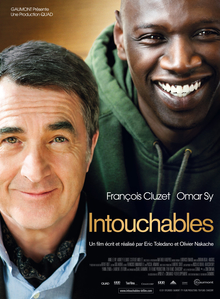
Quasi amici/Intouchables


"Quasi amici" (in originale "Intouchables") è un film francese del 2011 diretto da Olivier Nakache ed Éric Toledano.
Racconta il rapporto fra Philippe, ricchissimo tetraplegico, e Driss, il suo improbabile badante, assunto quasi per scherzo. Driss ha interessi diversissimi da quelli del suo datore di lavoro, si dimentica continuamente che è tetraplegico e fa battutacce sul suo handicap, ma proprio per questo, nonostante la preoccupazione di tutta la sua famiglia, è la ventata di aria fresca di cui Philippe aveva bisogno.
È un misto di dramma e commedia, pieno di gag improbabili sempre sull'orlo del politically scorrect e di tenerezza. Lo si può sospettare di volersi ingraziare lo spettatore con messaggi positivi sull'integrazione. Di sicuro vedendolo io ho pensato che i personaggi fossero un po' esagerati. Poi ho scoperto che è stato tratto da una storia vera, su cui è stato anche girato un documentario.

"Intouchables" is a 2011 French film directed by Olivier Nakache and Éric Toledano.
It's about the relationship between Philippe, a rich quadriplegic, and Driss, his unlikely caregiver, hired almost as a joke. Driss has very different interests from his employer, he constantly forgets that he is quadriplegic and jokes about his handicap, but exactly for this reasons, despite the concern of his whole family, he is the breath of fresh air that Philippe needed.
It is a mix of drama and comedy, full of unlikely gags always on the edge of political scorrectness and full of tenderness. You may suspect it of wanting to curry favor with the audience with positive messages about integration. When I watched it I thought the characters were a little exaggerated. Then I found out that it was based on a true story, which was also made into a documentary.

venerdì 13 febbraio 2015

Carta trasferibile e stampe (nerd) su magliette nere/Transfer paper and (nerd) prints on black tees

Avevo già usato varie volte la carta trasferibile per stampare su stoffa. Si stampa con la normale fotocopiatrice e poi si ritaglia e si stira per fissarla alla stoffa. Fino a questa settimana avevo usato solo quella di marca Epson trovata da Mediaworld per tessuti chiari. La mia esperienza non era stata completamente positiva: con lavaggi meno che delicatissimi la stampa tendeva a sbiadirsi e rovinarsi e quella sul vestito a cui tenevo di più ha iniziato anche a scollarsi.
Di recente ho comprato la carta trasferibile per tessuti scuri della Photo Paper Direct su Amazon per realizzare delle magliette per degli amici. Rispetto all'altro tipo l'immagine risulta al dritto su una pellicola gommosa da applicare con il calore e viene stampato anche il bianco. La resa, anche se un po'plasticosa come l'altra, mi è sembrata buona. Ho perfino provato a grattare via la pellicola e ha tenuto. Ovviamente non posso ancora dare responsi sul lungo periodo, ma ho trovato incoraggiante il fatto che sia indicato il lavaggio in lavatrice.

I already used several times transfer paper to print on fabric. You have to print with a normal printer and then cut out the print and iron it to the fabric to secure it. Until this week I had used only the Epson one for light fabrics I found at Mediaworld. My experience was not entirely positive: unless washed in the most delicate ways the print tend to fade and get ruined and on the dress I cared more about it also started to unstuck.
I recently bought the transfer paper for dark fabrics by Photo Paper Direct on Amazon to make T-shirts for some friends. Compared to the other type is the image doesn't have to be specular as it gets printed on a rubbery film you have to apply on fabric with heat. White gets also printed. The result, although a bit stiff as the other, looked good. I even tried to scrape off the film and it held. Obviously I can not yet give responses about the long run, but I found  encouraging that the instructions indicated to wash it in the washing machine.

Secondo me le stampe su magliette sono l'ideale per un regalo perché sono infinitamente personalizzabili a seconda del destinatario. Peraltro io ho sempre problemi a fare regali ai ragazzi e queste sono fra i pochi regali unisex.
La mia Pelosa Metà per due amici con cui gioca a Legend of 5 Rings (un gioco di ruolo ambientato in un Giappone immaginario), ha fatto delle magliette con i simboli dei clan a cui appartengono nel gioco.

In my opinion T-shirts are perfect for a gift because they are infinitely customizable depending on the recipient. I have always problems to choose gifts for adult males and these are among the few unisex gifts.
My Hairy Half made T-shirts  for two friends with whom he plays Legend of 5 Rings (a role playing game set in a fictional Japan), with the symbols of the clans they belong to in the game.

Per un altro amico invece abbiamo fatto una maglietta con Marx, Engels e Lenin con cappellini da party. L'immagine l'ho fatta io e, senza modestia, mi piace un sacco!

To another friend instead we made a shirt with Marx, Engels and Lenin with party hats. I made the image and, without modesty, I like it a lot!
Related Posts Plugin for WordPress, Blogger...